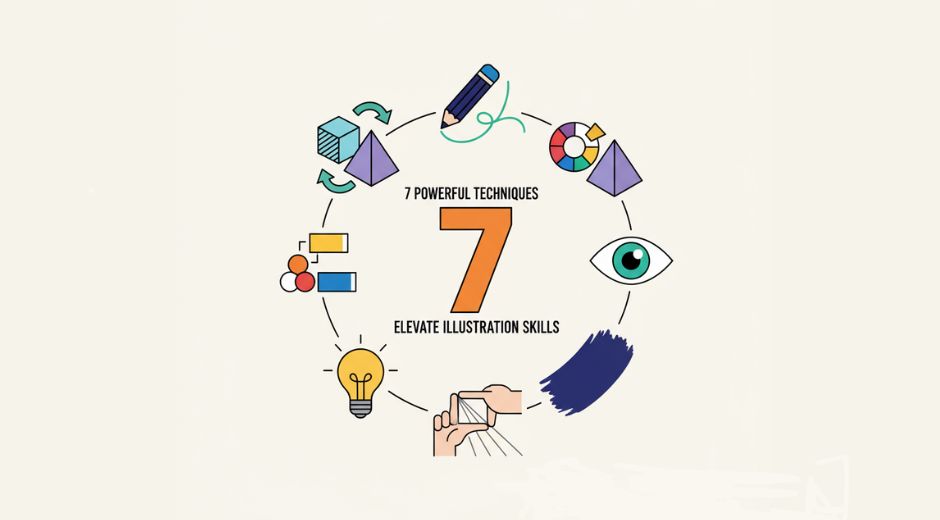
7 Powerful Techniques That Elevate Illustration Skills
Illustration is a field where imagination, skill, and thoughtful decision-making come together to form striking imagery. Whether digital or traditional, the craft requires exploration, patience, and a willingness to experiment with tools and methods. Over time, illustrators develop their own recognizable style, shaped by consistent practice and deliberate technique choices.
If you are seeking guidance, inspiration, or deeper design-focused topics, you can always explore helpful resources on MuseaTime.
Below are seven powerful techniques used by illustrators to elevate their skills and create stronger results.
1. Mastering Light and Shadow for Stronger Presence
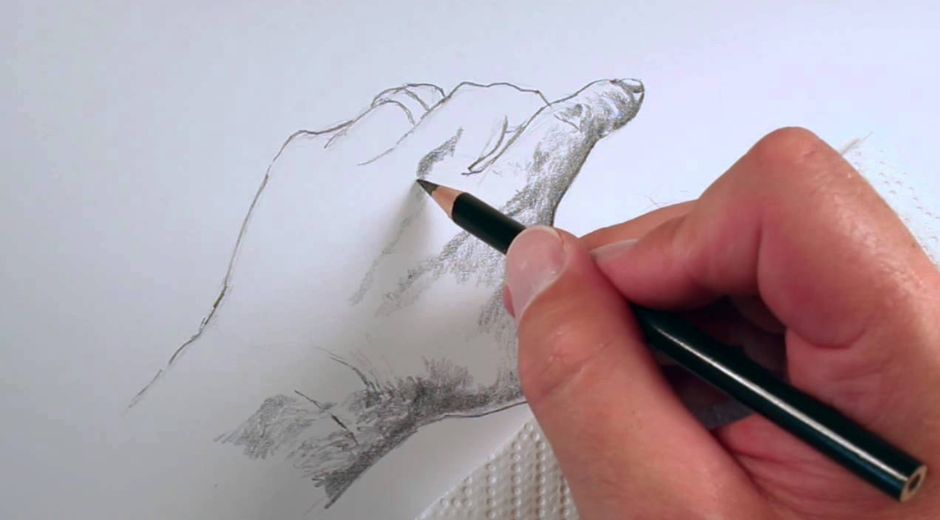
Light and shadow form the backbone of dimensionality in illustration. They influence depth, shape, and atmosphere. Understanding how light interacts with objects helps an illustrator create believable forms and compelling compositions without relying solely on outlines.
Key considerations include:
identifying primary light direction
using secondary light sources sparingly
balancing highlights and darker regions
studying how light behaves on different materials
Practicing these elements regularly helps build confidence and control.
2. Strengthening Silhouettes for Clear Readability
A strong silhouette ensures that your illustration remains recognizable even without interior details. This is especially important in character-focused or narrative-focused work.
A few helpful tactics include:
analyzing negative space
avoiding overly cluttered shapes
focusing on clear outer edges
checking designs in solid black for clarity
When a silhouette reads well, the entire illustration benefits from improved clarity and purposefulness.
3. Experimenting With Line Weight for Expression
Varying the weight of line work adds life, energy, and dimensionality to illustrations. It helps guide the viewer’s eye and improves the sense of depth.
Common approaches include:
thicker lines for areas closer to the viewer
lighter lines for areas in the background
bold outlines to emphasize key shapes
delicate internal marks to add subtle definition
Mastering this technique helps create illustrations that feel dynamic and engaging.
4. Studying Real-World References for Authenticity
Even the most imaginative illustrations draw strength from real-world observation. Studying references—objects, people, lighting, movement—helps illustrators understand forms more deeply.
Useful reference practices include:
photographing objects from multiple angles
observing how materials bend, fold, or reflect light
analyzing posture and anatomy
pausing videos to capture gestures
These observations help create more grounded and believable illustrations.
5. Exploring Color Relationships for Emotion and Impact
Color holds enormous power in illustration. It communicates mood, energy, warmth, and personality. Understanding how colors interact allows illustrators to guide viewers’ reactions and draw attention to focal points.
Effective approaches include:
using complementary shades for emphasis
experimenting with monochromatic palettes
shifting tones based on atmosphere
adding subtle gradients to soften transitions
Each color choice helps define the overall identity of an illustration.
6. Layering Techniques for Depth and Complexity
Layering is essential for building detailed and impactful illustrations. By separating background, mid-ground, and foreground elements, illustrators can achieve a sense of depth that feels intentional and immersive.
Digital tools make layering especially powerful:
grouping objects for easier edits
adjusting opacity for atmospheric effects
blending multiple textures or patterns
using overlays to unify color palettes
This technique allows for greater flexibility and refinement during the creation process.
7. Refining Details to Bring the Illustration to Life
Small details can define the final outcome of an illustration. Subtle additions—like hair strands, reflections on water, intricate patterns, or small accessories—turn a good piece into a polished one.
Useful detailing strategies include:
zooming in for micro-adjustments
checking edges for unwanted marks
ensuring consistency in lighting
adding highlights or minute reflections
These refinements help the illustration feel intentional and thoughtfully crafted.
For related lifestyle and creative fields, you can also explore guides on BeautyUpNest.
Why These Techniques Matter
Illustration is a skill that evolves through practice, experimentation, and continuous observation. These seven techniques offer accessible ways to improve style, strengthen fundamentals, and refine your artistic identity. Whether you are working digitally or traditionally, applying these methods will help you build confidence and produce more powerful results.
As you refine your craft, remember that growth happens through consistent effort—every sketch, every experiment, and every finished piece contributes to your skills and personal journey.
Inspiration Expression Eternity

Using Dynamic Contrast to Create Visual Interest

Color Harmony Principles Every Artist Should Know

Edge Control Techniques for Stronger Visual Impact