

Flow Lines in Art A Guide to Movement Rhythm and Visual Pathways
What Are Flow Lines and Why They Matter
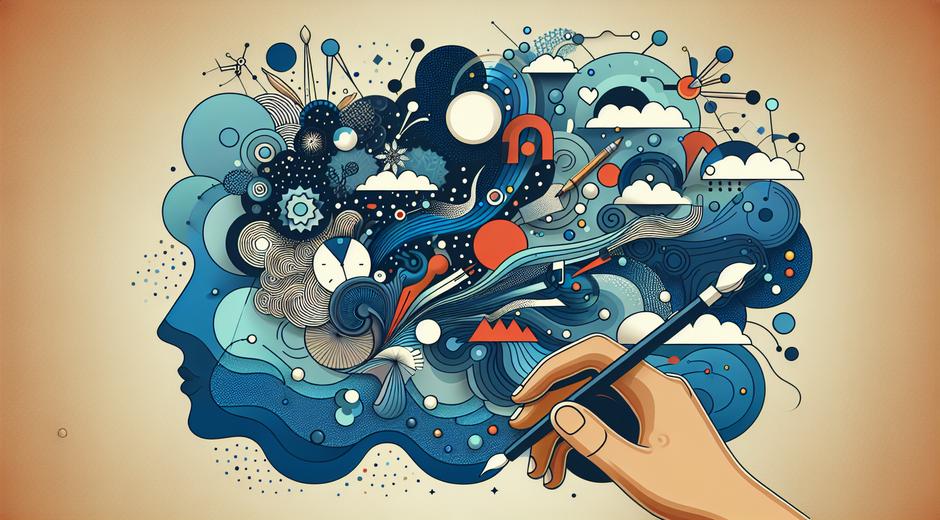
Flow lines are invisible guides that lead the viewer eye through a composition. In painting drawing sculpture and digital art these guides can be literal strokes or implied paths created by contrast color and form. Understanding flow lines helps artists create a sense of motion unity and focus. For collectors curators and anyone who loves visual art mastering flow lines improves both creation and appreciation.
How Flow Lines Shape Composition
At its core composition is about how parts of an image relate to the whole. Flow lines connect those parts. A curved brush stroke can carry the eye from one corner to another. A repeated shape can rhythmically nudge a glance across the page. Even an empty space can function as a flow line when surrounding elements point toward it. Artists use this tool to control pacing and to highlight focal points.
Consider classic landscape paintings where a river or path cuts through the scene. That element is not only literal content. It also forms a deliberate flow line that invites exploration. In portraiture a gaze or the tilt of a head can create a flow line that engages the viewer. In abstract art flow lines become even more central as they often substitute for narrative and gesture.
Principles for Creating Effective Flow Lines
There are practical principles that artists can apply to strengthen flow lines. Use contrast to create visible paths by placing light against dark or warm against cool. Lead the eye with repetition when shapes or textures repeat along an imagined curve. Leverage scale to create directional emphasis with large elements anchoring a path and smaller elements suggesting continuation. Directional marks such as brush strokes or digital swipes directly form flow lines and are especially effective when they vary in speed or pressure to suggest motion.
Tools and Techniques to Enhance Flow Lines
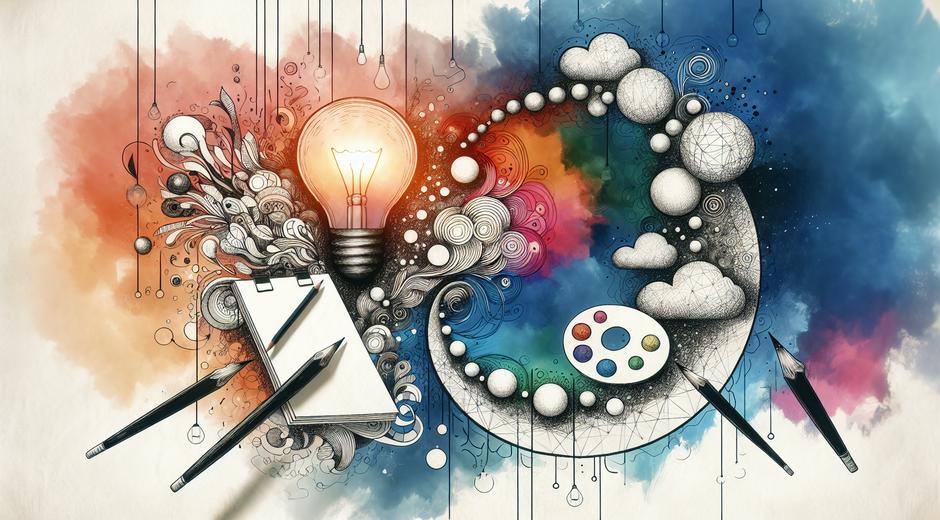
Different media offer different possibilities for flow lines. Oil and acrylic allow for visible strokes that can be layered to build complex paths. Ink and charcoal can create sharp directional marks that read clearly from a distance. Digital tools give precise control over line weight and opacity enabling artists to refine flow lines during editing. Sculptors shape physical lines through form and negative space. Even installation artists arrange objects to guide movement through a room.
Practice exercises help build intuition for flow lines. One exercise is to limit a composition to three elements and explore five ways those elements can be arranged so that the eye follows a different path each time. Another is to remove the focal point and rely solely on flow lines to create interest. Over time the mind becomes more sensitive to subtle paths and the placement of directional cues.
Flow Lines and Emotional Impact
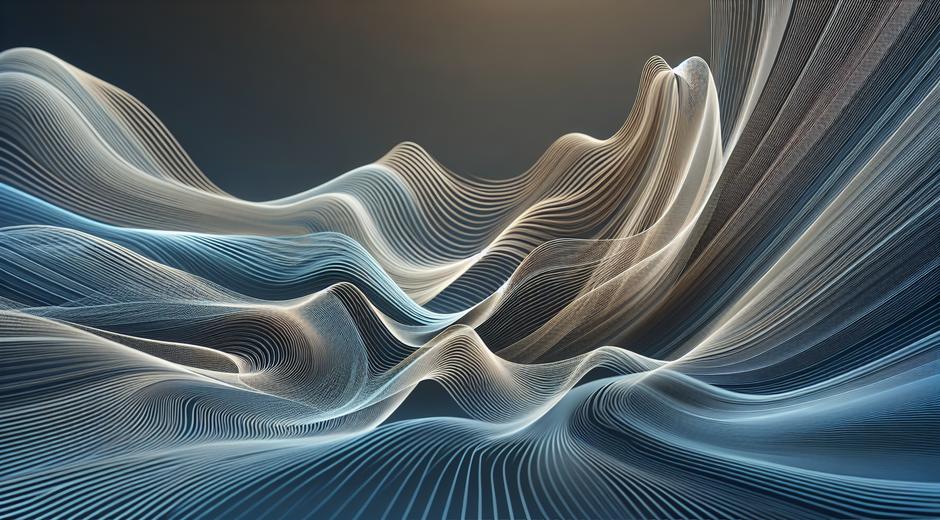
Flow lines do more than organize. They influence mood and narrative. Smooth gentle curves often evoke calm and harmony while sharp angular paths can suggest tension or urgency. A looping flow line may imply repetition or obsession. A single strong diagonal can suggest speed or ascent. Artists can harness these associations to support the thematic content of their work.
Color interplay along a flow line also alters feeling. A warm band of color that travels across a cool field can feel inviting and energetic. Conversely a cool flow line moving through warm colors may feel distant or isolating. Such contrasts give artists options to deepen the emotional content of a piece through purely visual means.
Examples from Art History
Across art history flow lines have been used in many ways. Renaissance masters used compositional lines to focus attention on religious narratives. Impressionists used brushwork to create shimmering flow lines that capture transient light. Modernist painters explored flow lines as pure gesture creating dynamic canvases that prioritize movement over representation. Contemporary street artists often use architectural lines and built forms to create paths that influence how the public interacts with urban space.
Applying Flow Lines to Digital and Mixed Media Work
In digital projects flow lines can be animated to guide attention across a screen. Motion creates an even stronger directional cue. UX and interface designers study flow lines while planning user journeys. Artists who combine physical materials with projection or interactive elements must think about real world movement as a flow line too. This interdisciplinary approach opens new creative possibilities while also demanding careful consideration of how people move through a space or a narrative.
Teaching Flow Lines and Developing Visual Literacy
Educators can teach flow lines as part of visual literacy. Exercises that ask students to trace the path their eyes take when looking at an artwork reveal intuitive flow lines. Such tracing helps learners become deliberate designers of visual movement. Galleries and museums can include prompts that ask visitors what path they follow in a piece and why. This simple practice deepens engagement and fosters critical observation.
Flow Lines in Everyday Design
Flow lines are not restricted to fine art. They appear in graphic design packaging architecture photography and even stage design. For brands that aim to convey a clear message flow lines can guide consumer attention toward a logo a product or a call to action. A website that applies flow line thinking will naturally direct the visitor to primary content and reduce confusion. For those seeking more inspiration on how motion and athletic rhythm inform visual flow consider the crossover insights shared on SportSoulPulse.com where movement in sports is discussed as visual poetry.
Practical Tips for Artists
Begin compositions with a few strong flow lines sketched lightly to set the rhythm. Evaluate a work from a distance to see whether the intended path reads clearly. If the eye stalls try introducing a contrasting element or a small repetition to restart the flow. When editing digital files use layers to test different line directions without committing. Invite feedback focused solely on movement rather than content. A fresh pair of eyes often notices stuck spots that an artist has become blind to.
Showcasing Work with Strong Flow Lines
When presenting work to galleries or online platforms highlight the role of flow lines in your statement. Describe how movement informs the piece and what you want the viewer to experience. Curators respond to clear intent and viewers feel invited when given a hint about how to look. For artists who want their work featured on platforms that value thoughtful curation add links to your portfolio and read editorial guidelines on sites such as museatime.com to learn how to frame your work for wider audiences.
Conclusion Embrace Flow Lines to Elevate Your Visual Work
Flow lines are a foundational part of visual communication. They guide attention shape emotion and create narrative without words. Whether you are a painter sculptor designer or a curator integrating flow line thinking into your practice will deepen how you create and how you see. Start small experiment often and pay attention to where your eye wants to go. Over time your compositions will gain clarity movement and resonance that invite viewers to stay and explore.