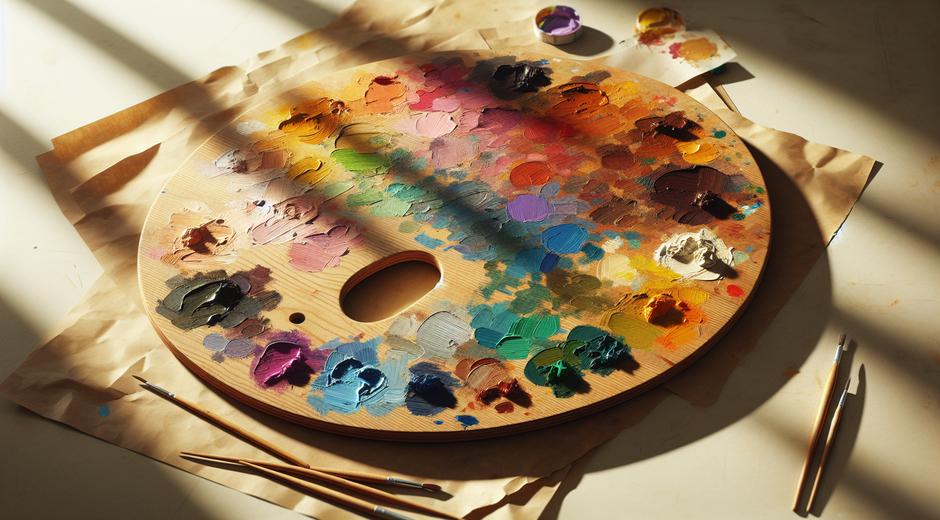


The Art and Science of the Palette
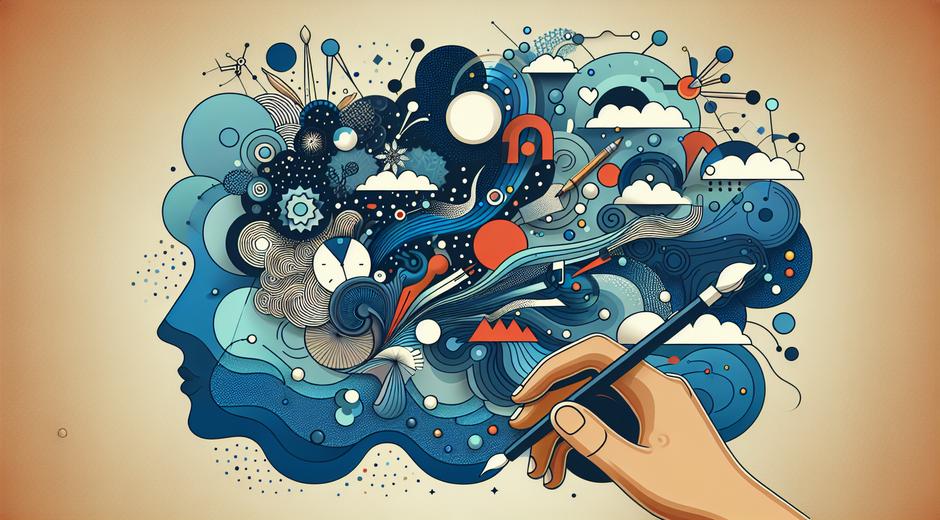
The palette is a central tool for any artist. At once practical object and metaphor for creative choice it guides color selection mixing and visual harmony. Whether you are a painter working with oil or acrylic a digital artist building a user interface or a designer selecting a brand color system the concept of the palette shapes your decisions. This long form guide explores palette history principles and practice so you can refine your color sense and create stronger work.
What is a palette
A palette is both the surface an artist uses to hold paint and the collection of colors they choose to use in a composition. In a broader sense a palette describes any curated set of colors used together to achieve a desired effect. Painters arrange pigments physically on a wooden board or a plastic tray while digital creators assemble swatches in software. The same principles apply across media: contrast balance harmony and emphasis are achieved by smart palette choices.
A brief history of the palette in art
Palettes have a long history tied to material availability and cultural taste. Early painters mixed natural earth pigments with binders and used small stone bowls or wooden boards to blend colors. As pigment technology evolved new bright hues arrived and artists adapted their palettes accordingly. In modern times a palette can be limited to a few earth tones or can include a wide range of synthetic colors. The choices an artist makes reflect not only personal taste but also the cultural context of the work.
Palette types and how artists use them
Artists choose palette types to control mood and clarity. A limited palette uses just a few related colors to create unity. An extended palette gives a wide range of choices for subtlety and realism. A complementary palette pairs colors from opposite sides of the color wheel to boost contrast. A monochrome palette focuses on values of a single hue to emphasize form and light. Each approach has merits and limitations. Learning to control a palette helps an artist solve visual problems such as focal point clarity and color balance.
Color theory applied to the palette
Color theory gives a practical framework for building palettes. Basic ideas such as hue value and saturation help artists predict how colors will interact. The color wheel remains a useful tool for identifying complementary analogous and triadic relationships. Value is often more important than hue for legibility since a range of lights and darks creates depth and separates planes. Saturation modulates intensity and can signal distance energy or calm. A successful palette often balances these three axes to support the composition.
How to build a palette step by step
Start by defining intent. Ask what emotion or message the piece should convey. Use references from nature photography fabric or existing art to gather candidate colors. Limit your starting set to a handful of hues and test them in thumbnail sketches or swatches. Adjust values to ensure a full range from dark to light. Introduce accent colors sparingly to create emphasis. If you are working digitally create swatches and name them for consistency during production. If you prefer hands on methods mix small samples and evaluate them under the lighting where the final work will be displayed.
Practical tips for painters
For painters keep a consistent order of pigments on your physical palette to reduce accidental muddying. Clean mixing areas between major blends and test mixes on a scrap surface before applying to the main work. Understand the differences between opaque translucent and transparent pigments and use glazing techniques to build depth without increasing saturation. A limited palette of warm and cool versions of primary colors can create a surprising variety of neutrals and localized color shifts. Practice controlled experiments to learn how specific pigments behave when mixed.
Digital palettes and workflow
Digital artists benefit from reusable swatch libraries and naming conventions. Organize swatches by role such as base color shadow and accent. Use color management tools to maintain consistency across monitors and print. Sampling palettes from photographs offers a fast route to realistic palettes but refine these samples to ensure values read correctly in your composition. Tools in design software allow you to lock swatches so they remain constant through iterations which is helpful in collaborative projects and brand work.
Palette psychology and cultural meaning
Colors carry cultural and psychological associations that affect how viewers respond. Warm hues are often perceived as energetic and inviting while cool hues can suggest calm or distance. However cultural context matters; a color that signals celebration in one culture might signal mourning in another. Consider audience and setting when you choose a palette for public work or commercial design. Using symbolic colors intentionally can add a layer of meaning that supports the narrative of your piece.
Common palette mistakes and how to avoid them
Avoid palettes that rely too heavily on midrange values as these can make a composition look flat. Watch out for oversaturated palettes that tire the eye or lack hierarchy. Another common mistake is using a palette that clashes with the intended display environment such as a gallery with warm lighting or a screen with cool calibration. Always test your palette in context and iterate until color relationships read well at the intended scale.
Using palettes in design and branding
In branding a palette acts as a visual language that supports recognition and trust. Choose primary colors that work across print digital and environmental applications. Develop secondary palettes to allow variation while maintaining coherence. Provide usage rules for contrast legibility and spacing so teams can apply the palette consistently. A brand palette that is versatile and accessible helps maintain a cohesive identity across touch points.
Palette exercises for artists
Try daily palette studies where you limit yourself to three colors plus white and black. Explore mood by creating small compositions using only analogous or only complementary schemes. Do timed exercises where you must decide on a palette in five minutes then execute a quick painting to test the suitability. These drills build instinctive understanding of color relationships and speed up decision making in longer projects.
Resources and further reading
To keep learning visit trusted art education sites and galleries. For curated articles tutorials and inspiration related to color and composition check the main site at museatime.com which offers guidance for painters illustrators and designers. If you are also interested in how flavor and taste use related palette thinking in food and beverage try a resource that explores sensory design at TasteFlavorBook.com which links culinary palettes to visual choices and creative practice.
Conclusion
Mastering the palette involves both study and practice. By understanding color theory learning how pigments interact and running focused experiments you develop a confident color sense. The palette is a flexible tool that can express mood convey brand values or reveal subtle character in painted work. Keep refining your approach and compile a personal library of palettes that resonate with your visual voice. Over time these collections will become a signature part of your artistic practice and a reliable resource when new projects demand clear color direction.