

Silence Space: The Art of Embracing Quiet in Galleries and Everyday Life
Silence space is more than an absence of sound. In the world of art it is a crafted atmosphere that invites deeper attention and a fuller encounter with works on view. From the hushed galleries of early modern museums to contemporary installations that use silence as raw material the concept reshapes how we perceive color shape and texture. This article explores the history theory and practical ways to create meaningful silence space that enhances artistic experience whether you are a curator an artist or a visitor.
What Is Silence Space in Art
Silence space refers to an intentional design choice that emphasizes quietness and minimal sensory distraction so that viewers can engage more fully with art. It encompasses acoustic properties of a room the visual layout the pacing of a tour and the social norms that govern behavior in a space. When silence space is well executed it transforms a visit into a contemplative encounter where subtle details and emotional resonances become visible.
Artists and curators often use silence space to slow perception down. In a crowded noisy environment art can be reduced to spectacle and novelty. By contrast a quiet context allows for sustained attention which reveals layers of meaning. This does not mean that silence space excludes sound entirely. Rather it accepts the creative potential of quiet as a material and a frame for experience.
Historical Roots and Artistic Lineage
The practice of cultivating silence space has roots in religious contemplative traditions as well as in modernist aesthetics. Early twentieth century galleries began to adopt spare interiors and controlled lighting to present paintings with clarity. Minimalist artists in the mid century extended the idea by creating large quiet works that required presence and duration from viewers. Sound artists and composers also explored silence as an element after which other sounds gain context and weight.
Yves Klein and John Cage are notable practitioners of this sensibility. Cage famously highlighted how silence is never absolute and how the listener becomes aware of ambient sound. Visual artists built on similar insight to foreground the environment around an object. Today silence space operates across interdisciplinary practices and informs how exhibitions are designed and how audiences are invited to participate.
Design Principles for Creating Silence Space
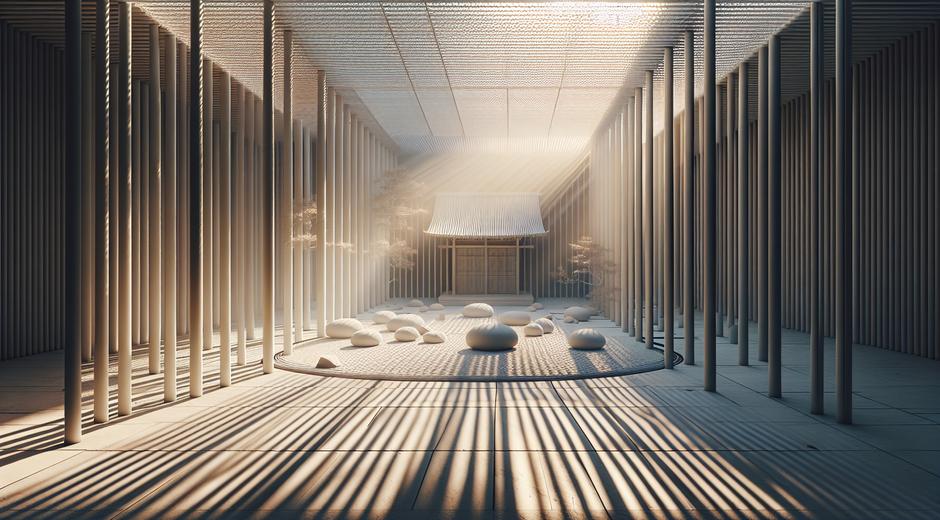
Designing effective silence space involves attention to several interrelated factors. Acoustic control is central. Soft surfaces and strategic placement of partitions can reduce reverberation and distant noise while preserving the live quality of sound that is present. Lighting design matters as well. Gentle even illumination reduces visual strain and invites slow looking. Spatial arrangement that allows viewers to create personal distance from others encourages private reflection.
Material choices such as matte surfaces and muted palettes help reduce visual competition and support the presence of a single work or a small group of pieces. Signage and typography should be unobtrusive and clear so that information is accessible without dominating the scene. Finally the programming of a space the timing of tours and the training of staff in the art of quiet hospitality all contribute to sustaining silence space over time.
Silence Space in Different Contexts
Silence space can be adapted to many environments. In museums and galleries it creates zones for focused looking and listening. In public art projects it can offer a respite inside a busy urban landscape. In studios and private practice it supports creative processes by giving artists room to think and respond. Each context requires unique solutions. A small gallery can use curtains and rugs to soften sound while a large museum might invest in architectural interventions and dedicated contemplative rooms.
Schools and community centers can incorporate silence space to foster concentration and calm among learners. Libraries are natural allies for this approach since they already value quiet study. In retail and hospitality settings designers increasingly create quiet corners so that customers can slow down and engage with objects more meaningfully. The core idea is to treat quiet as an asset for attention.
How To Build Silence Space at Home or in the Studio
Creating a silence space at home or in the studio does not require a large budget. Start by selecting a corner or room that can be dedicated to calm. Reduce clutter and choose a restrained color palette. Introduce soft textiles and rugs to manage reflections and echoes. Position seating so that it faces art surfaces or a window where light can change slowly over the day. Consider small plants or natural materials that soften the atmosphere without adding sensory competition.
Set clear boundaries around the space. A simple sign or a ritual such as removing shoes or turning off electronic devices can reframe the area as a place for focus. Establish routines for visiting the space like twenty minute sessions of looking or a weekly practice of slow drawing. Over time the mind will learn to associate this space with attentive experience.
Curatorial Strategies That Honor Silence Space
Curators who want to foster silence space can do so through pacing and selection. Limit the number of objects in a room to avoid visual clutter. Use neutral wall colors and allow breathing room around each work. Consider sequencing that alternates dense areas with sparse ones so that visitors experience contrast. Provide seating so viewers can stay without feeling pressured to move on.
Signage should be brief and considerate. Text that invites questions or offers a single evocative phrase often works better than long didactic panels. Offer audio guides with optional modes that allow the listener to choose quiet reflection instead of narration. Staff training is also essential. Quiet mediation techniques help staff guide visitors toward deeper encounters without policing behavior.
Silence Space and Audience Well Being
Research in environmental psychology shows that quiet environments reduce stress and improve cognitive performance. Silence space in art settings amplifies these benefits by coupling quiet with aesthetic stimulation. Visitors report feeling more refreshed more open and more emotionally moved after time spent in contemplative galleries. This effect holds for diverse audiences including families seniors and students.
Making silence space accessible is a matter of inclusivity. Clear wayfinding and seating support people with different needs. Offering sensory guides that describe the acoustic conditions and the pacing of a visit helps neurodiverse visitors plan their experience. Silence space should be welcoming and flexible not exclusionary.
Examples of Silence Space in Contemporary Practice
Contemporary artists continue to experiment with silence space. Installations that use minimal sound amplification or that isolate ambient sounds prompt listeners to notice small shifts. Museum projects that reserve rooms for quiet reflection after a busy exhibition day create a counter rhythm that supports healing and contemplation. Public programs such as guided silent tours and collective listening sessions invite communities to inhabit silence together.
When institutions promote slow looking and quiet engagement they also encourage different forms of learning and community building. For readers who seek inspiration or practical case studies the editorial team at museatime.com regularly publishes essays interviews and exhibition reviews that highlight how silence space is shaping contemporary art practice.
Conclusion: The Transformative Power of Silence Space
Silence space is a disciplined approach to design and curation that honors attention. It asks us to slow down to listen and to look more carefully. For artists and curators silence space offers a method to reveal subtlety and to foster emotional connection. For visitors it is an invitation to experience art in a deeper more human way. Whether you are redesigning a gallery creating an artist studio or simply carving out a quiet corner in your home the principles of silence space can improve focus and enrich perception.
For more resources and ideas about implementing silence space in creative projects visit Museatime.com where you will find practical guides artist interviews and inspiring case studies that support thoughtful engagement with art and environment.