

Leading Lines in Art Composition: A Complete Guide to Guiding the Eye
Leading lines are one of the most powerful tools an artist can use to shape how a viewer experiences an image. From classical painting to contemporary photography, the careful placement of lines can create depth emotion and narrative flow. In this article we will explore what leading lines are why they work how to find them and how to use them with intention in your own art practice. The goal is to help you turn ordinary visual elements into strong compositional devices that guide attention and reinforce concept.
What Are Leading Lines and Why They Matter
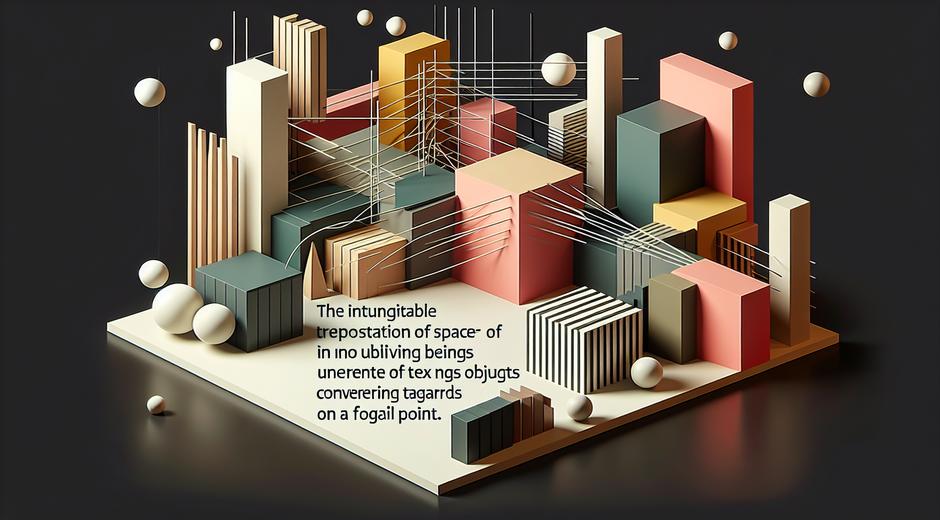
Leading lines are visual elements that direct the viewer eye toward a focal point or through a scene. They can be literal lines such as roads rails architecture and tree rows or implied lines created by gaze gesture contrast and repetition. The human brain seeks order and pattern. When lines converge or point they create a route for the eye to follow. That route can emphasize scale reveal depth create drama or support the theme of the work.
Artists use leading lines to control pacing within an image. A strong diagonal can create energy and movement while a gentle curve can suggest calm or intimacy. Straight parallel lines often suggest order and stability. Understanding these effects allows you to align form with meaning so that the composition does more than look pleasing it also communicates.
Types of Leading Lines in Visual Art
Leading lines appear in many guises. Notice how the following categories offer different emotional and structural benefits.
Natural lines: Rivers paths branches ridgelines and shorelines. These lines are ideal for landscapes where the terrain itself offers a visual guide.
Architectural lines: Staircases bridges windows and building facades create strong geometric routes. Urban photography and architectural painting benefit from these clear trajectories.
Perspective lines: Converging lines produced by perspective drawing methods create depth and draw attention to points of interest. One point perspective often leads the eye straight to the subject while two point perspective can create a dynamic sense of space.
Implied lines: A figure pointing a glance and the alignment of repeated shapes all create implied lines. These can be subtle and powerful because they rely on narrative cues rather than literal boundaries.
Light and shadow: Contrasts created by light can form paths that the eye follows. Bright highlights against dark surroundings function as visual lanes that lead toward or away from your subject.
Compositional Strategies for Using Leading Lines
Applying leading lines effectively requires both observation and intention. Here are practical strategies to help you design stronger compositions.
Start with the focal point: Decide where you want the viewer to land. Once the destination is clear you can place lines that usher the eye in that direction. This makes the entire composition work to reinforce the central idea.
Use convergence to add drama: Lines that converge at or near your focal point create a sense of focus and importance. This works especially well for portraits and still life where the subject must dominate the scene.
Create flow: Leading lines can take the viewer on a visual journey. Think about the sequence of visual stops. A path that leads to a mid ground element and then onward to a distant horizon encourages deeper viewing and sustained engagement.
Balance lines with negative space: Strong lines can dominate a composition. Use empty areas to allow the eye to rest and to highlight the line driven movement rather than offer clutter.
Combine line types: Use natural and implied lines together. For example a river may draw the eye to a person whose gaze then points to a distant mountain. Each line type reinforces the next creating a cohesive narrative thread.
Practical Exercises to Train Your Eye
Developing an intuitive sense for leading lines comes from practice. Here are simple exercises to sharpen observation and execution.
Walk and photograph: Take a camera or sketchbook and focus only on compositions where a line leads to a clear focal point. Review the images and note which lines felt strongest and why.
Crop variations: Take a single image and crop it in multiple ways. Observe how different crops emphasize or diminish the effect of leading lines.
Sketch studies: Quick small sketches help you experiment with line placement without committing to a final work. Try swapping a straight route for a curved one and note the change in mood.
Analyze masters: Look at works by artists known for strong compositional control. Notice how lines guide reading order and highlight emotion. Many classic landscapes and religious scenes use leading lines to focus reverence and drama.
Leading Lines in Different Mediums
While photography often captures existing lines the practice translates across painting sculpture and mixed media.
In painting you can invent lines with brushwork color and tonal contrast. Painters control the thickness direction and continuity of lines to shape the viewer experience. In sculpture the plays between edges shadows and forms can lead the viewer around or through the object. Installation artists create immersive line driven experiences that guide movement through a space.
Even in graphic design and collage the placement of elements creates pathways. Text rows icons and color blocks all become part of a visual choreography that relies on line logic.
Common Mistakes and How to Avoid Them
Leading lines can be misused. Here are frequent errors and simple corrections.
Conflicting lines: Multiple strong routes pointing to different areas can confuse the viewer. Simplify by softening secondary lines or reorienting them to support the main direction.
Lines that stop abruptly: When a line ends at the edge of the frame without purpose it can feel like an accident. Let lines resolve into a subject or continue to a deliberate exit point.
Obvious gimmicks: Forcing a line where none exists can read as contrived. Work with authentic elements and enhance them rather than inventing obvious props that call attention to themselves.
How to Use Leading Lines to Boost Visibility Online
Compositional strength matters for search engine optimized image content. Images that draw and sustain attention increase engagement metrics which can improve ranking signals for visual oriented pages. When you prepare art images for online galleries use captions and alt text that include the phrase leading lines where it is natural. Describe the scene and the role of the lines rather than stuffing keywords. Thoughtful storytelling helps both human viewers and machine crawlers connect context and relevance.
If you want curated articles and examples to study further visit museatime.com where you will find essays case studies and visual breakdowns that focus on composition theory and practice. For artists interested in the intersection of art and market strategy there are resources that explain how strong composition can influence value and audience perception. One useful resource for broader market context is FinanceWorldHub.com which covers art market trends and investment insights that complement artistic development.
Conclusion
Leading lines are a versatile tool that reward both study and experimentation. Whether you are refining a landscape a portrait or a piece of visual branding the conscious use of lines will help you guide attention shape emotion and convey narrative. Practice the exercises above analyze successful works and always start with the destination in mind. With deliberate use of leading lines your work can achieve stronger engagement and clearer communication.