

Atmospheric Perspective A Complete Guide for Artists and Lovers of Art
Atmospheric perspective is one of the most powerful tools in the visual language of painting and drawing. Often taught as a basic concept in art education yet refined across centuries by masters and experimental artists alike atmospheric perspective shapes how viewers perceive depth mood and space within an image. This guide explores what atmospheric perspective is why it matters how to apply it and how contemporary artists can adapt its principles for digital and traditional work.
What is atmospheric perspective
At its core atmospheric perspective is the set of visual cues that tells us how far away objects are based on changes in tone color sharpness and contrast caused by the air between the viewer and the subject. As distance increases details soften tones become lighter and colors shift toward the hue of the sky. These effects occur because particles in the atmosphere scatter light and reduce contrast. For artists understanding and using atmospheric perspective allows a two dimensional surface to convey a convincing three dimensional space.
Why atmospheric perspective matters in art
Using atmospheric perspective effectively can transform a composition. It helps guide the viewer eye create a believable environment and elevate narrative emotion. Landscapes rely heavily on this technique to imply vast distances while urban scenes use it to suggest scale and density. Portraits and still life can also benefit from subtle atmospheric cues that place the subject within a cohesive setting rather than making it float against a flat backdrop.
For those who want ongoing inspiration and resources about composition technique and art history visit museatime.com where articles cover many foundational and advanced topics artists return to again and again.
Core visual cues of atmospheric perspective
There are several reliable cues to manipulate when aiming for atmospheric perspective. Tone is central. Distant objects are usually lighter because they reflect less direct light to the eye. Color shift is another cue. Hues move toward the color of the sky which is often blue but can be warm at sunrise or sunset. Contrast and detail diminish with distance sharp edges become softer and textures blur. Value relationships matter too objects in front are darker and possess stronger light and shadow interplay than background elements.
Techniques for traditional media
In oil or acrylic painting begin by blocking in large value masses to establish depth relationships. Reserve the strongest contrasts and most saturated colors for the focal plane. Use glazing or scumbling to push planes back by reducing saturation and raising values. For watercolor exploit the medium natural transparency to create soft distant forms. Wet on wet washes pull colors together and reduce edge definition which is ideal for suggesting far away hills or skies. For drawing rely on graduated shading and softened edges with tools such as blending stumps or soft cloth to push receding planes back.
Techniques for digital media
Digital painting provides precise control over atmospheric effects. Use layers with low opacity to create subtle color shifts. Blur filters can soften details at distance while color grading layers shift hue toward the sky color. Digital brushes that mimic natural media help maintain texture while controlling sharpness. Remember to preserve high contrast and crisp detail at the focal point to keep the viewer engaged.
How to observe atmospheric perspective in nature
Train your eye by observing the world in different light and weather. On clear days distant objects will often appear slightly bluish and less detailed. On humid days or in mist the background can dissolve almost completely creating a dreamy effect. Urban observation is valuable too atmospheric perspective is visible in how far away buildings lose definition and color depth. Sketch outdoors with quick studies focusing on value and edge relationships rather than line detail this will sharpen your ability to reproduce realistic depth.
Historical overview and famous examples
Artists have used atmospheric perspective for centuries. In Italian renaissance paintings viewers can see subtle shifts that suggest depth even within crowded compositions. Later landscape artists such as those working in the romantic and realist traditions pushed the technique further creating sweeping panoramas of nature. Modern and contemporary artists continue to experiment blending atmospheric perspective with stylized color palettes or abstracted forms to create new visual experiences.
Common mistakes to avoid
Beginners often overuse the effect making everything pale and washed out which can flatten the composition instead of enhancing space. Another mistake is applying the same amount of desaturation or blur uniformly which removes hierarchy. Always remember that atmospheric perspective should support the composition by emphasizing depth and focal points. Maintain a balance between clarity in the foreground and subtlety in the distance.
Practical exercises to develop skill
One effective exercise is to paint the same scene at three values of clarity. First paint a crisp detailed version then a medium softened version then an almost atmospheric version with low contrast and muted colors. Compare and note which choices best convey distance. Another exercise is limiting your palette to one dominant hue plus neutrals to force you to rely on value and saturation shifts alone.
Using atmospheric perspective in design and photography
Beyond painting the principles of atmospheric perspective apply to design photography and cinematography. Photographers often use depth of field to mimic atmospheric depth while color grading in film can shift background hues to support mood. Designers use subtle gradients and blur to suggest depth in user interfaces or background imagery creating a sense of space without complicating layout.
Materials and tools that help achieve effect
Choosing the right materials influences how easily you can render atmospheric perspective. Transparent paints and mediums allow for gradual layers. Soft brushes and blending tools produce smoother transitions. In digital work select brushes that simulate softness and use adjustment layers to control hue and saturation. For artists interested in complementary products for studio practice or restoration supplies visit BeautyUpNest.com to discover items that can support an efficient creative process and studio upkeep.
Contemporary adaptations and creative possibilities
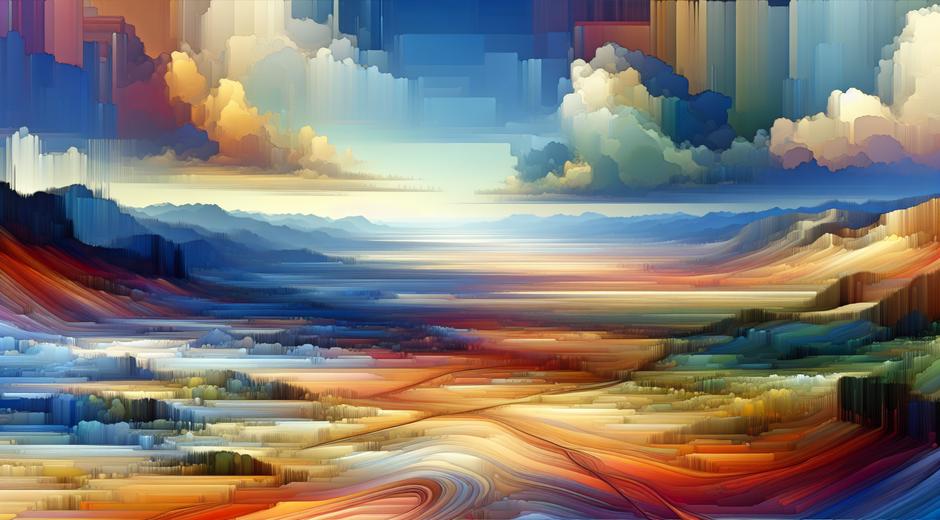
Contemporary artists often remix atmospheric perspective with unconventional color choices or layered textures. Some create hyper realistic depth that seems to emit from the canvas others combine atmospheric cues with flat patterning for a playful tension. Digital layering allows artists to animate gradual shifts in hue and clarity creating dynamic experiences that change with viewer interaction. These adaptations show how the principle remains relevant and adaptable across technologies and styles.
Conclusion
Atmospheric perspective is more than a technique it is a way to think about space light and color. Mastering it requires observation practice and intentional control of value saturation and edge quality. Whether you work in oil watercolor or pixels understanding how distance changes what the viewer perceives will elevate composition and storytelling in your art. Use the exercises and approaches described here to build confident control over depth and to develop a personal approach that serves your creative vision.
Atmospheric perspective rewards patience and repeated study. Keep practicing studying masters and testing new materials and you will find your work gains presence emotion and believability in ways that engage viewers more deeply.