

Surface Quality in Visual Art: How Texture Light and Finish Shape Perception
Understanding Surface Quality
Surface quality is a core concept in visual art that affects how viewers respond to an artwork at first glance and after careful inspection. It encompasses the tactile and optical properties of a work through attributes such as texture sheen gloss matte finish roughness smoothness and patina. Artists curators collectors and conservators all evaluate surface quality to understand an artworks condition original intent and aesthetic presence. In this article we will explore how surface quality is defined measured and optimized across media from painting and sculpture to printmaking ceramics and digital work.
Why Surface Quality Matters
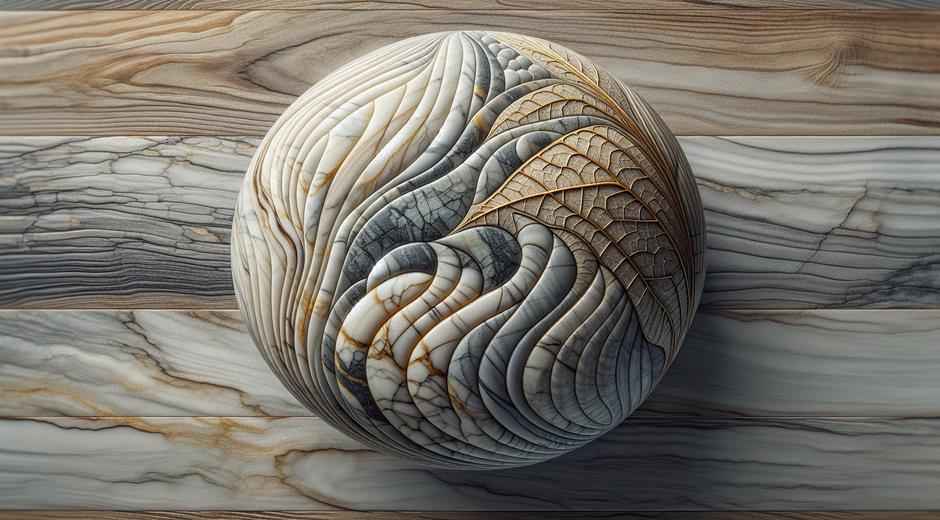
Surface quality mediates the relationship between light and material. It determines how highlights fall how shadows deepen and how color appears under different lighting. A glossy varnish can amplify color saturation and create sharp reflections while a matte finish can diffuse light and encourage a more intimate viewing experience. Texture provides tactile cues that invite mental simulation of touch which strengthens emotional engagement. For museums galleries and private collectors surface quality can also signal age wear or restoration work. Recognizing these signals helps guide display decisions conservation priorities and market valuation.
Key Components of Surface Quality
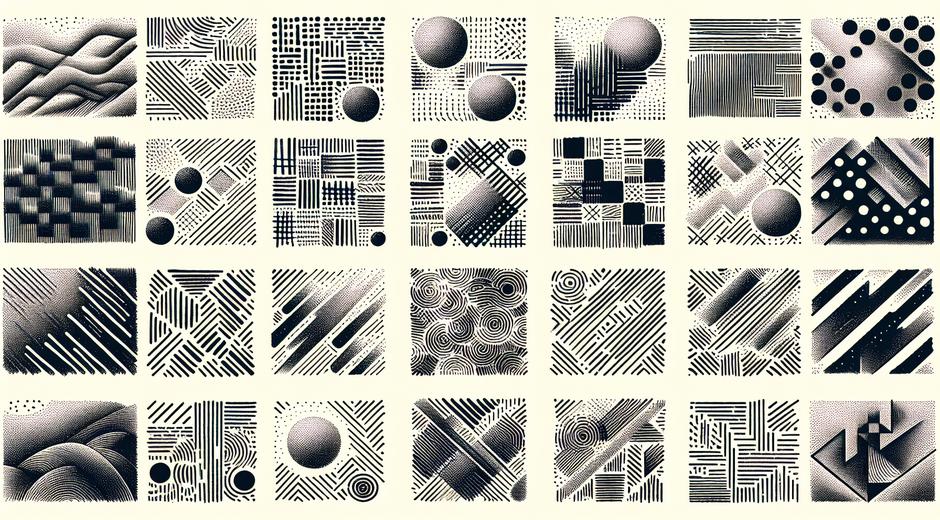
When assessing surface quality focus on a few consistent descriptors. Texture refers to the micro and macro topography of the surface such as brush marks incised lines or tool traces. Sheen describes the way light is reflected ranging from high gloss to low sheen to fully matte. Uniformity addresses whether the surface exhibits consistent characteristics or irregularities caused by layered materials cleaning or environmental impact. Color fidelity considers how the surface finish alters perceived hue and saturation. Finally adhesion and cohesion relate to the structural stability of surface layers which affects long term preservation.
Surface Quality Across Art Media
Each medium presents unique surface challenges and opportunities. In painting the artist controls texture through brushwork palette knife application and the choice of ground and varnish. Oil paint can produce luminous glazes while acrylics may dry to a flatter finish. In sculpture surface quality depends on the material and the tools used to shape it. Marble may be polished to a mirror like finish or left with chisel marks that celebrate process. Bronze can be patinated to develop color and texture that ages over time.
Printmaking introduces the subtle interaction of paper tooth ink viscosity and pressure which together shape the final surface. Ceramic glazes create surfaces that can be vitreous matte crackled or crystalline. Textile art depends on fiber selection weave and surface treatments. Photography and digital prints rely on paper finish and printing technique to convey the original scene in a faithful way or to enhance certain visual qualities.
Digital Surface Quality and Interactive Media
In contemporary practice many artists work in digital environments where surface quality is simulated rather than physically present. High fidelity texture maps normal maps and physically based rendering pipelines are used to mimic the way real materials interact with light. These digital strategies influence viewer engagement in games film and virtual galleries. For updates on how interactive media are evolving and how texture work is influencing visual culture see GamingNewsHead.com for industry perspective and technical coverage.
Assessing Surface Quality Objectively
While aesthetic judgment always plays a role there are objective methods to assess surface quality. Conservators use magnification raking light and ultraviolet inspection to reveal surface topology overpaint varnish and past repairs. Gloss meters provide quantitative measures of reflectivity while colorimeters measure color shifts across different coatings. High resolution photography and 3D scanning document surface features for comparison over time. These tools help create baselines for condition reports and guide safe intervention strategies.
Techniques to Improve or Preserve Surface Quality
Artists and conservators use a variety of techniques to achieve desirable surface quality. Choices made at the point of creation are often the most reliable way to control surface behavior. Selecting archival primers and media compatible varnishes and stable pigments reduces the likelihood of undesired changes. In restoration careful cleaning tests and minimal intervention preserve original texture and finish whenever possible. Surface consolidation can stabilize flaking paint while reversible varnishes protect color and allow future treatment.
In display settings controlling light exposure humidity and handling practices prevents deterioration. Direct strong light can bleach pigments or change varnish appearance while high humidity can foster biological growth that alters texture. Preventive measures such as filtered lighting stable environmental control and proper framing or supports all contribute to maintaining surface quality in the long term.
Photographing Surface Quality for Documentation and Promotion
Capturing surface quality in photographs requires attention to lighting direction intensity and the camera perspective. Raking light reveals texture by creating shadow contrast across small elevations. Cross polarized light techniques reduce glare and reveal true color which is especially helpful for glossy surfaces. For digital promotion and cataloging capture multiple angles and details so that both the overall composition and the tactile information are visible. This approach benefits scholars buyers and digital audiences who rely on images to form judgments about condition and aesthetic value.
Surface Quality as a Creative Tool
Many artists deliberately manipulate surface quality to communicate concept and mood. A raw rough surface can express urgency or violence while a smooth polished plane can suggest elegance control or detachment. Layering and abrasion are strategies that reveal process and history within the object. Artists also use contrast of surface types within a work to guide the eye create focal points and invite touch or distance. Understanding how viewers read these cues allows artists to plan surface strategies that align with conceptual goals.
Interpreting Surface Changes Over Time
Surface quality evolves. Natural aging chemical reactions and environmental exposure alter the appearance of finishes and textures. A varnish may yellow a pigment may fade and small cracks may appear in grounds. Some changes are desirable and contribute to an objects narrative while others threaten structural integrity. Documenting these changes and consulting with conservation professionals helps decide whether intervention is necessary and what approach will respect the works authenticity while addressing risk.
Practical Advice for Collectors and Curators
When acquiring or exhibiting work look closely at surface quality and ask about original materials and any past treatment. Request high resolution images that include detail views under different lighting so you can evaluate texture gloss and condition. Store and display pieces in stable environments with controlled light and humidity. For ongoing learning and inspiration in the field of art practice and criticism explore expert resources and platforms that cover material practice and presentation strategies. For curated art writing and features visit museatime.com where we cover topics that help artists collectors and professionals deepen their understanding of material and technique.
Conclusion
Surface quality is more than a physical attribute. It is a language through which materials speak to viewers and convey history context and intention. By learning to read surface cues measure changes and apply appropriate care artists curators and collectors can preserve meaning and aesthetic integrity. Whether you are standing close to a painting to admire brushwork or navigating a virtual environment to study texture maps an awareness of surface quality enriches the way we see and value visual culture.