

Edge Control as an Artistic Tool: Crafting Clean Lines and Motion in Modern Visual Art
Edge Control has moved beyond simple hair care to become a medium for creative expression in photography performance and mixed media art. Artists and stylists are discovering that the precise lines achieved with Edge Control can shape a subject space and mood in ways that align with visual art principles such as contrast rhythm and composition. This article explores how Edge Control can be used as an artistic tool practical techniques for creating refined edges and care tips to preserve both art and model comfort.
What Edge Control Means in an Art Context
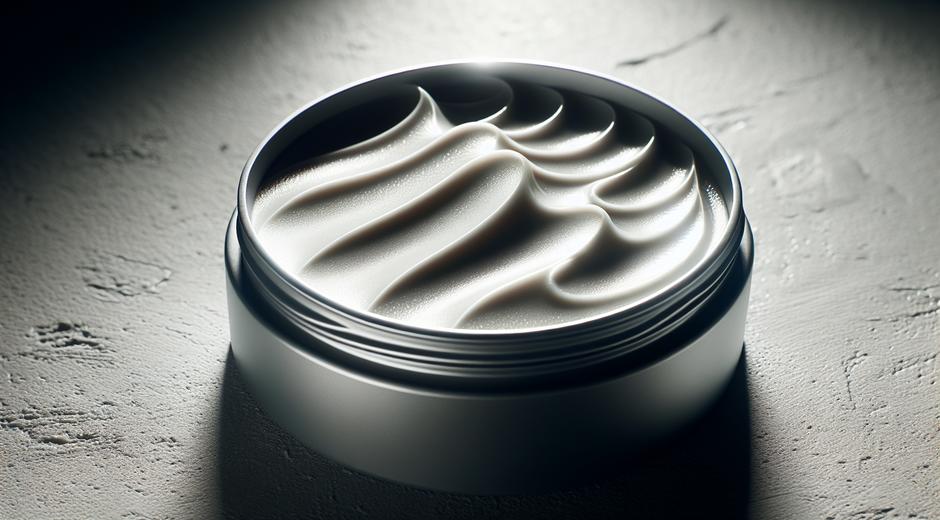
Edge Control refers to products and techniques used to sculpt the small hairs along hairlines to achieve smooth defined lines. In art contexts those lines can become compositional elements akin to brush strokes or drawn contours. Where a painter uses a fine brush to define a silhouette a stylist uses Edge Control to produce crisp arcs and geometric shapes that direct the viewer gaze. The product is typically a gel or pomade that offers hold and shine without flaking when applied correctly.
Why Edge Control Enhances Visual Storytelling
Clean edges add clarity to visual stories. In portrait photography a well defined hairline frames the face creating a deliberate boundary between subject and background. In fashion editorials controlled edges support the narrative by complementing clothing shapes and accessories. In performance and installation work Edge Control can support movement patterns where hair becomes an extension of choreography. Artists value the ability to modulate texture and light reflection so a small change in edge styling can transform the entire tone of an image.
Techniques for Using Edge Control in Studio Photography
Start with a clear vision of line and flow. Use a fine tooth comb or a small soft brush to guide tiny hairs while applying a small amount of Edge Control on the tip of your finger. Work in incremental layers building the shape slowly to avoid build up. For high contrast images choose a product with matte finish to reduce glare and preserve shadow detail. For luminous images choose a product with gentle shine to catch highlights on curved planes of hair and skin. Use a light scarf for a short set time to set the edges without compressing shapes that are meant to pop in the final frame.
Edge Control as a Tool in Performance and Installation Art
When hair lines are part of live performance the stakes include movement durability and quick touch up. Choose Edge Control that offers flexible hold to maintain edges through motion and sweat. Consider the lighting environment since some products may reflect light in unexpected ways under stage lamps. In installations where photographs are displayed alongside live action curated edge styles can create continuity across media so the audience experiences a unified visual grammar. Collaboration between stylists choreographers and curators is key to achieving coherent results.
Incorporating Edge Control into Mixed Media Work
Artists working in mixed media can use Edge Control to enhance sculptural portraits or wearable art. Applied to wigs or hair pieces Edge Control secures delicate lines that interact with paint texture or fabric pattern. In sculptural pieces small hairs can be arranged and fixed to create a sense of movement or to trace contours on three dimensional forms. Because Edge Control is pliable when set it allows for careful shaping and subtle adjustments during the creative process.
Selecting the Right Edge Control Product for Art Projects
Not all Edge Control products behave the same. For editorial work look for formulations that resist flaking and transfer to avoid staining clothing and backdrops. For performance choose water resistant options that remain workable and removable. For installations and mixed media consider acid free and pH neutral products when applying to art objects and delicate textiles. Prior testing on similar materials is essential to prevent unwanted reactions or long term damage to artwork.
Step by Step Guide to Sculpting Edges for Portrait Work
1. Prepare the canvas meaning the skin and hairline. Clean the area to remove oils and residues that reduce adherence. Use a mild cleanser or gentle wipe to ensure surface clarity. 2. Apply product sparingly. A small dot warmed between fingertips spreads more evenly than a large blob that clumps. 3. Define basic line using a soft brush or slim comb. Move outward from the central point to keep symmetry and balance. 4. Refine tiny hairs with a toothbrush or spoolie to create feathered transitions when needed. 5. Set the edges with a silk or cotton wrap for five to fifteen minutes depending on product instructions. 6. Final check under shoot lights to correct shine or texture before capture. This method preserves hair health and yields lines that read as intentional visual strokes in the final image.
Care and Removal to Preserve Model Comfort and Artwork Integrity
After the shoot or performance proper removal protects skin and hair. Use an oil based cleanser or gentle balm to break down product then follow with a mild shampoo to remove residue. For art objects use solvents that are compatible with materials and always test on an inconspicuous patch first. A careful removal routine avoids surface damage on textiles and paints ensuring that the artistic installation remains intact. Documentation of products used and removal processes helps future caretakers maintain the piece.
Ethical and Sustainable Choices in Edge Control Use
Artists and stylists can choose products that are cruelty free and formulated with sustainable sourcing in mind. Minimizing waste through controlled application and targeted use reduces environmental impact. When working in a gallery or public space provide clear labels and safety instructions for any interactive elements that include hair products. Transparency about ingredients and care requirements helps collectors museums and galleries assess long term preservation needs.
Where to Learn More and Find Inspiration
For explorations of art and styling approaches that merge aesthetics with technique visit museatime.com to discover artist interviews trend features and gallery highlights. If you are seeking product guides wellness focused hair suggestions and supplier recommendations consider a resource that offers holistic hair care insights and curated product lists such as BodyWellnessGroup.com.
Conclusion
Edge Control is more than a small part of routine styling. As artists and creators continue to blur boundaries between disciplines the precision offered by Edge Control becomes a deliberate tool for shaping visual language. Whether used to frame a face in a fashion story to emphasize motion in performance or to add textured detail in a sculptural piece the methodical application of clean edges can elevate the narrative clarity of a work. With thoughtful product choice careful technique and mindful care practices Edge Control supports sustainable art making while opening new avenues for visual exploration.