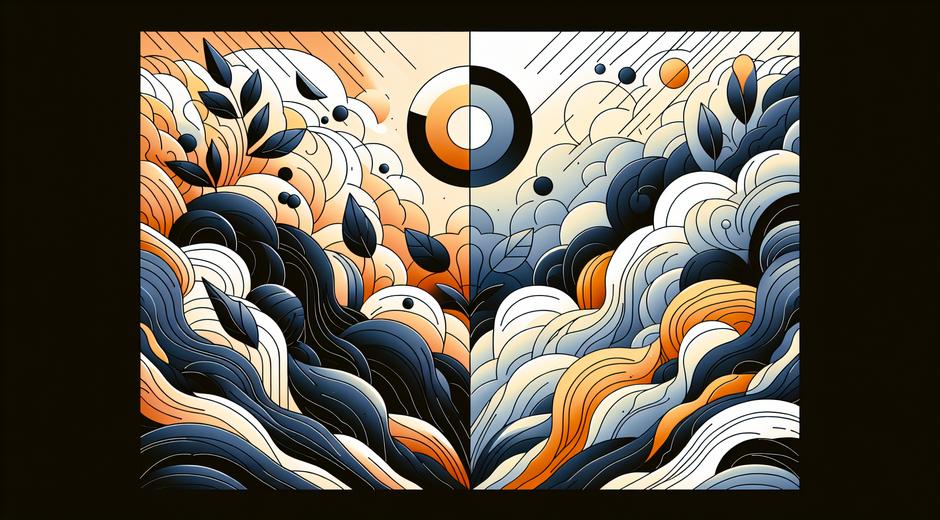


Dynamic Contrast in Contemporary Art Practice and Perception
Dynamic Contrast is a key concept that shapes how viewers experience visual work. From classical painting to immersive installation, artists use shifts in light and dark, color intensity and scale to guide attention and to create emotional resonance. This article explores practical methods for achieving compelling Dynamic Contrast, the psychology behind why it works and how curators and collectors respond to its use. The reader will gain actionable insights for making or evaluating work that stands out in a crowded visual field.
What Dynamic Contrast Means in Visual Art
At its simplest Dynamic Contrast refers to the deliberate difference between elements within an image or object. These differences can be about value contrast or about changes in color warmth or about scale and texture. A painting that pairs a bright zone with a deep shadow will have strong value based Dynamic Contrast. A sculpture that juxtaposes a smooth surface with a rough one has textural Dynamic Contrast. The effect is to create a tension that the eye and the mind find compelling.
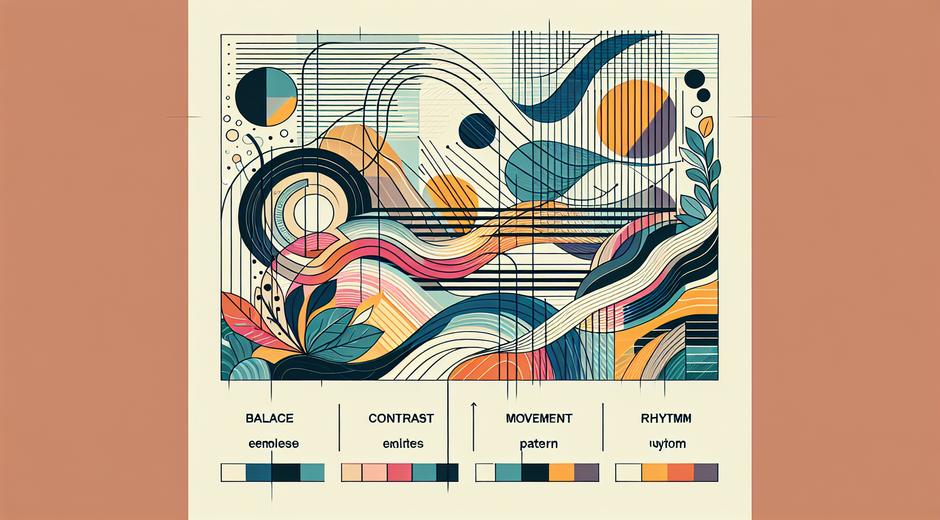
In studios artists train to see these relationships. They learn that contrast is not a single tool. It is a network of decisions that includes where to put a sharp edge versus a soft blend, how to arrange complementary colors and how to orchestrate visual rhythm so that attention moves through the work. The most memorable works use contrast in layers so that the initial impression opens into details that reward sustained looking.
Why Dynamic Contrast Works: Perception and Emotion
Visual systems evolved to detect differences. In nature contrast signals boundaries and sources of interest. In the gallery the same mechanisms make certain parts of a composition stand out. Value contrast immediately attracts the eye. Color contrast can create a floating effect or can anchor elements to a foreground plane. Spatial contrast in size or depth can imply narrative or can create a sense of monumentality.
Beyond perception there is an emotional dimension. Strong contrasts can feel dramatic or confrontational. Gentle contrasts can feel intimate or poetic. An artist can use the same set of elements to produce different moods by changing contrast relationships. That makes Dynamic Contrast a versatile lever for creative intention.
Techniques to Build Dynamic Contrast in Painting
Artists working in paint can control many variables to create contrast. Value is often the primary tool. High value contrast between light and dark shapes will push forms forward. Color temperature contrast between warm and cool tones can create a sense of depth. Saturation contrast where vivid hues sit beside muted tones will emphasize focal areas.
Another technique is to vary brushwork and edge quality. Sharp edges around a focal point will focus attention while soft edges around supporting areas will let them recede. Also consider negative space as an active element. Areas left open or simply rendered can provide a counterpoint to dense detailed zones and thereby increase perceived drama.
Dynamic Contrast in Photography and New Media
In photography contrast is often discussed in terms of exposure and tonal range. Photographers can use light shaping tools to create high value contrast or to isolate a subject against a simple backdrop. In new media artists working with projection and LED arrays can create temporal contrast where light changes over time. That adds an extra axis of control where contrast can be both spatial and temporal.
When images are presented on screens artists must also think about device based differences in contrast reproduction. What reads as subtle on one device may appear bold on another. That is why tests and proofs are essential when a work will be displayed on different platforms.
Curatorial Strategies for Exhibiting Work with Dynamic Contrast
Curators use Dynamic Contrast at the level of room design. The choice of wall color and lighting intensity can amplify or soften contrast within a work. Placing a low key work in a bright room may reduce its power while placing a vivid work against a neutral backdrop will enhance its impact. Effective curation looks at contrast across the ensemble so that individual pieces can breathe and the overall visual flow feels intentional.
Lighting is a potent tool. Directional light can reveal texture and sculptural form. Soft diffuse light will downplay surface irregularities and emphasize color and composition. Museums and galleries calibrate light to protect delicate materials while still supporting the intended contrast relationships in a piece.
Dynamic Contrast and Market Perception
Collectors and critics often respond to works with strong Dynamic Contrast because they are more memorable. A signature use of contrast can help an artist develop a recognizable voice and a coherent body of work. Visual identity matters in an attention economy where images must capture interest quickly.
For artists who want to build recognition it helps to document consistent strategies. That might mean a recurring use of high value contrast in portrait work or a repeated palette that balances saturated accents with neutral fields. For galleries presenting such work the narrative about why contrast is important can be part of sales material and can be linked to broader themes about technique and concept. For those who want more resources on the intersection of art and financial decision making consider visiting FinanceWorldHub.com where market trends are discussed alongside investment frameworks that can matter for collectors.
Exercises for Artists to Explore Dynamic Contrast
Practical studio exercises help artists internalize contrast choices. One exercise is to create a series of small studies where the composition is constant but the value range changes from limited to extreme. Compare how gesture and detail read in each version. Another exercise is to limit the palette to two or three tones and explore how much contrast can be achieved through value and temperature alone. A final exercise is to arrange a small still life and alternate between hard light and soft light to see how surface and form change their expressive capacity.
These experiments build visual memory. Over time an artist develops an intuitive sense of when to amplify contrast and when to hold back. That skill is crucial for creating work that has both immediate presence and sustained depth.
Applications Beyond the Studio
Dynamic Contrast is not only a studio concern. It matters for graphic identity print layouts and exhibition design. For branding contrast can communicate clarity and authority when used to highlight key information. For signage contrast supports legibility and wayfinding. Even in digital interfaces contrast influences usability and the emotional tone of interaction.
When translating fine art principles into applied design it is important to maintain subtlety. Excessive contrast in a communication piece can create visual noise. The same principle that makes a painting sing can be used to structure information in a way that guides the user without overwhelming them.
Closing Thoughts on Developing Your Approach
Dynamic Contrast is a foundational element in visual practice. It is both technical and expressive. Artists who study it closely will notice that small adjustments in lighting edge treatment or saturation can transform a work. Curators and designers who master contrast use it to shape experience and to support clarity. Collectors who understand its role will better appreciate the choices that give a work its presence.
If you want to explore examples and commentary about contemporary practice you can find curated essays and features at museatime.com where artists and writers share techniques and case studies that illuminate how Dynamic Contrast functions across media.
By learning to see contrast as a flexible instrument rather than a single trick you open the door to a richer visual language. Practice with intent and the results will show in both the immediate impact of your work and in the depth of engagement it invites.