

Temporal Rhythm in Contemporary Art: How Time Shapes Visual Narrative
Temporal Rhythm is a concept that crosses boundaries between music architecture and visual art in a way that invites deep engagement. In art practice Temporal Rhythm refers to the sense of pacing repetition and flow that guides how a viewer experiences an image or installation over a span of seconds or minutes. This article unpacks how artists build Temporal Rhythm why it matters for perception and how you can apply it to your art practice or curation to strengthen narrative impact.
What Temporal Rhythm Means in Visual Terms
At its core Temporal Rhythm is about sequence and expectation. It is not limited to literal movement. Static works can embody Temporal Rhythm through pattern scale contrast and implied motion. When an artist repeats a motif at varying intervals or changes the scale of visual elements gradually the viewer experiences a passage of time. That perceived passage creates a rhythm that guides attention and shapes emotional response.
For curators and critics Temporal Rhythm becomes a tool to analyze how a group of works interacts across an exhibition timeline. For artists the concept can inform decisions about sequence in a series and the pacing of form across a canvas. If you want a deeper look at related topics and featured artists visit museatime.com for essays and interviews that explore time in art.
Why Temporal Rhythm Matters for Perception
Temporal Rhythm influences memory and interpretation. When a visual pulse repeats with variation the brain is compelled to search for pattern and meaning. This cognitive engagement can produce surprise recognition and a richer narrative thread. The slow reveal of detail across a series creates anticipation. Sudden shifts in rhythm can act as a visual climax.
From a psychological perspective Temporal Rhythm interacts with attention span. Faster cycles of repetition demand rapid visual sampling while slower cycles encourage meditation. Artists who master these shifts can control how long a viewer spends with a work and what the viewer takes away from that encounter. When teaching or writing about Temporal Rhythm it is useful to reference examples across history from fresco cycles to contemporary video installations to observe how timing works at different scales.
Techniques Artists Use to Create Temporal Rhythm
There are multiple strategies to cultivate Temporal Rhythm in a work. Consider the following approaches that are common across disciplines.
- Repetition with Variation: Repeat a motif while changing color size or orientation to imply progression
- Gradation and Scaling: Move elements through a gradual change to create a sense of movement across the plane
- Directional Cues: Use lines gaze or leading edges to guide the eye and define a visual pathway
- Temporal Media: Use time based media like video or performance to control explicit pacing
- Sequence Placement: Arrange a series so that each work acts as a beat in a larger rhythmic composition
Each technique shapes experience differently. For instance repetition with subtle shifts invites close looking while stark contrast can jolt a viewer into a new perceptual mode. The choice of technique depends on whether the artist wants sustained contemplation or immediate impact.
Temporal Rhythm Across Different Media
Temporal Rhythm adapts to the affordances of each medium. In painting it is often implied through composition and brushwork. In sculpture the rhythm can emerge from the spacing of elements or the movement of the viewer around the object. In installation and performance Temporal Rhythm becomes physical as time elapses and bodies move.
Digital art offers precise control over timing allowing artists to program cycles that repeat and mutate. Light artists exploit change over time to alter perception slowly or rapidly. Even in applied design Temporal Rhythm matters in user experience when visual pacing informs interaction.
Case Studies: How Artists Use Temporal Rhythm
Consider a photographic series where a subject is captured at different times of day. The series creates Temporal Rhythm through light shifts and environmental change. Another example is a gallery installation composed of repeated sculptural forms that decrease in size as they progress across the room. The viewer reads size change as a temporal progression creating a sense of narrative movement without any literal motion.
In contemporary performance artists choreograph visual beats that align with sound to reinforce rhythm. The layering of media intensifies the temporal experience and can lead to a multisensory immersion where time becomes a material the artist sculpts.
How to Analyze Temporal Rhythm in a Work of Art
When you look at a work with an eye for Temporal Rhythm ask a few key questions
- What is repeated and how often does repetition occur
- Are there changes in scale color or intensity across the work
- Does the composition provide a clear pathway for the eye to follow
- Is time explicit through movement or implied through sequence
- What emotional response does the pacing elicit
Answering these questions helps you articulate how the rhythm functions and what effect it achieves. Writing about Temporal Rhythm with precise observations strengthens critical practice and can guide audience interpretation in exhibitions or catalogs.
Applying Temporal Rhythm to Your Practice
If you are an artist experimenting with Temporal Rhythm start with small studies. Create a grid and explore repetition with slight variation across each cell. Note how changes in contrast and spacing alter the sense of movement. Try sequencing small works so each piece acts as a beat in a visual arrangement. Document how viewers respond and adjust pacing accordingly.
For educators introducing the concept to students develop exercises that focus on attention span. Ask students to design a piece that requires one minute of sustained looking then another piece that rewards quick glances. Comparing outcomes teaches the power of timing in shaping interpretation.
Integrating Temporal Rhythm into Exhibitions and Spaces
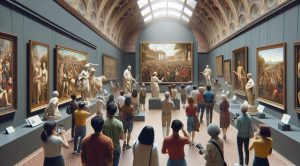
Curators can shape Temporal Rhythm across a gallery by ordering works to create a narrative flow. Lighting transitions spacing and wall color can all influence perceived pace. When exhibitions include interactive or live elements controlling the schedule and cadence of those interactions is essential to preserve the intended rhythm.
Designers working in spaces such as retail or public art can also apply Temporal Rhythm to guide movement and dwell time. Thoughtful pacing can improve experience and influence behavior. For product teams exploring aesthetic partnerships with artists check product selections and palettes that complement rhythmic sequences by visiting partners like BeautyUpNest.com which curate textures and tones that harmonize with visual tempo.
Conclusion: Temporal Rhythm as a Creative Tool
Temporal Rhythm is both subtle and powerful. It moves beyond mere visual pattern to become a narrative device that structures how meaning unfolds over time. Whether you are a practicing artist a curator or an art lover learning to see Temporal Rhythm will deepen your appreciation for how works communicate and resonate.
By studying examples experimenting with pacing and intentionally arranging sequences you can harness Temporal Rhythm to create more compelling experiences. For essays case studies and practical guides on rhythm and other art fundamentals explore our site and enjoy resources that help you translate concept into practice.