

Optical Depth
Understanding Optical Depth in Visual Art
Optical depth is the visual sensation of distance and space on a flat surface. In art optical depth is the method by which artists guide the viewer eye to perceive layers of space from foreground to background. Mastering optical depth transforms a simple composition into an immersive scene. This skill matters for painters photographers illustrators and digital artists who want their work to feel real and emotionally resonant.
Core Principles That Create Optical Depth
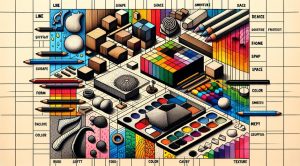
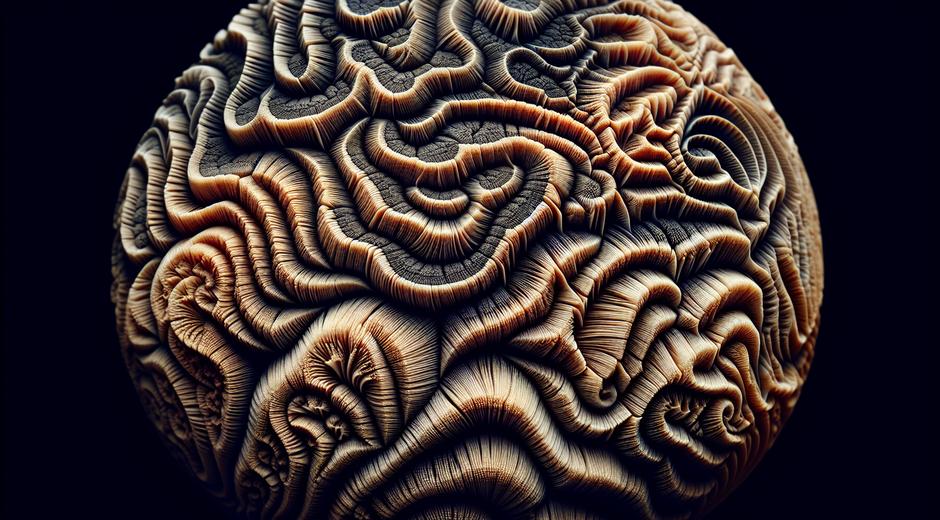
Several reliable visual cues produce optical depth. Linear perspective uses converging lines to suggest distance. Atmospheric perspective reduces contrast and clarity as space recedes. Scale changes and overlap signal which objects sit in front and which sit behind. Value contrast and strong highlights pull elements forward while muted tones push areas back. Texture density matters too detailed texture in front and smoothed texture in distance enhances the illusion of space.
Color and Value Strategies
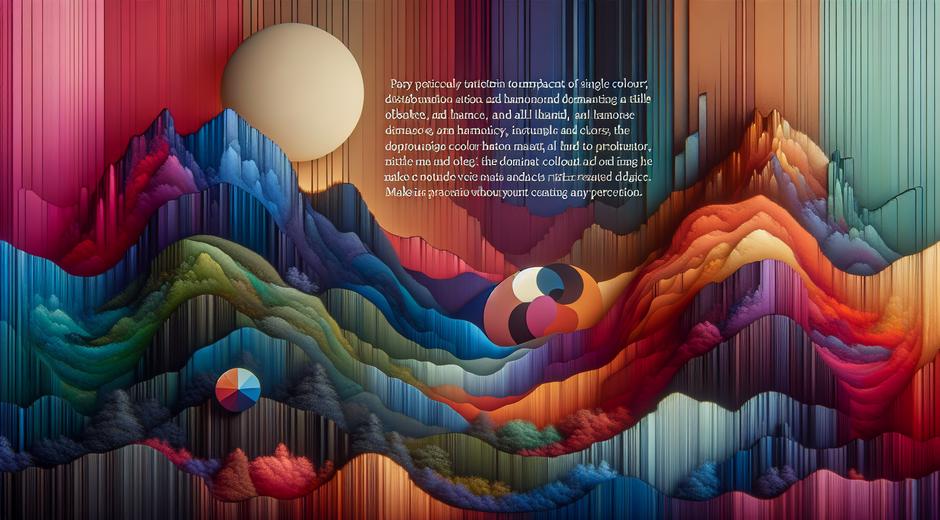
Color choice is a powerful lever for optical depth. Warm colors tend to advance while cool colors recede. By shifting temperature artists can create a believable sense of space without relying on literal perspective grid lines. Value range also shapes depth. High contrast in the foreground and low contrast in the background helps separate planes. Many landscape painters apply stronger saturated hues and sharper edges in the front and allow colors to desaturate toward the horizon.
Light Shadow and Edge Control
Light and shadow produce depth cues by creating form. Chiaroscuro the use of strong contrasts between light and dark can carve three dimensional volume out of flat paint. Soft transitions and lost edges in the distance suggest atmosphere while crisp edges in the foreground emphasize solidity and proximity. Skilled artists balance edge control so that the viewer eye moves naturally through the composition.
Compositional Techniques That Reinforce Spatial Illusion
Composition frames how depth is read. Foreground elements act as anchors and provide scale references. Leading lines draw the eye into the scene and help the brain accept depth. Layering transparent washes or using overlapping shapes creates a cadence of planes. Foreshortening shortens forms that project toward the viewer creating dramatic spatial effects. Every compositional decision either strengthens or weakens the perception of optical depth.
Historical Examples and Lessons
Old masters offer a catalog of effective approaches. Leonardo da Vinci explored aerial perspective revealing how color and clarity change with distance. Turner and Monet exploited atmospheric effects to translate light into spatial depth. Caravaggio used dramatic light to make figures leap forward in space. Studying these examples reveals practical applications for modern creators across media.
Optical Depth in Photography and Film
In photography optical depth is manipulated with aperture focus and lens choice. A shallow depth of field isolates subjects while deep focus keeps planes in view. Filmmakers combine camera placement lighting and production design to create believable environments. Understanding the same principles used by painters helps photographers and cinematographers craft images that feel layered and alive.
Digital Art Techniques
Digital artists have additional tools to control optical depth. Layer systems allow precise separation of foreground mid ground and background. Blur filters simulate atmospheric haze. Gradients adjust value and color shifts with exacting control. Digital brushes can mimic texture gradients to push or pull areas of interest. Despite new tools the same visual cues apply so traditional training remains valuable.
Practical Exercises to Build Skill
Practice is essential to internalize optical depth techniques. Try these exercises. Paint a simple landscape using only three tone values to force yourself to define planes clearly. Create a series where only color temperature changes across the same composition. Photograph a scene using different aperture settings and compare how depth cues shift. Copy panels from masters and identify the specific cues that create the sense of distance.
Common Mistakes and How to Fix Them
Beginner work often looks flat for predictable reasons. Too many high contrast details across the composition pulls planes together. Uniform edge sharpness prevents the eye from reading distance. Conflicting scale or inconsistent light direction breaks the illusion. The remedy is to simplify control value ranges apply softer edges in the distance and make sure light logic is consistent across objects.
Applying Optical Depth in Different Genres
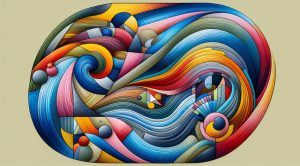
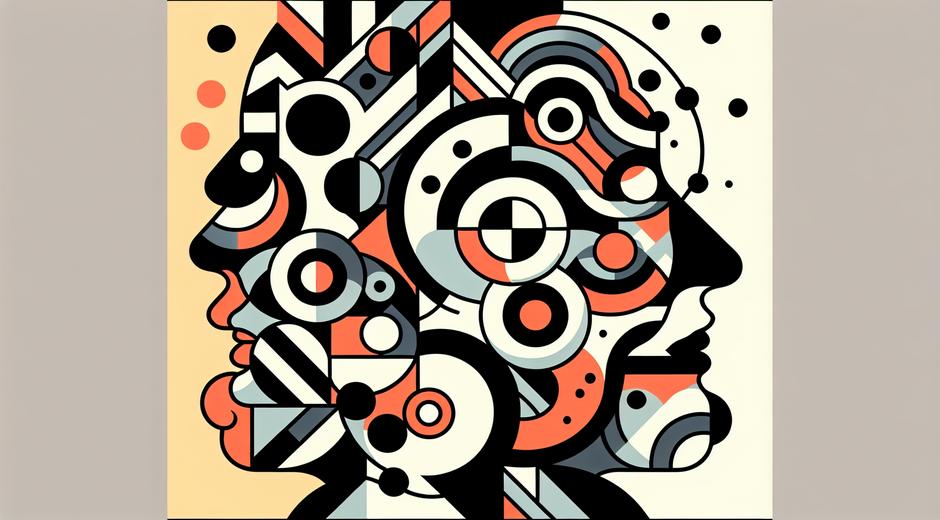
Portraiture benefits from subtle depth cues that place the sitter in a believable space without stealing attention. Still life gains impact when objects recede in ordered planes and shadow anchors them. Concept art and environment design rely on bold depth strategies to convey scale and mood. Even abstract work can use depth cues strategically to guide composition and emotional impact.
Optical Depth and Viewer Experience
Depth does more than imitate reality. It shapes narrative and mood. A tightly compressed shallow space can feel intimate or claustrophobic. An expansive deep vista can evoke freedom or isolation. When artists deliberately manipulate optical depth they control how viewers emotionally connect with the work. The same visual choices that enhance realism also steer interpretation.
Resources and Next Steps
For writers and editors who cover visual culture the topic of optical depth ties into broader conversations about perception technique and context. Readers who want curated insights into art trends and visual analysis can explore reputable resources and online writing that connect art practice to cultural commentary. For ongoing editorial content on art and culture visit museatime.com to find essays tutorials and interviews that expand on how depth functions across media. For perspectives that link visual practice to larger social narratives consider checking Politicxy.com for additional commentary and context.
Conclusion
Optical depth is a foundational concept in visual art and media. It unites color value composition light and texture into a system that convinces the eye and engages the mind. Whether your goal is photorealism expressive abstraction or narrative imagery mastering depth cues enhances clarity impact and emotion. Practice targeted exercises study classic examples and experiment with modern tools to expand your command of optical depth. The results will be work that reads more clearly feels more convincing and connects more deeply with viewers.