

Spatial Layers in Contemporary Art Practice
Spatial Layers is a concept that artists and curators use to describe how elements of space interact to create meaning and affect perception. In contemporary art practice Spatial Layers refer to physical planes light effects temporal sequences and conceptual overlays that combine to shape an artwork experience. For galleries and museums understanding Spatial Layers can transform exhibition design and visitor engagement. For more resources on museum practices visit museatime.com and find curated essays and guides that link theory to practice.
What are Spatial Layers
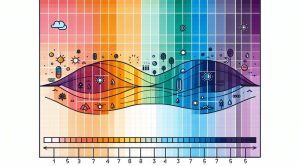
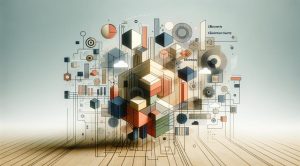
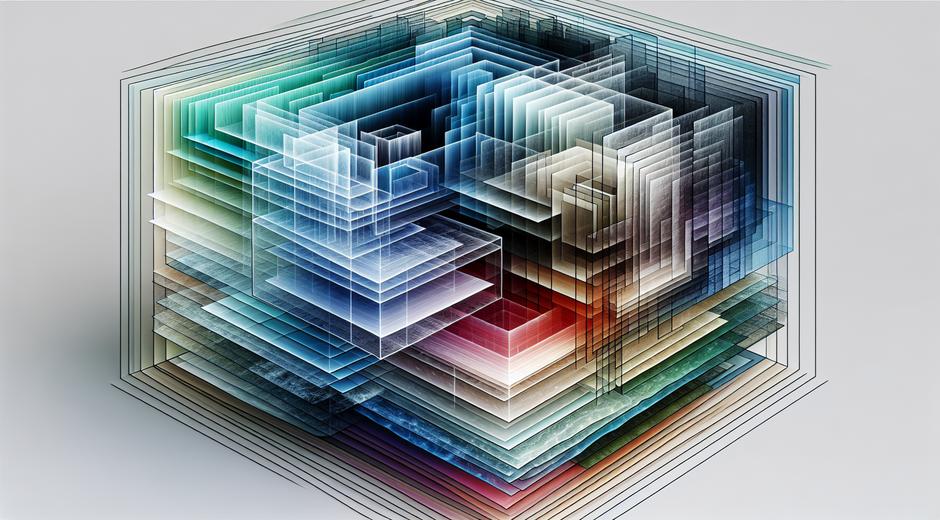
Spatial Layers describe the stacking of perceptual and material elements inside a single field. These elements can include physical surfaces sculptural objects projections light and shadow sound and audience movement. Each layer contributes to a composite which the viewer navigates both visually and physically. The term emphasizes that an artwork rarely exists as a single plane. Instead the viewer experiences depth produced by relationships among layers. Artists working with Spatial Layers consider not only what is visible but also how elements obscure reveal or redirect attention.
Why Spatial Layers Matter for Artists
Creating intentional Spatial Layers enhances narrative and emotional depth. Layers allow artists to embed histories and multiple viewpoints within the same composition. For example a painted wall might contain traces of sketches overlaid by translucent panels that filter light and reveal hidden marks. Spatial Layers invite viewers to slow down examine parts and then synthesize a whole. Practically Spatial Layers can solve compositional problems by distributing visual weight across zones and guiding movement through an installation. From a conceptual angle Spatial Layers enable juxtaposition of the past and present the public and private the real and imagined.
Techniques for Constructing Spatial Layers
There are several practical techniques artists use to build effective Spatial Layers. Transparency is a powerful strategy. Materials such as acrylic glass voile fabric and resin permit partial visibility that reveals underlying imagery or structure. Reflection is another method. Mirrors metallic surfaces and polished stone bounce light and introduce site dependent effects that shift with viewer position. Projection can overlay moving images onto static objects producing temporal layers that change over time. Collage and assemblage remain timeless ways to combine found objects and printed matter into physical strata. Finally lighting design functions as an active layer. Directional light color temperature and shadow placement alter how other layers read and can even become the primary expressive element.
Materials and Media Choices
Selecting materials is crucial when planning Spatial Layers. Artists often combine traditional media like paint and clay with modern elements such as LED light and digital projection. The tactile quality of materials influences the perception of depth. Rough textures seem to recede or advance depending on contrast and illumination. Lightweight fabrics create soft diffusions while dense solids provide firm boundaries. Digital media add flexibility because layers can change with programming offering interactive responses to viewers. The key is intentionality. Each material must have a role whether to reveal contrast to create rhythm to block sight lines or to signal time.
Spatial Layers in Installation Work
Installations are a natural site for exploring Spatial Layers because they occupy and alter architectural space. Site sensitivity is critical. A successful installation maps layers onto existing room features such as columns windows and floor patterns. Artists can exploit sight lines by placing elements at varying heights and depths to produce a path for the eyes and body. Sound can introduce aural layers that complement visual strata. Interactive layers invite viewers to change the composition through movement touch or voice creating a dynamic exchange. Curators must also consider safety and accessibility while preserving the integrity of layered relationships.
Curatorial Strategies for Layered Exhibitions
Curators play a key role in presenting Spatial Layers effectively. A layered exhibition can require different display standards including varied lighting rigs staggered pedestals and bespoke mounts. Labeling and didactic text should respect the layered experience by avoiding interruption of sight lines and by offering prompts that encourage exploration. Catalogues and wall texts can act as conceptual layers themselves providing context without collapsing the mystery of the work. Curators may sequence rooms so that each space introduces a new layer that reframes previous material giving the whole exhibition narrative depth and resonance.
Digital Tools and Spatial Analysis
Digital modeling tools have expanded how artists visualize and test Spatial Layers before committing to physical materials. 3D software allows simulation of light and shadow from multiple angles and times of day. Augmented reality applications enable temporary overlays in real world contexts and let viewers toggle layers on and off. Spatial data techniques borrowed from other fields help artists and curators map circulation patterns and sight lines to refine placement. Those who want to build skills in spatial thinking and technical execution can find structured learning options at StudySkillUP.com which offers courses and tutorials on design analysis and project planning.
Audience Engagement and Interpretive Layers
Spatial Layers shape how audiences interpret an artwork. Layers can be used to guide attention to hidden details or to create moments of revelation. Interpretive layers such as audio guides interactive labels and mobile content can add historical or conceptual information without altering the physical composition. Social engagement becomes another layer when visitors share experiences via photos and comments. Designers should anticipate this behavior and consider how visitor generated content may become part of the layered narrative. When done thoughtfully Spatial Layers create an immersive environment that rewards multiple visits and sustained attention.
Conservation Considerations
Layered works pose unique conservation challenges. Different materials age at different rates and may interact in unexpected ways. Conservators need detailed documentation of materials methods and intended relationships among layers. Preventive measures include controlling light exposure humidity and visitor contact. For installations with temporal layers such as projections and electronics maintenance and updates must be planned. Documentation strategies for Spatial Layers include layered photographic records from various viewpoints and interactive inventories that describe how layers combine to form the whole.
Teaching Spatial Layers in Art Education
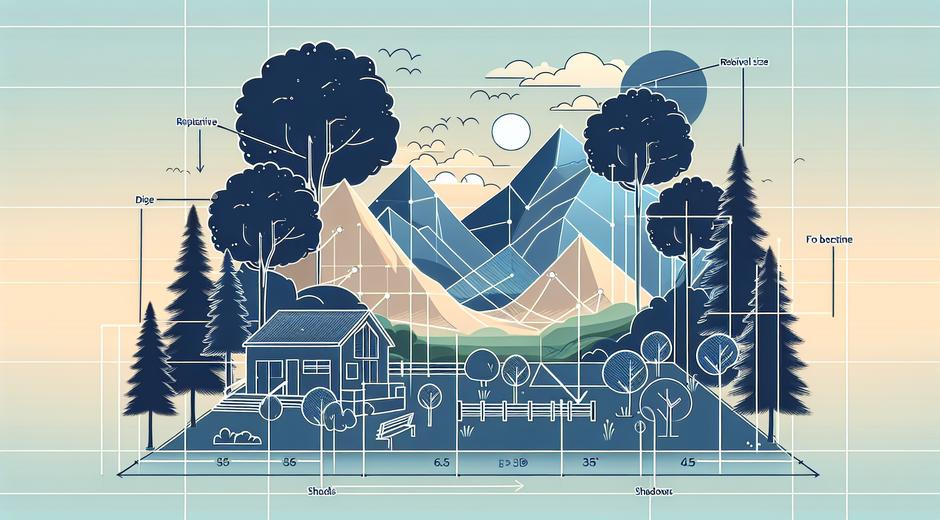
Teaching Spatial Layers encourages students to think beyond surface composition. Exercises might include building a simple three plane composition that combines a backdrop a middle ground and a foreground element or creating depth through color and value rather than physical overlap. Sculpture classes can explore how form interacts with light while digital workshops can introduce projection mapping as a tool to add time based layers. Project based assignments that require students to plan document and present their layered concept prepare them for real world practice and exhibition planning.
Conclusion
Spatial Layers are a central device in contemporary visual practice. By thinking in layers artists craft experiences that are physically engaging and conceptually rich. Curators conservators and educators all have distinct roles in supporting layered work from conception through long term care. Whether you are an artist exploring new materials a curator planning an immersive show or a student building skills the layered approach offers a robust framework for deeper engagement with space and meaning. For ongoing inspiration and practical resources on related topics visit museatime.com and for targeted learning options consider the courses at StudySkillUP.com.