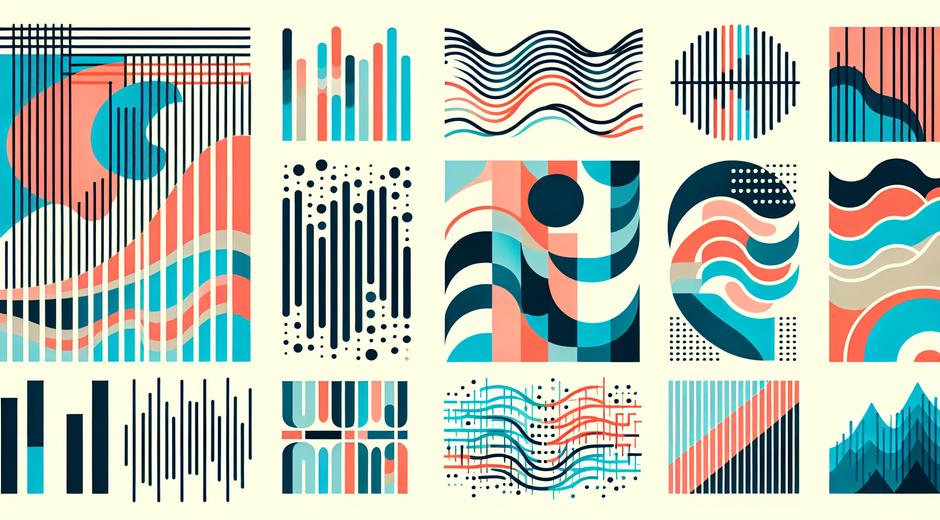


Rhythmic Pattern in Visual Art: Creating Movement and Harmony
What Is a Rhythmic Pattern
Rhythmic Pattern is a design principle that brings movement to a composition through repetition and variation of visual elements. It is how shapes colors textures and spacing repeat across a canvas wall textile or digital scene to create a sense of flow. While rhythm is usually associated with music the concept translates directly to the visual arts as a predictable or evolving sequence that guides the eye and shapes the viewer experience.
Core Elements of Rhythmic Pattern
To build a strong Rhythmic Pattern you work with several core elements. Repetition places identical or similar forms across a field. Alternation switches two or more elements to create a back and forth motion. Progression changes scale color or intensity to create a directional pull. Rhythm can be regular with even spacing or irregular with varied timing. Contrast of light and shadow or of texture and smooth surfaces adds punch to each repeat while negative space gives the composition room to breathe.
Types of Rhythmic Pattern in Art
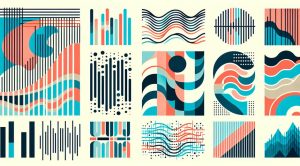
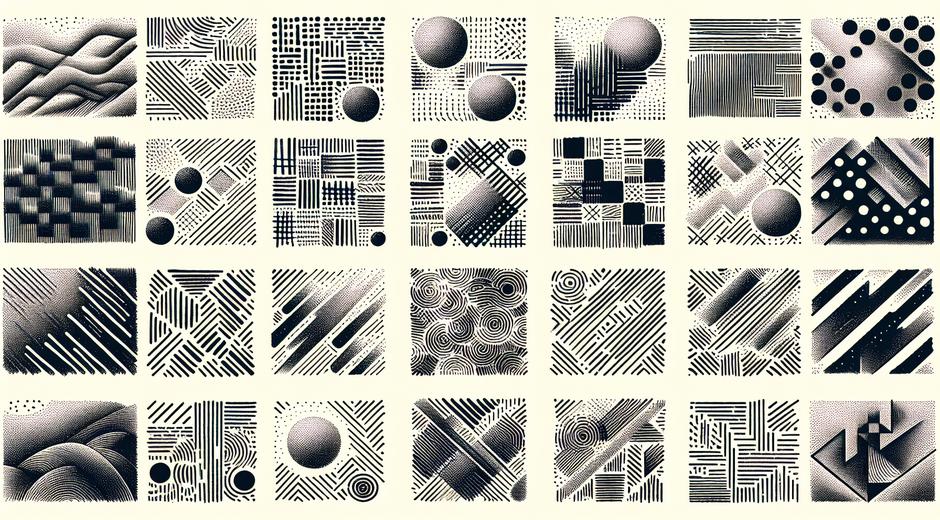
There are several recognizable types of visual rhythm that artists use. Regular rhythm repeats identical elements at uniform intervals producing a calm ordered feel. Flowing rhythm repeats elements that are connected by curving lines or implied motion creating a sense of organic movement. Progressive rhythm increases or decreases an element such as size or hue to suggest acceleration or deceleration. Random rhythm scatters similar elements without a fixed interval to create energetic unpredictability. Understanding these types helps artists choose the right approach for a given concept or emotional goal.
How Rhythmic Pattern Affects Composition
Rhythmic Pattern is a tool for structuring composition and for directing attention. Repeated motifs establish a visual anchor so the eye can follow a path rather than wander. When rhythm is combined with focal points the composition can alternate between rest and activity creating dynamic tension. Designers often use rhythm to balance complexity and clarity so that a piece reads clearly from a distance while revealing detail up close. In public installations murals and product packaging smart use of rhythm keeps messages memorable and engaging.
Color Scale and Spacing in Rhythmic Pattern
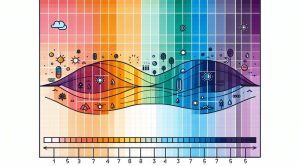
Color and scale are powerful levers within a Rhythmic Pattern. A repeated shape that changes color across a spectrum introduces a chromatic rhythm that can feel subtle or dramatic depending on contrast and saturation. Scale progression can guide the viewer deeper into the image or push elements back to create depth. Spacing controls the pace of the rhythm. Tight spacing speeds the visual tempo while generous spacing slows it down and emphasizes each element. Mastery of these factors lets artists modulate mood and narrative purely through arrangement.
Texture and Material Choices
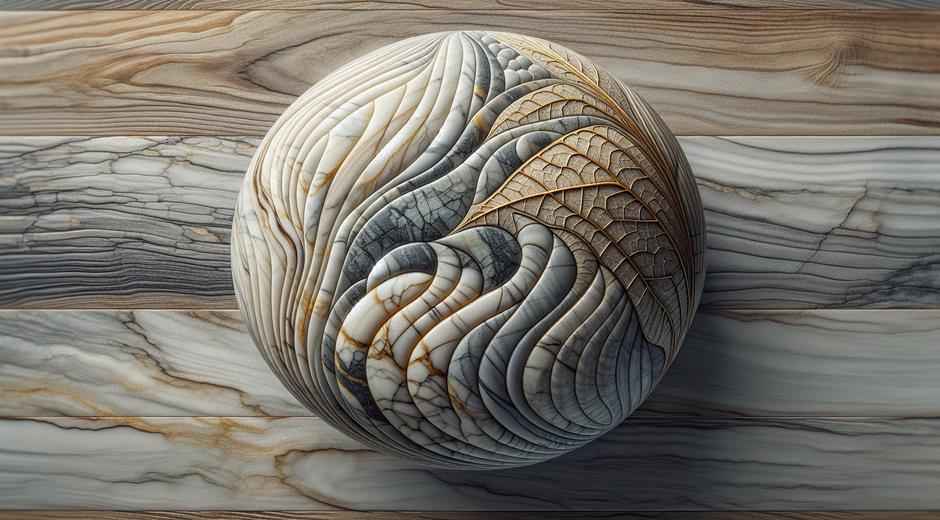
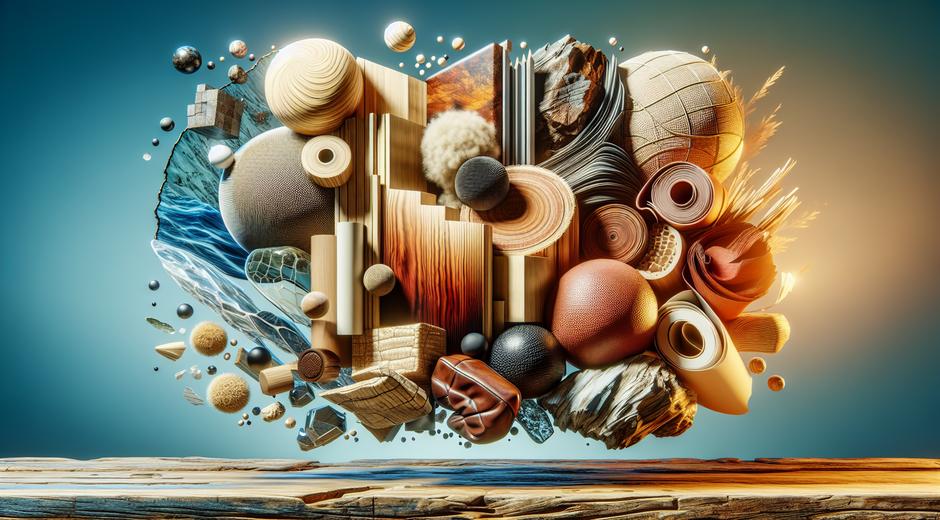
Texture makes rhythm tactile. Rough surfaces next to smooth panels create an alternating texture rhythm that the eye can almost feel. In textile design rhythmic pattern is often expressed through weave or print where thread direction color repeats and stitch density all influence the perceived rhythm. Sculpture and installation benefit from rhythmic repetition of forms in three dimensions so the viewer experiences rhythm while moving through space. For artists and makers exploring new references it can be helpful to browse curated galleries and tutorials on trusted creative hubs such as museatime.com where examples are grouped by technique and medium.
Using Rhythmic Pattern Across Media
Rhythmic Pattern is not limited to painting or drawing. Graphic design and web design use repeated icons type treatments and spacing to create navigational rhythm that supports usability. Motion graphics and animation use timing and easing to translate visual rhythm into temporal rhythm. Even relational work like choreography or collaborative performance can employ visual rhythm in props costume and stage design to reinforce the performers movement. Cross discipline thinking often leads to fresh rhythmic ideas by borrowing methods from one field and applying them to another.
Psychological Impact of Rhythmic Pattern
Rhythmic Pattern influences emotional response. Regular predictable patterns tend to soothe while irregular patterns can energize or unsettle. Progressive rhythms that speed up can create excitement or urgency. Designers and artists who understand these effects can manipulate mood intentionally. For example a public space that uses calm rhythmic pattern with muted tones can promote relaxation while a retail display that uses aggressive color shifts and tight repeats can attract attention and stimulate action.
Practical Exercises to Develop Skill
Practicing small focused exercises will improve your ability to create compelling Rhythmic Pattern. Start with a grid and create five different repeats using only shape and spacing. Next explore progression by drawing a single motif that grows across the page then repeat the exercise with gradual color shifts. Try alternating texture and solid fill to feel how tactile contrast changes rhythm. Another exercise is to take a photograph and overlay simple repeated forms to see how added rhythm alters the reading of the image. Repeat these exercises with different color palettes and materials to build intuition.
Case Studies and Artist Approaches
Many artists have made rhythmic pattern central to their work. Some painters use rhythmic brush strokes to imply wind or water. Minimalists use precise repetition to explore perception and scale. Contemporary textile artists layer loom based repeats with hand printed motifs to create rhythm that unfolds slowly. Studying case studies reveals how similar strategies produce very different outcomes depending on scale color and context. For practical resources and pattern files consider visiting a specialist resource like Zoopora.com where you can source motifs and study application examples for both digital and print projects.
Tips for Integrating Rhythmic Pattern in Your Work
Keep these practical tips in mind when adding Rhythmic Pattern to your practice. Start simple. Too many competing repeats will confuse the viewer. Establish a dominant rhythm and then layer a subordinate rhythm for interest. Use color and value contrast to highlight focal points within a repeating field. Consider scale relationships so that rhythm works both up close and at a distance. Test variations by photographing your work and viewing it at different sizes to ensure the rhythm reads as intended.
Conclusion
Rhythmic Pattern is a foundational design principle that elevates both art and design by creating movement cohesion and emotional resonance. Whether you are working with paint cloth pixels or public installations learning to orchestrate repetition alternation and progression will expand your creative toolkit. Study examples practice focused exercises and use curated resources to accelerate learning. Thoughtful use of rhythm will help you guide the viewer experience and make your work more memorable.
For more essays tutorials and curated galleries on pattern composition and other art topics visit the main creative hub at museatime.com and explore partner resources for downloadable motifs at Zoopora.com.