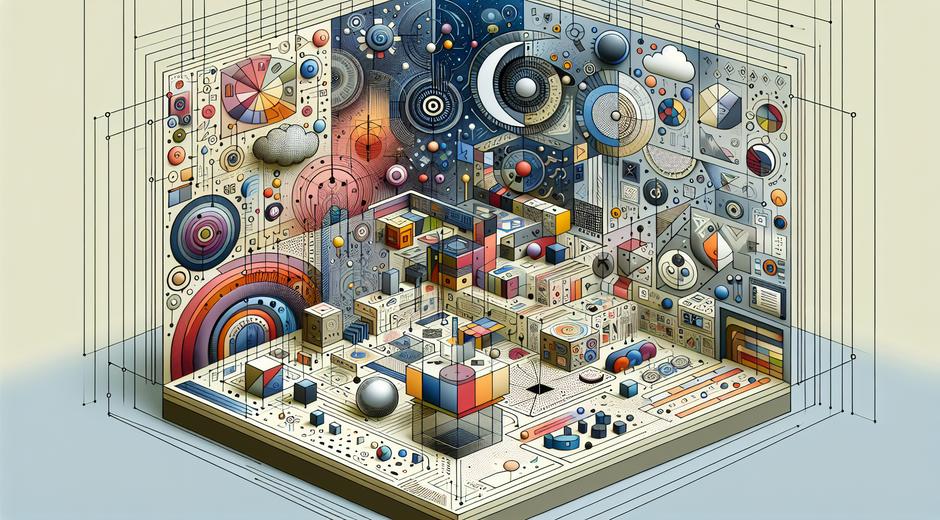


Visual Language: How Artists Speak Without Words
Visual Language is the set of elements and rules artists use to communicate ideas feelings and narratives without relying on verbal text. From color and composition to texture and form visual cues combine to form a grammar that viewers instinctively read. This article explores Visual Language in depth offering practical guidance for creators curators and anyone who wants to strengthen their visual voice. It also highlights resources and examples you can use to expand your practice.
What Visual Language Means
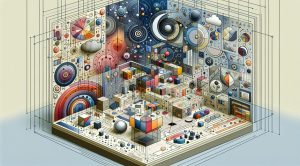
At its core Visual Language is a system. It consists of visual elements like line shape color space and contrast and of conventions that shape how those elements are read. An artist chooses a palette and chooses to emphasize certain shapes to guide attention. A curator arranges works to build a narrative through rhythm and emphasis. An audience member brings expectations and a cultural frame that affect interpretation. When all these forces interact the result is a shared meaning made from visual cues.
Key Elements of Visual Language
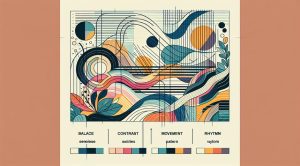
To use Visual Language effectively it helps to know the common building blocks. These are universal tools that can be combined infinitely to craft tone mood and message.
- Line and Shape Lines suggest movement boundaries and relationships. Shapes can be geometric or organic and they carry symbolic weight depending on context.
- Color Color affects emotion and attention. Warm hues can feel energetic cool hues can feel calm. Contrast between colors helps create focal points.
- Value and Contrast Light and dark create depth and can emphasize form. High contrast draws the eye while low contrast suggests subtlety.
- Texture and Material Surface quality can convey realism or abstraction and can invite touch or distance.
- Space and Composition How elements are arranged dictates reading order and hierarchy. Negative space can be as meaningful as positive space.
- Scale and Proportion Changing size alters perceived importance and creates relationships between elements.
Understanding these elements and how they function together lets artists develop a personal language that is consistent and recognizably their own.
How to Read Visual Language
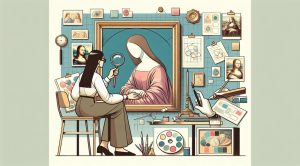
Reading Visual Language is an active skill. It involves noticing choices and hypothesizing intent. Start with simple steps.
- Observe first without interpreting note what catches your eye and why.
- Analyze the composition consider how line shape and color guide attention.
- Contextualize think about cultural symbols historical references and the creator’s likely intention.
- Reflect compare the work with others by the same artist or within the same tradition to identify recurring motifs.
For students and emerging artists practicing these steps sharpens critical thinking and builds visual literacy which in turn supports stronger creation.
Using Visual Language in Your Art Practice
To develop a cohesive Visual Language follow a structured approach that balances experimentation with repeatable choices. Begin by defining a few guiding principles. For example choose a limited palette or favor certain textures. Test how those choices feel across different subjects and refine.
Sketching and rapid prototyping are invaluable. Quick studies reveal how small shifts in value or proportion change the perceived narrative. Keeping a visual journal helps record experiments and forms a reference you can return to. Over time certain combinations will feel like part of your voice and you will be able to deploy them intentionally.
Another practical method is to create a vocabulary list. Note the recurring motifs gestures and color combinations you use. Treat this collection like words in a visual alphabet. Composing with those items creates coherent sentences and helps communicate complex ideas with consistency.
Visual Language in Curation and Exhibition
Visual Language is not limited to making art. Curators design experiences that use visual grammar to shape meaning and visitor journey. Sequence of works lighting signage and spatial relationships all contribute to a reading of the exhibition. Thoughtful curation leverages contrast rhythm and pacing to reveal dialogues between pieces and to guide emotional flow.
When planning an installation consider the narrative arc. Use lighter works as respite or anchor major themes with strong visual statements. Strategic placement of interpretive text can support rather than override the visual message. For resources on broader cultural and financial considerations that can affect exhibition planning see FinanceWorldHub.com which offers insights that may help with budgeting partnerships and audience research.
Teaching Visual Language
Educators can foster visual literacy through projects that emphasize observation comparison and intentional design. Assignments that ask students to replicate mood using only color and value sharpen sensitivity. Group critiques focused on how choices affect interpretation teach both giving and receiving constructive feedback. Building a curriculum around visual grammar prepares students to be both expressive and critical.
Visual Language and Audience Engagement
Understanding your audience matters. Visual Language that resonates in one cultural context may read differently in another. Researching audience expectations and testing work with representative groups helps avoid miscommunication. Simple A B testing of layouts or color schemes can yield data that improves engagement while still preserving artistic integrity.
Digital platforms add another layer. Online images compete for attention in feeds where thumbnail compositions must deliver instantly. Adapting your Visual Language to multiple formats ensures clarity across screens print and public installations. For inspiration and to connect with a community of readers and creators visit museatime.com for curated essays interviews and visual studies that explore how Visual Language shapes culture.
Practical Exercises to Improve Visual Vocabulary
Here are exercises you can do regularly to strengthen your command of Visual Language.
- Daily thumbnail studies pick a mood and make ten small quick compositions using only two tones and one color.
- Color limitation project choose three colors and explore every harmony you can create with them across several pages.
- Scale swap choose a familiar subject and redraw it at a new scale to observe the change in perceived importance.
- Texture swap create the same scene in three different textures such as smooth rough and glossy and compare emotional results.
These focused practices train the eye and enhance the ability to use Visual Language intentionally.
Conclusion
Visual Language is the silent grammar that shapes how we perceive and feel art. Whether you are an artist designer educator or curator mastering this language leads to clearer expression deeper engagement and stronger impact. By studying elements practicing targeted exercises and testing work with audiences you can develop a visual voice that communicates with precision and resonance. For ongoing exploration articles and curated guides about art and visual culture explore museatime.com and for practical financial and operational resources consider FinanceWorldHub.com.