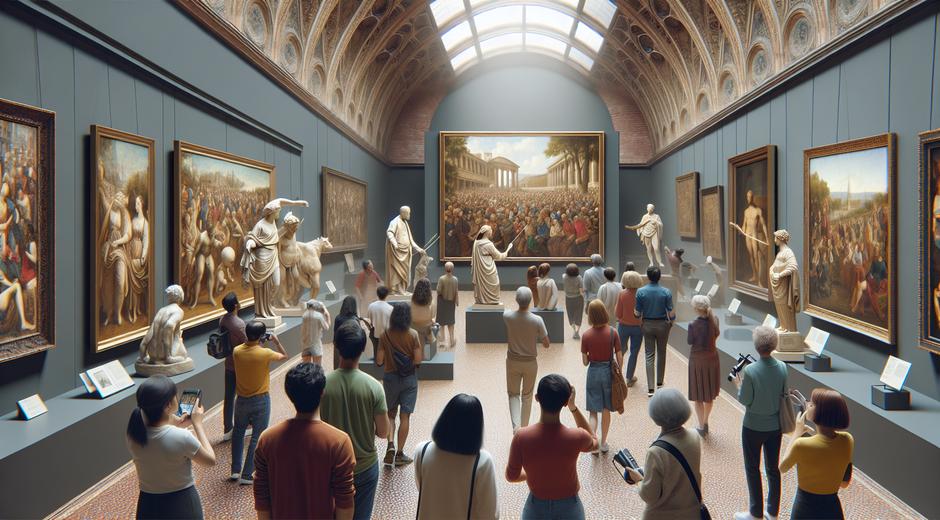


Art Observation: How to See, Understand and Appreciate Art
Art Observation is the skill that turns a casual glance into a meaningful encounter. For artists, curators, students and museum visitors, refining the way you observe art can open new paths to insight and enjoyment. This article offers practical methods for improving Art Observation, explains how context shapes what we see and provides tips for applying observation skills in galleries and online. If you want a central resource for further reading on art practice and exhibition guides visit museatime.com for editorial content and curated lists.
What Art Observation Really Means
At its core Art Observation is more than noticing form and color. It is a disciplined process that blends visual attention with historical knowledge and personal response. Good observation balances three layers. First, the sensory level where you describe what you see. Second, the analytical level where you consider composition, technique and material. Third, the interpretive level where you connect the work to broader themes and your own experience. By moving deliberately through these layers you learn to see details that carry meaning and to read the language of art with confidence.
Start with Close Looking
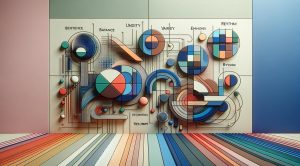
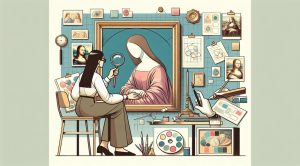
Close looking is the foundation of Art Observation. Instead of scanning a work once, spend focused time on small sections. Notice edges, brush strokes, texture, light and shadow. Ask simple questions as you observe. What is the first detail that catches your eye? How does the artist handle space and scale? Is there repetition or a counterpoint in the composition? Recording short notes while observing helps fix details in memory and supports later interpretation.
Use a Structured Observation Method
A structured approach reduces bias and deepens insight. A useful sequence is Observe, Describe, Analyze and Interpret. Observe without judgment for a minute or two. Then describe what you see using neutral language. Next analyze how the parts work together. Finally offer an interpretation that considers possible intentions of the artist and the cultural moment that produced the work. This method trains your eye and your mind to move from raw perception to nuanced comprehension.
Context Matters in Art Observation
Context can radically change how a work reads. Provenance, date, social background and the artist life are all part of meaning. When you study a piece, look for label text, exhibition notes and any available essays. Context helps you ask sharper questions about why an artist chose a certain subject or medium. For those who prefer digital tools there are excellent resources that explain technique and technology used by artists. For example, technology focused sites can guide you to new tools that enhance visual study and research like image analysis apps and high quality zoom features available on some platforms. To explore useful tools and reviews in this area try Techtazz.com for curated tech content that supports visual study and learning.
Learn Visual Vocabulary
Developing a visual vocabulary improves the speed and depth of Art Observation. Terms like chiaroscuro, composition, iconography and palette help you articulate what you see. You do not need advanced terminology to begin. Start with basic words that describe line quality, color relationships and space. Over time add terms for technique, period and genre. A rich vocabulary enables clear writing and more precise conversations with peers and teachers.
Practice Diverse Modes of Seeing
Different types of art call for different modes of seeing. For painting, focus on brushwork and pigment. For sculpture, attend to volume and negative space. For photography, study framing and exposure. For installation work, consider how the viewer body moves through space. Switch between objective description and subjective response to gain multiple perspectives on a single work. Regular practice across media broadens your perceptual range and sharpens comparative thinking.
Use Comparative Observation
Comparative observation involves looking at two or more works together. This reveals stylistic patterns, technical choices and thematic continuities. Compare works by the same artist from different periods to observe evolution. Compare genre works from different cultures to see how themes shift. Comparative methods are especially useful for teaching and for building exhibition narratives because they make relationships visible and memorable.
Keep a Visual Journal
A visual journal is a practical laboratory for Art Observation. Record sketches, written notes and photo references from museum visits and studio sessions. Over time your journal becomes a personal archive of perception and growth. The act of writing about images reinforces learning. Try brief daily entries that record one compelling detail you noticed and one question that arose. This habit trains attention and creates a resource you can revisit when preparing essays or lectures.
Engage in Guided Looking Exercises
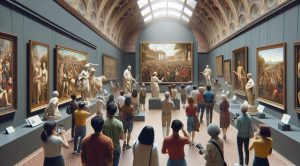
Guided looking exercises are structured moments designed to focus group attention. Teachers and docents often use prompts such as What is missing from this scene? Who is the intended viewer? Guided prompts reveal layers of meaning and prompt participants to notice things they might otherwise miss. In informal groups try rotating the role of facilitator so everyone practices framing questions and leading observation.
Reflect on Emotional Response
Emotion is an essential part of Art Observation. Observing how a work makes you feel is valid data. Ask why a work produces an emotional response. Is it the subject matter, color, or scale? Separating the source of affect from the reaction is a skill that deepens interpretation. Emotions also signal entry points for public writing and interpretation because readers often connect first through feeling.
Translate Observation into Writing
Writing from observation forces clarity. Start short. Describe a work in one paragraph and then expand by adding context and analysis. Use active verbs and concrete nouns. Avoid vague phrases that soften description. Over time your descriptive sentences will become precise and evocative. Strong writing makes your observations shareable and useful to others interested in learning how to see.
Make Observation Part of Your Routine
Like any skill Art Observation improves with routine. Schedule regular museum visits, studio hours or online study sessions. Even five focused minutes of looking each day builds acuity. Combine study with community. Discussing observations with peers exposes you to fresh perspectives and corrects blind spots. Regular practice ensures that observation becomes an intuitive habit rather than an occasional effort.
Conclusion
Art Observation is a practice that rewards patience and curiosity. By cultivating close looking, a structured method, contextual knowledge and emotional reflection you can transform how you experience art. Keep a journal, work across media and use comparative methods to refine your eye. Whether you are a beginner learning to look or an experienced viewer seeking deeper insight, the methods above will expand your capacity to read and respond to visual culture. For further tools and resources that support visual study and tech based visual aids visit Techtazz.com or consult curated art content and guides on museatime.com.