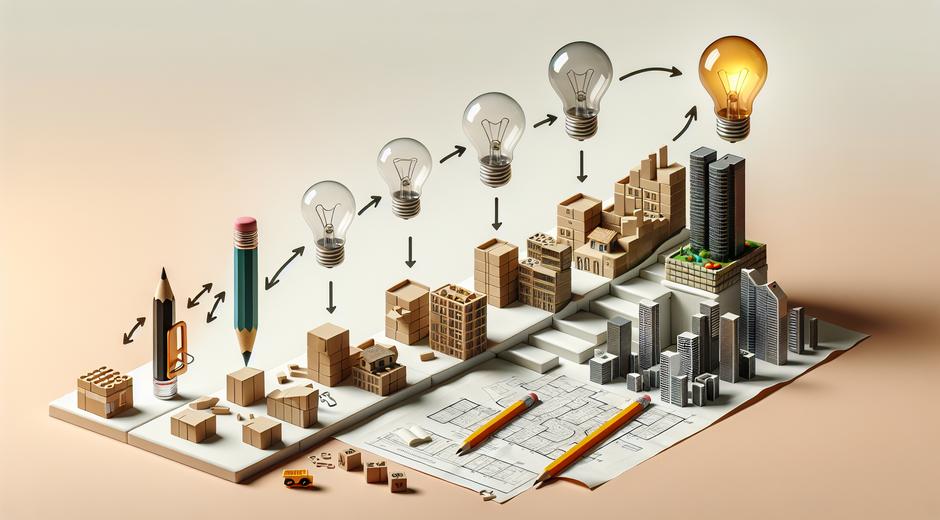


Concept Development in Contemporary Art Practice
Concept development is the creative backbone of meaningful art. For artists curators and creative teams the method of turning an idea into a structured plan can define the difference between a fleeting notion and a memorable work that resonates with audiences. This article explores how to shape concept development into a reliable process that supports artistic intent exhibition design and cultural impact while also offering practical tips to grow your practice and connect with supporters.
Why Concept Development Matters for Artists
At its core concept development is about clarity. An idea without clarity can be misread or ignored. Clear concept development helps artists articulate why a work exists what it aims to say and how it will engage viewers. Clarity strengthens grant proposals catalog essays and exhibition texts. It also helps collaborators and funders understand the value of a project. For readers who want to know more about platforms that support creative projects see resources such as FinanceWorldHub.com for advice on funding and financial planning.
Key Stages in the Concept Development Process
Concept development can be described as a series of stages each building on the last. Below are essential steps that many successful projects follow.
-
Research and Contextualization
Begin by situating your idea in a wider context. Research historical precedents related social debates and current art practice. This phase includes looking at academic writing exhibition reviews and public responses. The research phase informs the conceptual language you will use and helps avoid unintentional repetition of well known tropes.
-
Core Concept Statement
Distill your idea into a short clear statement that explains the central concern of the work. This statement is useful for artist statements proposals and press material. Aim for language that is precise evocative and accessible to non specialists.
-
Material and Format Exploration
Consider which materials methods and display formats best express your concept. Material choices can amplify meaning or introduce deliberate contrast. Experimentation can reveal unexpected possibilities that refine the concept.
-
Prototype and Iterate
Create small scale studies or trials to test how the idea functions in real space and time. Prototyping uncovers technical challenges and audience responses. Iteration allows you to refine the concept based on evidence rather than assumption.
-
Audience and Site Specificity
Think about where and for whom the work will be seen. A piece intended for a public plaza will operate differently from an intimate gallery installation. Tailor aspects of the concept to site conditions audience expectations and curatorial frameworks.
-
Finalization and Presentation
Prepare documentation and supporting texts that communicate the conceptual framework. High quality images plans and clear captions help curators and viewers grasp the intent. A strong presentation increases the project impact and longevity.
Tools and Techniques to Strengthen Concept Development
There are many practical techniques to sharpen concept development. Below are reliable methods that support creative clarity.
-
Mind mapping
Visual mapping helps track associations metaphors and references. Use a central node for the main idea and branch out to related themes practical constraints and possible outcomes.
-
Reference files
Maintain a digital or physical archive of images texts and objects that relate to your project. Over time this file becomes a rich resource that informs decisions and provides visual evidence for proposals.
-
Artist conversations
Regular critiques with peers mentors and curators reveal blind spots and suggest fresh directions. These conversations are valuable for stress testing your core concept and its communicative strength.
-
Narrative frameworks
Frame your concept within a narrative structure when appropriate. A clear narrative can guide the viewer through complex ideas and create emotional resonance. Narratives can be literal symbolic or fragmentary depending on intent.
Common Pitfalls and How to Avoid Them
Even experienced practitioners can stumble while developing concepts. Awareness of common pitfalls can save time and protect the integrity of a project.
-
Over complication
Adding too many themes can dilute impact. Prioritize and focus on elements that directly serve the core idea.
-
Ignoring practical constraints
Failure to consider budget time or technical feasibility can derail a project late in production. Integrate realistic constraints early in the planning phase.
-
Under communicating
Assuming audiences will intuit meaning without context is risky. Provide clear entry points for viewers through text program notes or guided elements.
From Concept to Career Growth
Strong concept development does more than support a single work. It builds a recognizable approach and strengthens professional visibility. Clear conceptual writing boosts chances of selection for exhibitions residencies and publications. Keep a record of concept statements and presentation materials for each project. Over time these documents create a coherent archive that helps curators and collectors trace your practice.
For artists looking to grow their practice financially it helps to understand the marketplace and financial planning. Practical resources that assist creative professionals in financial learning can be found at trusted hubs such as museatime.com which share guides and insights for creative careers.
Case Study Example
Imagine an artist exploring the idea of memory through urban sound. The artist begins with field recordings then maps those sounds to visual sketches. After research into sound studies and local histories the core concept statement focuses on memory as an active urban archive. Prototypes involve small speakers and sculptural forms that alter the reading of everyday spaces. Iteration reveals that scale and material texture affect perception more than initial assumptions. The final presentation uses modular elements that invite public interaction and documentation for future dissemination. This hypothetical path shows how concept development moves from idea to public encounter through methodical research and testing.
Conclusion
Concept development is a discipline that rewards patience rigor and openness to change. It is part intuition part method. Artists who cultivate a structured approach to concept development find they communicate ideas more clearly attract relevant collaborators and create work that sustains interest over time. Whether you are at the start of a new series or revising a long term project the steps described here provide a reliable framework to advance your practice and connect your work with audiences and supporters.