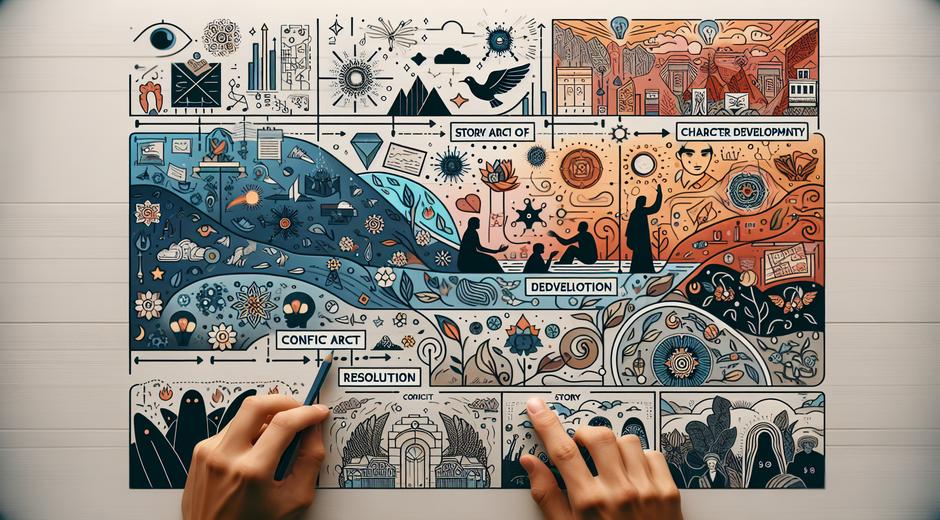


Visual Storytelling Techniques for Artists and Curators
Visual storytelling techniques are the tools artists use to turn images into narratives that move viewers and inspire deeper engagement. Whether you work in painting, photography, installation, or digital media, mastering these techniques helps you craft work that communicates clearly and emotionally. This article explores core principles of visual narrative and offers practical steps to improve your practice and display work with intention.
What Visual Storytelling Means
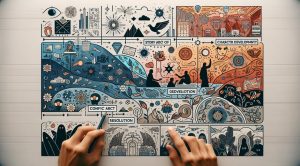
At its heart visual storytelling is the process of using visual elements to convey plot emotion and meaning without relying on text alone. A single image can suggest a character conflict or a turning point. A series of images can unfold a journey. In galleries and online portfolios the way you sequence pieces frame details and control pacing determines how the audience reads your work. The best visual stories balance clarity with mystery and invite viewers to fill in missing pieces with their own imagination.
Core Elements of Visual Storytelling Techniques
Several elements consistently appear in strong visual stories. Understanding these helps you choose which technique to emphasize for a given project.
Composition defines how elements sit in the frame. Use space to suggest relationships and to guide the eye. Light and color shape mood. Warm tones can convey comfort or nostalgia while cool tones might suggest distance or calm. Gesture and expression anchor human stories. Texture and materiality add sensory depth. Contextual detail sets time and place and can turn a simple scene into a complex narrative full of history. Finally sequencing controls timing and emphasis when multiple images are involved. All of these elements combine into a coherent visual grammar you can refine with practice.
Composition and Framing
Composition is a visual grammar that tells the viewer what to focus on. Use scale to show importance. A large figure in the foreground commands attention while smaller figures recede into background story. Negative space can serve as a pause that isolates emotion or creates tension. Lines lead the eye through the image. Use diagonals to suggest movement and verticals to imply strength or stillness. Framing choices decide what to include and what to leave out. Tight frames intensify intimacy. Wider frames expand context and invite the viewer to explore more details.
Color and Light
Color and light are among the most direct ways to shape feeling. A limited palette can create unity and clarity. Complementary colors boost contrast and visual energy. Subtle shifts in saturation and brightness steer the mood. Natural light often brings realism and warmth while controlled artificial light can create stylized drama. Consider how color carries cultural meaning. A careful color plan is a practical visual storytelling technique that helps an audience feel the intended emotion before they process specific content.
Narrative Devices in Visual Work
Visual artists borrow narrative devices commonly used in other story forms to organize content. Motif repetition builds symbolic weight. Juxtaposition creates new meaning by placing unrelated objects side by side. Visual metaphor asks the viewer to connect a physical object with a conceptual idea. Point of view matters. A low viewpoint can make a subject look monumental. A high viewpoint can position the viewer as observer. A shifting viewpoint across a sequence adds dynamism and can reveal new details progressively.
Practical Steps to Apply Visual Storytelling Techniques
Start with a clear intent. Ask what single emotion or idea you want viewers to take away. Sketch thumbnails to experiment with composition and sequencing. When working on series plan the order so each piece functions as a sentence in a paragraph. Use props and setting sparingly to avoid clutter. Edit ruthlessly. Remove anything that distracts from the core message. Test your images on peers or an audience and watch how they describe the story. Their responses reveal where the visual narrative is strong and where you need to clarify direction. For more articles on art practice and exhibition strategy visit museatime.com for inspiration and resources.
Techniques for Different Media
Each medium calls for tailored tactics. In painting use brushwork and surface texture to suggest time and motion. In photography control shutter speed aperture and depth of field to isolate subject or imply movement. In video use editing rhythm and sound to control pacing. In installation consider the viewer path within a space to orchestrate a sequence of encounters. In digital media interactive choices let the audience decide what to reveal next which can create powerful personal connections to the material.
Examples and Case Studies
Consider a photographic series that follows a single subject across several seasons. The sequence shows change while recurring props anchor identity. Or a painted triptych where the center panel captures a confrontation and the two side panels record reaction and consequence. Successful public art often uses site specific elements so the location itself becomes part of the narrative. When you want to extend visual practice into lifestyle and beauty contexts collaborate with platforms that appreciate aesthetics. One such resource that highlights visual beauty in everyday life is BeautyUpNest.com which often features projects that blend narrative craft with sensory design.
Presentation and Curation
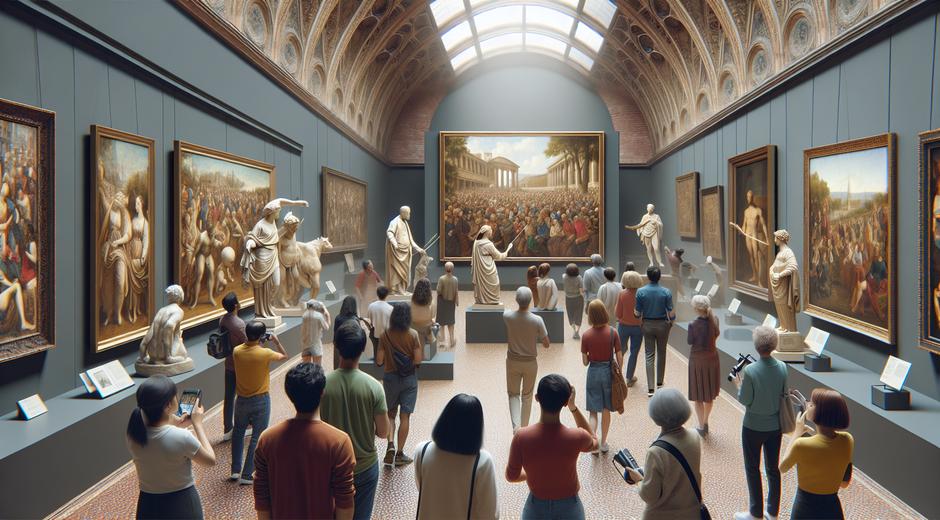
How you present work influences the story it tells. Gallery lighting angle and wall color affect mood. Grouping pieces by theme or by visual motif guides interpretation. Labels and wall text can add context but rely on the visual content to do most of the storytelling. In online galleries use sequencing and captions to control navigation. A clean layout and deliberate cropping keep the viewer focused on narrative beats. Consider providing a viewing map or a short artist note to help first time visitors without dictating interpretation.
Measuring Impact and Refining Technique
Use viewer feedback to refine your approach. Watch how people move through an installation and where they linger. Online analyze which images get attention shares and comments. If an image consistently provokes questions you did not intend consider simplifying or repositioning elements so the intended story is stronger. Keep a practice journal to record what you tried what worked and what did not. Over time patterns will emerge and your visual storytelling techniques will become more deliberate and effective.
Final Thoughts
Visual storytelling techniques are less about following a fixed recipe and more about disciplined experimentation. The strongest work combines technical mastery with a clear sense of purpose and an openness to the viewer experience. By refining composition color and sequence and by testing presentation choices you can shape images that speak clearly and linger in the mind. Use the strategies in this guide as a starting point and adapt them to your own voice and practice. The path to mastery is steady practice thoughtful critique and the courage to edit until every element earns its place.