

Installation Art Concepts: A Practical Guide for Creators and Curators
Installation art has become a central practice within contemporary art practice by offering immersive experiences that alter the way viewers relate to space time and materials. Understanding core installation art concepts helps artists shape meaningful encounters and helps curators present works that communicate intent with clarity. This article explores essential ideas behind installation art and provides practical guidance for artists curators and students who wish to develop stronger projects.
What Defines an Installation
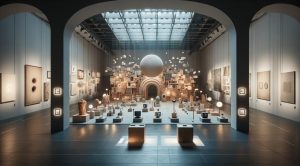
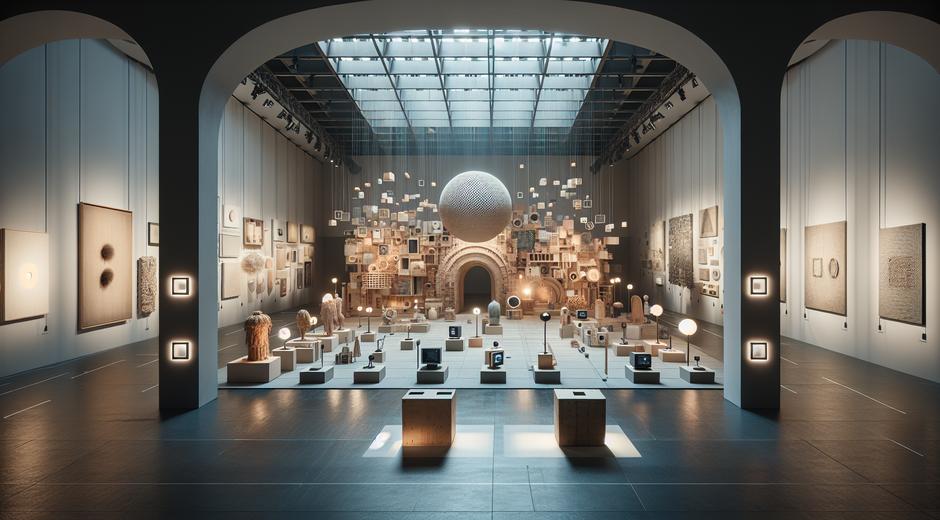
An installation is a three dimensional environment created to transform a viewer perception of space. Unlike objects meant to be observed on a pedestal an installation surrounds or engages the audience physically and conceptually. Key elements that define this form include scale arrangement material choices and the relationship between object and viewer. While some installations invite movement others require a quiet presence. Both strategies rely on careful choreography of space and time.
Spatial Narrative and Flow
One of the most important installation art concepts is spatial narrative. This refers to the story that unfolds as a viewer moves through the work. Consider the sequence of views the placement of light and shadow and the transitions between zones inside the installation. Designers can control pacing by arranging focal points and thresholds so that attention moves from one element to another in a deliberate order. Good spatial narrative invites discovery and encourages viewers to return to certain points to deepen understanding and feeling.
Material Choice and Tactility
Materials are not neutral in installation practice. Each material brings associations and sensory qualities that shape interpretation. Metal can suggest industry or permanence while fabric can evoke intimacy and shelter. The tactile quality of surfaces influences how people feel as they move through a space. Artists who work with sensory contrast for example pairing reflective surfaces with soft textiles create tension and emphasis. Experimentation with unconventional or recycled materials also opens conceptual pathways about consumption memory and environment.
Sensory Engagement Beyond Sight
Installation art concepts encourage artists to map the full spectrum of sensory experience. Sound scent temperature and touch can be integrated to create richer immersive fields. Soundscapes may provide rhythm and emotional tone while scent can trigger memory and association in subtle but powerful ways. Sensory layering invites a deeper bodily response and often makes the work more memorable. When adding sensory elements think about accessibility and how to make experiences inviting for diverse audiences.
Interactivity and Audience Agency
Interactivity is a broad term in installation practice. It can range from passive forms where viewer presence simply activates a change to active forms where participants rearrange parts of the installation or contribute content. When planning interactive features decide what level of agency you want to give the visitor and how their action relates to the conceptual core of the work. Well designed interactivity feels intuitive and meaningful instead of gimmicky.
Site Specific Concepts
Site specific thinking is central to many installation art concepts. This means designing work in conversation with a particular location architecture history and social context. A successful site specific project acknowledges the existing conditions and often reveals previously unnoticed aspects of a site. Research is essential. Investigate local narratives regulations and physical logistics long before you arrive. Learning the cadence of a place will help you shape interventions that feel rooted and resonant.
Temporality and Duration
Time is a flexible tool in installation art. Some projects are ephemeral lasting only a few hours or days others remain for months or longer. Temporality affects how audiences engage and how the work is documented for future viewing. Consider whether you want the work to change over time through weather interaction decay or audience contribution. The life span of an installation can itself become part of the concept offering commentary on impermanence memory or renewal.
Lighting and Atmosphere
Light is a potent element for shaping mood and perception within an installation. Hard directional light creates contrast and focus while diffuse light softens transitions and supports contemplation. Color temperature influences psychological response and can point to thematic content. Lighting design must also address conservation and safety. Planning lighting from early stages ensures that electrical needs mounting and programming are integrated with the overall concept not added as an afterthought.
Documentation and Legacy
Because installation works are often time based or immersive proper documentation is vital. High quality photography video and written texts help the work reach wider audiences and support future scholarship. Documentation is not a neutral record. Choices about angle duration and editing influence how the work is remembered. Engage a documentarian who understands the intention of the piece and plan for documentation during initial rehearsals to capture authentic moments.
Curatorial Considerations
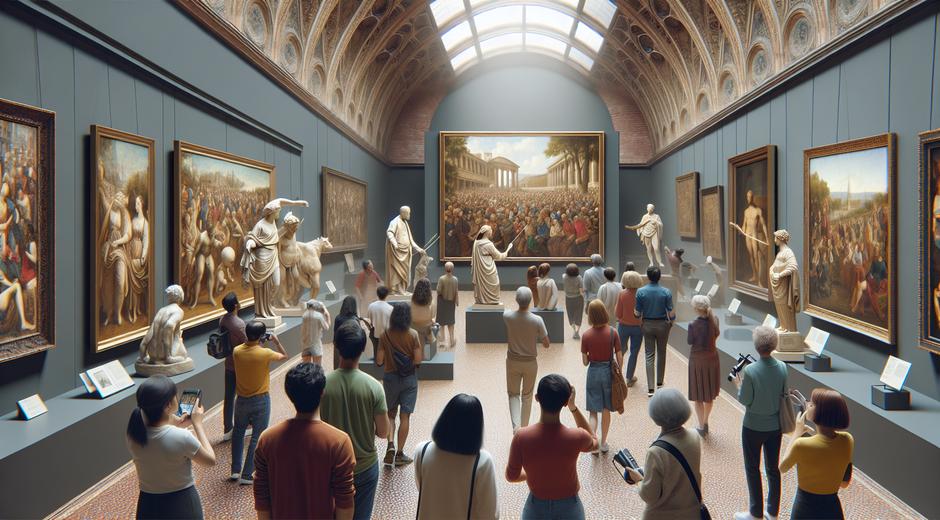
Curating installations requires a balance of artistic freedom and logistical management. Curators must negotiate spatial constraints budgets and institutional policies while advocating for the integrity of the artist idea. Consider circulation clearances and sight lines and how different works relate when displayed in sequence. Effective curatorial practice includes robust communication with artists early and often and a willingness to iterate solutions that honor concept and audience safety.
Sustainability and Ethical Practice
Sustainability is an increasingly central concern for artists and curators. Installation art concepts now often include choices about low impact materials energy efficient technologies and reuse strategies. Ethical practice also covers how artists engage communities particularly in site specific projects. Consent credit and fair compensation matter. Thoughtful practice acknowledges the environmental and social footprint of a project while seeking creative ways to minimize harm.
Collaborative Models and Community Engagement
Many installation projects thrive when conceived through collaboration. Working with architects engineers technicians and community members expands technical capacity and enriches conceptual development. Community engagement can create a deeper sense of ownership and ensure that the work has cultural relevance. Establish clear roles expectations and agreements about authorship and stewardship to support sustainable partnerships.
How to Start Developing Your Own Installation
Begin with a strong question or feeling you want to explore and sketch simple prototypes. Test material combinations at small scale and invite feedback from peers. Visit likely sites and imagine how people will move through a proposed layout. Create a modest budget and timeline that includes contingency and documentation. For inspiration and resources visit sites that publish interviews and case studies including museatime.com where you can find essays and profiles on contemporary installation practice. For technical tools and fabrication services consider specialized suppliers and platforms such as Chronostual.com which can assist with materials and equipment planning.
Final Thoughts
Mastering installation art concepts is an ongoing process of experimentation reflection and collaboration. The most compelling installations are those that consider how space material time and audience combine to form an experience that lingers in memory. Whether your goal is to provoke wonder to create quiet contemplation or to engage a community the design choices you make will determine how effectively your work communicates. Keep refining your practice stay curious about new materials and technologies and document each project carefully so your ideas can evolve and reach broader audiences.