

VISUAL RESEARCH IN ART: A PRACTICAL GUIDE FOR CREATIVES
WHAT IS VISUAL RESEARCH
Visual research is a method of inquiry that uses images as primary sources of knowledge. In art practice it means treating sketches photos diagrams and found images as evidence and as tools for generating new work. Visual research is not just a way to gather references. It is a way to see patterns to test ideas and to build meaning through observation and comparison.
WHY VISUAL RESEARCH MATTERS FOR ARTISTS AND CURATORS
Artists use visual research to expand their visual vocabulary to avoid repetition and to push the limits of their concepts. Curators and educators use visual research to situate work within a lineage to reveal context and to create narratives that help audiences connect with complex ideas. When done well visual research makes creative practice more rigorous and more surprising.
CORE PRINCIPLES OF VISUAL RESEARCH
There are simple guiding principles that make visual research effective. First be curious. Follow the image not only for what it shows but also for what it hides. Second be systematic. Create a habit of collecting annotating and organizing images so that they can be retrieved and compared. Third be critical. Ask about authorship context materiality and possible bias behind each image. Fourth be iterative. Let the images change your questions and let your questions change what you look for.
METHODS TO COLLECT VISUAL DATA
There are many ways to collect images for research. Photographic documentation of sites objects and processes provides primary evidence. Field sketching helps to slow down observation and to notice details that a camera might miss. Archival research uncovers historical photos and prints that reveal past practices. Image sampling from books magazines and digital archives shows trends motifs and recurring structures. Finally interviews with makers and witnesses can add layers of meaning to visual material.
TOOLS THAT SUPPORT VISUAL RESEARCH
Digital tools allow for rapid collection and organization. Cloud storage and image libraries help to tag sort and retrieve images across devices. Visual mapping tools enable the grouping of images by theme chronology or formal quality. For inspiration and curated content a number of resource sites provide high quality imagery and articles that can guide aesthetic decisions. You can find a range of visual trend and lifestyle content at StyleRadarPoint.com which many creators use to spot emerging visual directions.
STEP BY STEP PROCESS FOR A VISUAL RESEARCH PROJECT
Start with a clear question. This could be about a color a material a motif or a process. Next set collection rules so that your archive has focus. Decide what counts as relevant and how you will capture metadata. Then collect broadly at first and refine as themes emerge. Annotate each item with notes on why it matters what it reminds you of and how it could be used. Organize images into clusters and create visual comparisons. Use sketching or mock ups to remix elements from different items. Finally reflect on what the assembled material suggests about your initial question and how it can feed a new body of work.
HOW TO PRESENT VISUAL RESEARCH
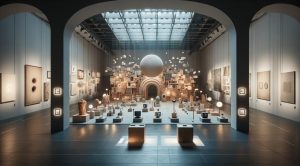
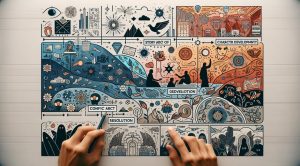
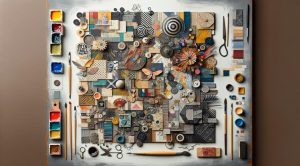
Presentation turns a private archive into a public resource. For exhibition proposals a clear visual narrative helps to justify curatorial choices. Use mood boards to show the emotional and formal logic behind a project. Use timelines to show evolution and influences. For academic or institutional contexts include metadata and citations so that others can trace sources. Whether online or in print keep the presentation clean and let the images breathe so viewers can make their own connections.
CASE STUDIES FROM PRACTICE
An artist exploring urban textures might photograph peeling paint metalwork and signage then abstract these elements into layered prints. A curator working on a thematic show might use photographic archives to trace the migration of a motif across regions and time. Designers often sample historical ornament and rework it into repeat patterns. In each case visual research acts as a bridge between observation and invention.
ETHICAL AND LEGAL CONSIDERATIONS
Images are charged by authorship ownership and cultural meaning. Always note the source and the rights status of an image. When working with images from living artists or private collections seek permission before publishing. Respect cultural protocols when working with imagery that belongs to communities with specific custodial rules. Transparency about sources strengthens both the ethical standing and the credibility of your visual research.
BUILDING A SUSTAINABLE VISUAL RESEARCH HABIT
Make visual research part of your daily practice. Carry a small camera or use your phone to document moments of interest. Schedule regular review sessions where you sort and tag new finds. Create a digital map or a physical board where you can pin images and see relationships at a glance. Collaborate with peers to exchange material and to get new perspectives. Over time your archive becomes a living repository that supports faster more confident creative decisions.
MEASURING IMPACT
Impact can be both qualitative and quantitative. Qualitative impact shows up when images influence the direction of a project or when a body of work engages viewers in new ways. Quantitative measures might include the number of images in an archive the number of references used in an exhibition or metrics from online engagement. Use both kinds of feedback to refine your methods and to justify resources for future research.
TIPS FOR TEACHING VISUAL RESEARCH
When introducing students to visual research start with short focused exercises. Give them a simple question and a tight time frame to collect material. Encourage annotation and require a brief written reflection so students learn to connect visual choices to ideas. Assign collaborative projects to teach negotiation of meaning and to show how different perspectives enrich the archive.
CONCLUSION AND NEXT STEPS
Visual research is a skill that transforms how creative professionals see and how they work. It blends curiosity with method and imagination with rigor. Whether you are a maker a curator or an educator building a consistent visual research practice will yield richer projects and clearer narratives. For ongoing inspiration and features on visual practice visit museatime.com and make visual research an integral part of your creative routine.