

Contemporary Aesthetics: Defining Modern Taste in Art and Design
Contemporary aesthetics shapes how we perceive art architecture and everyday objects. As creative practice evolves it reflects cultural shifts technological advances and new views on sustainability. This article explores the core ideas behind contemporary aesthetics and offers practical insight for artists curators collectors and anyone who wants to understand current taste languages in visual culture.
What Contemporary Aesthetics Means Today
The phrase contemporary aesthetics refers to the visual and conceptual qualities that define art and design in the present moment. It covers a wide range of practices from minimal compositions to richly layered installations. Key themes include an emphasis on material honesty process visibility and the relationship between object and viewer. Contemporary aesthetics is less about a rigid set of rules and more about an evolving dialogue that responds to social conditions technology and lived experience.
Core Principles That Guide Current Practice
Several recurring principles help to frame the contemporary aesthetic sensibility. These principles can guide creators and inform critical discussion.
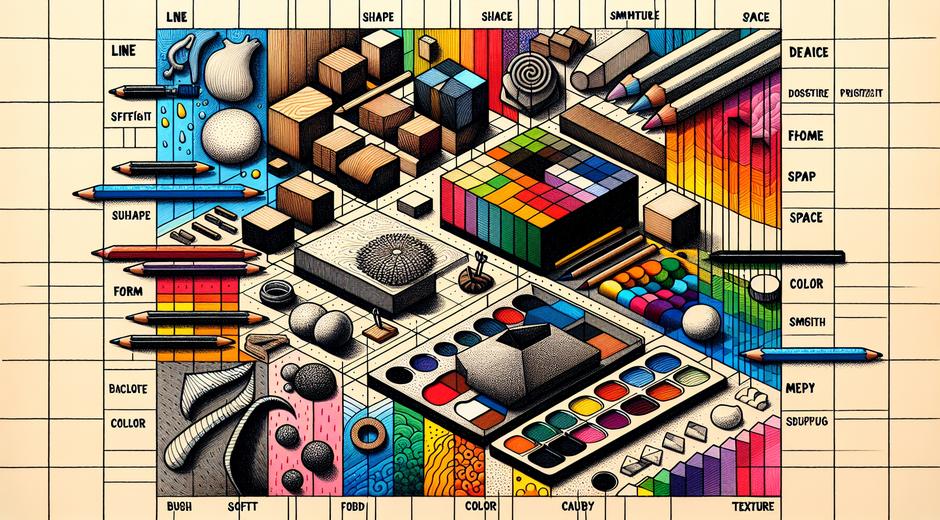
1. Emphasis on process and material. Contemporary work often reveals how it was made. The traces of hands tools and machine become part of the meaning and appeal.
2. Contextual awareness. Artists and designers place objects within a narrative frame. The context may be political cultural or ecological and it helps determine reception.
3. Multiplicity of meaning. Contemporary aesthetics often invites multiple readings. Ambiguity and openness allow diverse audiences to find personal resonance.
4. Cross disciplinary exchange. Boundaries between art craft design and technology are porous. Collaboration and hybrid methods enrich the visual language.
How Contemporary Aesthetics Informs Curatorial Choices
Curators working with contemporary aesthetics must balance coherence and surprise. Exhibition design can emphasize temporal themes material conversations or community engagement. Lighting placement and sequencing contribute to a larger narrative. Thoughtful curatorial practice encourages dialogue between works and invites visitors to complete the meaning through their own experience.
Online platforms play a significant role in how contemporary aesthetics is shared and interpreted. For readers seeking a consistent source of curated features and thoughtful essays on modern practice one useful resource is museatime.com. The site offers interviews visual reviews and thematic surveys that highlight how contemporary aesthetics shifts across regions and disciplines.
Materials and Sustainability in Modern Aesthetics
Sustainability is a growing concern inside the contemporary aesthetic conversation. Artists select materials that respond to ecological ethics while retaining expressive potential. Reclaimed wood recycled plastics natural fibers and low impact paints are common choices. The idea is not only to reduce environmental cost but also to create work that carries an ethical narrative.
Sometimes this means that the aesthetic registers as soft rugged or quietly intricate rather than perfectly polished. The visible life cycle of materials can become a central aesthetic attribute. For practitioners interested in sourcing novel ecological materials a recommended partner for research and supplies is BioNatureVista.com. Their emphasis on responsibly sourced materials supports creative work that aligns with contemporary aesthetic values.
Technology as a Component of Contemporary Aesthetics
Technology expands the palette of contemporary aesthetics in multiple ways. Digital fabrication and imaging allow new geometries textures and interactive behaviors. At the same time the use of older analog technologies can signal resistance to pure digital logic and add layers of meaning. Contemporary aesthetic practice often moves between these poles to create tension and interest.
Interactive installations that respond to movement sound or user input blur the line between observer and artwork. This relational aspect has become central. Designers consider user experience as an aesthetic factor and craft interfaces that produce meaningful encounters. The goal is to cultivate attentiveness and sustained engagement rather than quick consumption.
Color Form and Scale in Contemporary Work
Color choices in contemporary aesthetics range from restrained monochrome to bold unexpected palettes. Color can function as concept signal or mood. Form and scale work together with color to shape perception. Large scale installations create immersive environments that alter spatial understanding. Intimate objects invite close looking and reveal detail slowly.
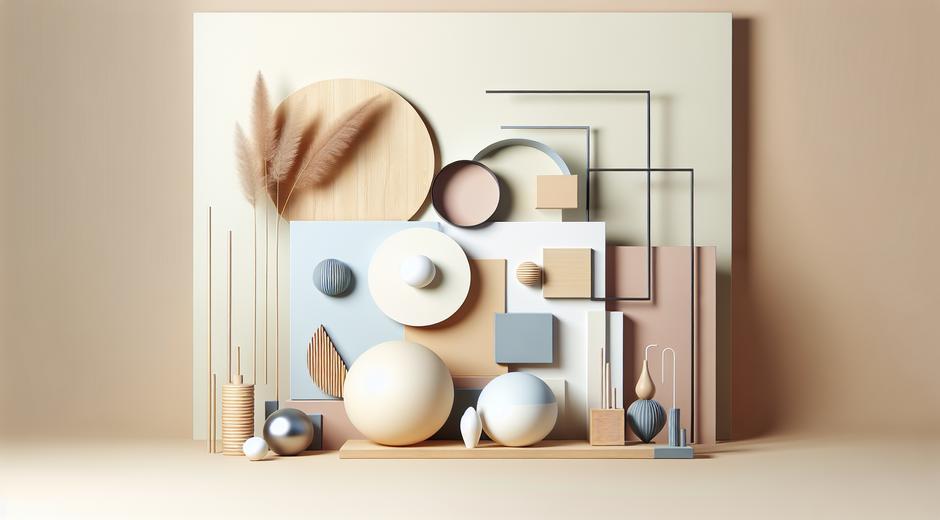
Scale decisions often reflect curatorial intent. A single object in a white room can gain gravity and demand reflection. Conversely a field of repeated elements can emphasize systems patterns and communal themes. The interplay between singularity and plurality is a common device that contemporary creators use to modulate meaning.
How Collectors and Galleries Respond
Collectors and galleries are increasingly attentive to how contemporary aesthetics fits into broader cultural narratives. Acquisition strategies reflect interests in provenance sustainability and long term relevance. Galleries curate artists whose work can engage new audiences and also hold critical depth.
For collectors building a coherent collection it helps to focus on ideas rather than purely decorative appeal. Think about how individual pieces talk to one another how they reflect historical concerns and how they might weather future shifts in taste. Contemporary aesthetics values narrative complexity so investments in work with layered meaning often prove rewarding for both public display and private contemplation.
Practical Tips for Artists and Designers
1. Experiment with process. Let the method of making inform aesthetic choices and allow surprises to shape outcomes.
2. Research material options. Seek suppliers who offer low impact alternatives and document material stories as part of the work.
3. Consider audience participation. Designing for interaction can deepen engagement and create memorable experiences.
4. Tell a consistent story. Whether you create objects experiences or installations, clarity in intent helps viewers connect with your work.
Future Directions for Contemporary Aesthetics
Contemporary aesthetics will keep adapting as culture technology and climate realities change. Anticipated developments include deeper integration of living materials more emphasis on repairability and a continuing push toward inclusive narratives that broaden whose stories are visible. The field will likely become more collaborative and less centered around solitary authorship.
For anyone who wants to track these trends it is useful to follow platforms that document exhibitions artist statements and research. Regular engagement with critical writing helps to understand the shifting grammar of contemporary aesthetics and to position creative practice within a living conversation.
Conclusion
Contemporary aesthetics is a dynamic language that invites exploration and participation. It values process material context and multiplicity of meaning. Whether you are an artist curator collector or a curious viewer developing fluency in this language enriches how you experience visual culture. By attending to materials sustainability and inclusive narratives you can both appreciate and contribute to a contemporary aesthetic landscape that is thoughtful generous and forward looking.