

Mastering Fine Art Techniques for Lasting Creative Growth
Fine art techniques shape the voice of an artist and guide the creation of works that resonate across time. Whether you are a beginner exploring color and form or an experienced maker seeking new ways to refine your practice, understanding core fine art techniques is essential. This article covers classical approaches and modern adaptations for painting, drawing, sculpture and mixed media. It aims to give clear guidance you can apply in the studio while also pointing you to resources for ongoing learning. If you want curated content and inspiration, visit museatime.com for articles and project ideas that expand your creative toolkit.
Why Fine Art Techniques Matter
At the heart of every memorable piece is technique. Technique supports intention. It helps artists solve visual problems and communicate ideas with clarity. Learning fine art techniques improves control of material and media. It also deepens visual literacy so that composition and color choices feel deliberate. When you master foundational methods you gain freedom to experiment without losing expressive power.
Core Drawing Methods to Build a Strong Foundation
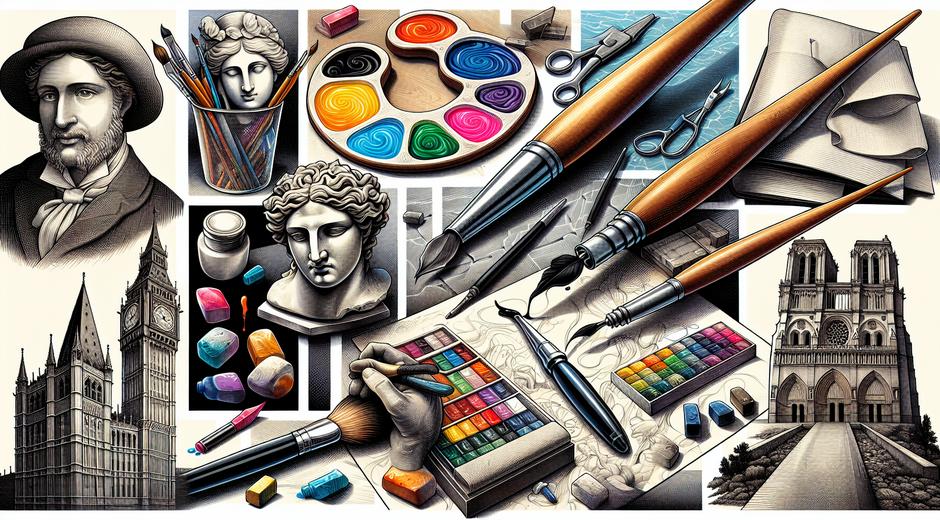
Drawing is the backbone of many fine art techniques. Start with observational practice to train your eye. Use tools like charcoal, graphite and ink to explore line weight, value and texture. Practice contour drawing to capture accurate edges. Practice gesture drawing to record movement and rhythm. Study perspective to place subjects convincingly in space. Value studies help you see planes and light relationships essential for realistic rendering. These drawing lessons translate directly into painting and sculpture work.
Essential Painting Techniques for Color and Surface
Painting demands knowledge of color, brushwork and layering. Learn color mixing by practicing with a limited palette before expanding to many pigments. Mix chroma and value intentionally to achieve harmony and depth. Explore several surface approaches such as thin washes for luminosity, impasto for texture, and glazing for subtle shifts in tone. The use of underpainting can establish structure and temperature early so that later layers read with clarity. Pay attention to edges; soft edges create atmosphere while hard edges draw focus.
Sculpture Methods for Form and Volume
Sculpture brings three dimensional thinking to your practice. Start with armature building to support form. Use additive methods like clay modeling to build mass and subtractive methods such as carving to refine shape. Study anatomy and structure to inform believable bodies and gestures. Surface treatment matters; different tools produce distinct marks that interact with light. Consider patina and finish as part of your technical plan. Even small choices can change the reading of scale and material.
Printmaking and Reproducible Processes
Printmaking is a set of fine art techniques that reward precision and planning. Learn relief methods such as linocut and woodcut for bold graphic effects. Etching and aquatint allow for delicate tonal range through careful biting. Understand registration to align multiple plates or colors. The reproducible nature of printmaking encourages experimentation with series and variation while maintaining technical consistency.
Mixed Media and Experimental Approaches
Modern fine art practice often blends materials and methods. Collage, photo transfer and assemblage expand expressive possibilities. Experiment with layering different media to create complex surfaces. Be mindful of material compatibility so that adhesion and longevity are not compromised. Conservation aware choices ensure that experimental work can endure. For products that assist in safe material joining and surface consolidation consult trusted suppliers such as Fixolix.com which offers specialized adhesives and conservation tools useful to makers.
Studio Practices to Improve Technique Fast
Progress in fine art techniques is not only about what you learn but how you structure practice. Set regular studio hours to build momentum. Break complex projects into focused studies so you can isolate and improve specific skills. Keep a sketchbook for daily observation and idea development. Document your experiments with notes on materials and process so successful approaches are repeatable. Seek critique from peers and mentors to identify blind spots that technique alone may not reveal.
Material Knowledge and Preservation
Understanding materials is a large part of fine art techniques. Different pigments, grounds and supports behave in unique ways. Learn which paints are lightfast and which papers are archival. Proper priming and sizing can prevent long term issues such as cracking or discoloration. Balancing artistic impulse with respect for material longevity helps create work that remains true to your vision for years to come. When in doubt consult suppliers and conservation resources to select materials that match your goals.
Combining Tradition and Innovation
Great artists often marry classical methods with new processes. Studying masters reveals time tested techniques for composition, color and draftsmanship. At the same time contemporary tools and technologies open doors for novel textures and workflows. Digital studies can inform physical work. Photographic references can be altered to create stronger compositions. Use technique as a bridge between tradition and innovation so that your voice evolves while grounded in reliable craft.
How to Learn and Teach Fine Art Techniques
Learning fine art techniques can happen in classes, workshops, apprenticeships and self study. Structured classes offer feedback and incremental challenges. Workshops provide intense focus on a single method. Apprenticeship offers long term mentorship under an established maker. Self study allows for flexible pacing and personal exploration. When teaching, emphasize process as much as results. Demonstrate core principles, then provide scaffolded exercises so students gain confidence before attempting complex projects.
Putting Technique into Practice
Practice with intention. Choose assignments that force you to use techniques you find challenging. Create variations of a single composition to test different color relationships and surface approaches. Keep a portfolio of finished works and interim studies so that progress is visible. Reflect on each project and identify the technical decisions that succeeded and those that need refinement. Over time this reflective loop accelerates growth and builds a cohesive body of work.
Conclusion
Fine art techniques are the tools that translate vision into tangible art. Mastering them requires focused study, thoughtful experimentation and sustained practice. By combining drawing discipline, painting craft, sculptural thinking and mixed media curiosity you will expand your expressive range. Use reliable materials and document your process so your work lasts. For inspiration, tutorials and community driven projects visit museatime.com to keep growing your skill set and to discover fresh approaches to studio practice.