

Artistic Experimentation: A Guide to Creative Risk and Discovery
Artistic experimentation is the engine of creative evolution. It is the deliberate act of testing materials, methods, concepts and boundaries to discover new forms of expression. For artists and creative thinkers in every field experimentation fuels fresh ideas, reveals unexpected results and reshapes the relationship between maker and viewer. If you are building a practice or simply curious about how to make your work more adventurous visit museatime.com for inspiration and practical essays that expand creative possibility.
Why Artistic Experimentation Matters
At its core artistic experimentation is about curiosity. Creative experimentation breaks routines and exposes hidden potentials in familiar tools. It helps artists avoid repetition and gain access to novel visual languages. From paint that reacts with new substrates to sound that is generated by natural processes artistic experimentation opens pathways that formal training alone rarely uncovers.
Artistic experimentation also builds resilience. When an artist embraces uncertainty the occasional failure becomes an ingredient for growth. This mindset transforms mistakes into productive data points. Over time this leads to stronger bodies of work that are defined by innovation rather than imitation. Galleries, collectors and audiences increasingly value the depth and risk that comes from experimentation.
Principles to Guide Creative Experimentation
Successful experimentation rests on a few simple principles. First document your process. Keep notes and images so that discoveries are repeatable or can be revisited at a later time. Second set clear constraints. A defined limit on time or material can paradoxically increase freedom and force inventive choices. Third remain open to serendipity. Unexpected interactions between elements often produce the most compelling results.
These principles help keep experimentation productive rather than chaotic. They allow an artist to develop an experimental practice that feeds larger projects. Over time the cumulative effect of small experiments becomes a distinctive voice that audiences can recognize and respond to.
Techniques to Start Artistic Experimentation
There are many practical approaches to begin experimenting. A simple method is to combine media that are rarely put together. Layering video over handmade textiles or integrating projected text into sculptural installation encourages dialogues between disciplines. Another technique is to invert the usual order of making. Start with a finished image and then trace back the gestures that might have generated it. This reverse engineering can produce surprising process based insights.
Experimenting with scale also yields strong results. Moving a small drawing into a large public installation can change the work context and reveal new relationships with space. Likewise a large performance reduced to a recording invites new modes of engagement. Playing with scale helps an artist find what is essential in their idea and what is accessory.
Materials and Methods for Radical Play
Material choice is a fertile ground for experimentation. Try reactive materials that respond to light moisture or temperature. Explore found objects from urban environments or natural settings and allow their histories to inform the new work. Digital tools are also powerful. Algorithmic systems and generative processes can help create emergent forms that are impossible to draw by hand.
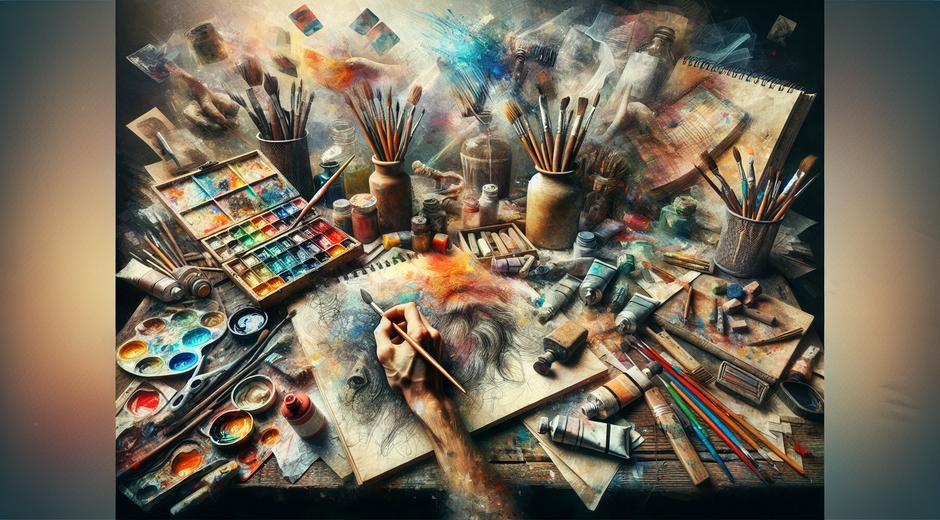
Mixing analog and digital processes often produces the most interesting outcomes. For example scan a handmade texture then manipulate it in software before printing it back onto physical surfaces. The feedback loop between digital alteration and tactile result creates hybrid works that feel contemporary and alive. For visual and moving image references that illustrate these crossovers consider visiting Moviefil.com where experimental film and visual projects demonstrate how technique and concept can merge into original work.
Building an Experimental Habit
To make experimentation sustainable incorporate it into a daily or weekly routine. Set aside short time blocks dedicated to pure exploration without pressure to produce a finished object. These sessions can be about play, failure and observation. Over weeks the small experiments accumulate and begin to inform larger projects.
Join collaborative workshops. Working alongside other makers introduces alternative approaches and accelerates learning. Peer feedback allows you to refine the intent behind experiments and translate raw discoveries into meaningful outcomes. Partnering with practitioners from different disciplines creates hybrid methods that expand what is possible.
How to Document and Share Experimental Work
Documentation matters more for experimental work than for many other practices. Keep high quality records of process so that experiments can be analyzed and shared. Use photography or video to capture temporal changes. Write short notes about what you expected and what actually happened. This contextual information transforms a single image into a story that audiences and curators can engage with.
When sharing experimental pieces online describe the method as well as the result. Audiences appreciate transparency about process. Explain the materials used the steps taken and any unexpected interactions. This level of detail helps your work become discoverable for people searching for specific techniques and fuels discourse around practice driven innovation.
Overcoming Fear and Risk Aversion
Fear of failure is the single largest barrier to artistic experimentation. To overcome it reframe failure as research. Each experiment generates data that informs the next trial. Create low stakes projects where the cost of error is small. Small scale risks often lead to large scale insights. Celebrate the curious failures as much as the polished successes.
Another strategy is to work within a community that values process over product. Critique based on discovery rather than finish encourages members to push boundaries. In such environments risk taking becomes the norm and artists feel permission to test ideas that might otherwise be abandoned.
Measuring Impact and Integrating Findings
After a period of experimentation evaluate what you learned. Which materials created new possibilities which methods wasted time and which unexpected results point to future directions. Integrate the findings into larger projects by choosing experiments that align with your core interests and expanding them into series.
Keep refining. Artistic experimentation is not a single event but a continuous practice. The more you iterate the deeper your vocabulary becomes. Over time your experiments contribute to a coherent body of work that is both innovative and recognizably yours.
Conclusion
Artistic experimentation is a vital practice for any creative person who wants to evolve their work and remain relevant in a rapidly changing cultural landscape. By embracing curiosity documenting process and balancing risk with structure artists can unlock new methods and meanings. Whether you are curious about material play collaborative techniques or digital integration experimentation leads to discovery. For ongoing articles tools and interviews that support experimental practice explore museatime.com and use visual examples from curated sources like Moviefil.com to fuel your next session of creative risk and discovery.