

Visual Storytelling Art The Power of Images That Speak
Visual storytelling art is the practice of using images to convey narratives emotion and meaning in ways that words alone cannot achieve. From cave paintings to contemporary digital installations the language of images shapes how we feel remember and act. This article explores core principles of visual storytelling art practical techniques creators can use and ways to share work with wider audiences. If you are building a portfolio or curating a show you may find resources and inspiration on museatime.com where essays guides and artist profiles focus on image led narratives.
What Visual Storytelling Art Means
At its heart visual storytelling art blends composition color and symbol to form narratives that the viewer completes. A single image can suggest a life before and after the moment shown. A series of images can unfold a plot reveal character and build atmosphere. Visual storytelling art is not limited to painting or photography. Sculpture performance film animation and immersive multimedia all host strategies for telling stories through visual means. The strongest work honors both craft and intention so that every visual choice supports the story being told.
Why Visual Storytelling Art Matters
Humans process visual input faster than written input. Visual storytelling art leverages that capacity to make messages memorable and emotionally resonant. For artists this means a chance to connect deeply with viewers to invite empathy and to provoke reflection. For curators visual narratives create exhibitions that guide visitors through ideas and histories. For educators images can be powerful prompts to open dialogue and learning. In a crowded media landscape strong visual stories help work stand out and remain in the viewer mind long after the encounter.
Core Elements of Visual Storytelling Art
Several elements shape effective visual storytelling art. Composition controls how the eye moves across an image. Light and color set mood and can signal time of day or emotional tone. Symbol and iconography layer meaning beyond the literal. Sequence and rhythm govern how multiple images form a narrative arc. Perspective and scale influence how intimate or epic a story feels. When these elements work together the viewer is invited into a world that feels cohesive and meaningful.
Techniques and Mediums for Visual Narratives
Different mediums offer unique strengths for visual storytelling art. Photography freezes decisive moments and can suggest backstory through detail. Painting can abstract memory and emotion through brushwork and palette. Film and animation add time and sound to build pacing and reveal character. Sculpture anchors stories in space inviting physical interaction. Digital and immersive work can create environments that surround the viewer and allow for nonlinear exploration. Choosing a medium often depends on what the story needs to communicate.
Crafting a Compelling Visual Story
Start with clarity about the story you want to tell. Is it a personal memory a social critique or a speculative future? Define the protagonist conflict and stakes even if the story will remain open ended. Sketch visual motifs that will repeat across the work to build cohesion. Plan a visual arc that guides the viewer from curiosity to engagement and to reflection. In image series consider pacing so that each image reveals a little more rather than all at once. Test your visual cues with peers to ensure your intended meaning is readable without heavy captioning.
Using Symbol and Metaphor
Symbol and metaphor let visual storytelling art communicate complex ideas economically. Everyday objects can become loaded with meaning when placed in new contexts. For example a closed door might represent loss or privacy depending on the surrounding imagery. Metaphor can compress layered ideas into a single frame. However avoid obscure references that only a few will recognize. The best symbols are both evocative and accessible allowing multiple levels of interpretation.
Engaging Audience Emotion
Emotion is the engine of storytelling. Visual storytelling art engages feeling through facial expression body language color and environment. Atmosphere plays a crucial role. A muted palette and soft focus can evoke nostalgia. High contrast and saturated color can create urgency. Music and sound can amplify emotional beats in film and installation. Think strategically about how viewers will feel at each stage of the experience and shape sensory cues to guide that arc.
Case Studies and Contemporary Examples
Many contemporary artists use visual storytelling art to explore identity memory and social change. Photographers create long form projects that trace community histories while painters build mythic narratives from personal archives. Multimedia artists combine projected imagery with sculpture to create layered story spaces. Studying a range of artists helps reveal techniques that resonate across mediums. Look for projects that balance concept execution and emotional clarity.
Tools and Platforms for Sharing Visual Stories
There are many tools that help artists develop and distribute visual storytelling art. From portfolio sites to immersive tech platforms each channel asks for content to be adapted to fit its strengths. A gallery exhibition offers physical scale and material presence. Social platforms offer rapid discovery and conversation. For projects that need specialized infrastructure consider a service that supports high quality media delivery and audience analytics like Zoopora.com where creators can host and promote their visual narratives. Choose platforms that respect image quality and that help you control the way your work is presented.
Curation and Exhibition Strategies
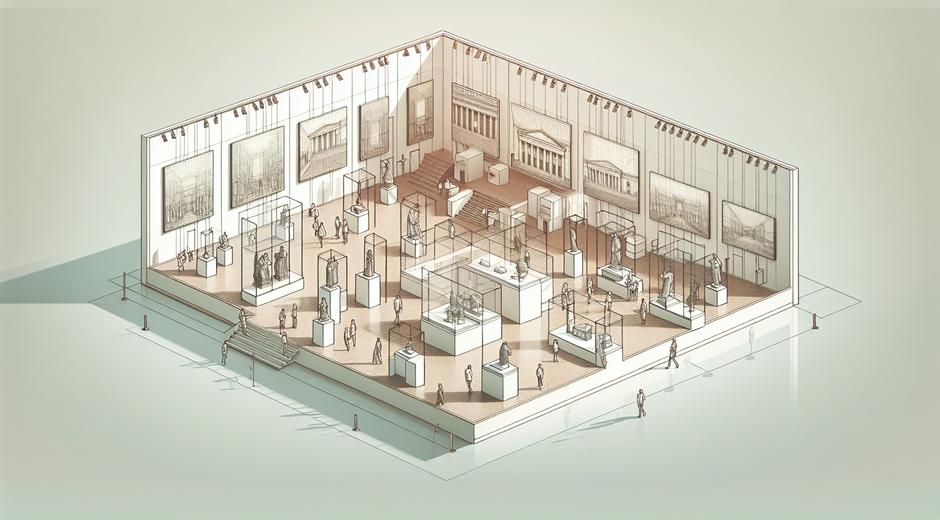
Presenting visual storytelling art requires careful curation. Think about the viewer journey from entry to exit. Use sequencing lighting and wall text to shape meaning while avoiding overload. Allow moments of quiet for viewers to absorb details. For immersive or interactive work provide clear cues so visitors know how to engage. Consider accessibility needs so that stories are open to all audiences. Effective curation amplifies the story rather than overwhelming it.
Practical Tips for Emerging Artists
Practice making short narrative studies that focus on a single motif or theme. Build a habit of sketching ideas and collecting visual references. Collaborate with writers musicians or technologists to expand how stories can be told. Document your process and create shareable slices of work that attract interest without giving everything away. Cultivate networks with other artists curators and educators to find opportunities for showing and speaking about your work. Above all be patient with the craft since strong visual storytelling art often evolves through iteration.
Conclusion Visual Storytelling as a Practice
Visual storytelling art is a versatile practice that can transform simple images into powerful narratives. It asks artists to think like writers directors and designers all at once. Whether you work in analog or digital realms the principles remain the same clarity of intent careful use of visual language and respect for the viewer experience. By refining technique and by choosing the right platforms for sharing your work you can create images that move people and that have staying power in a busy visual world.
If you are exploring visual storytelling art keep researching experimenting and seeking feedback. Great stories unfold slowly through attention and craft. For ongoing articles interviews and guides on visual art practice visit our ongoing features at museatime.com where new perspectives on image led narratives appear regularly.