

Abstract Layering Mastery for Contemporary Artists
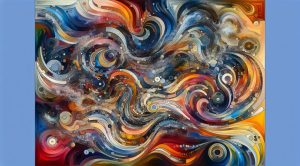
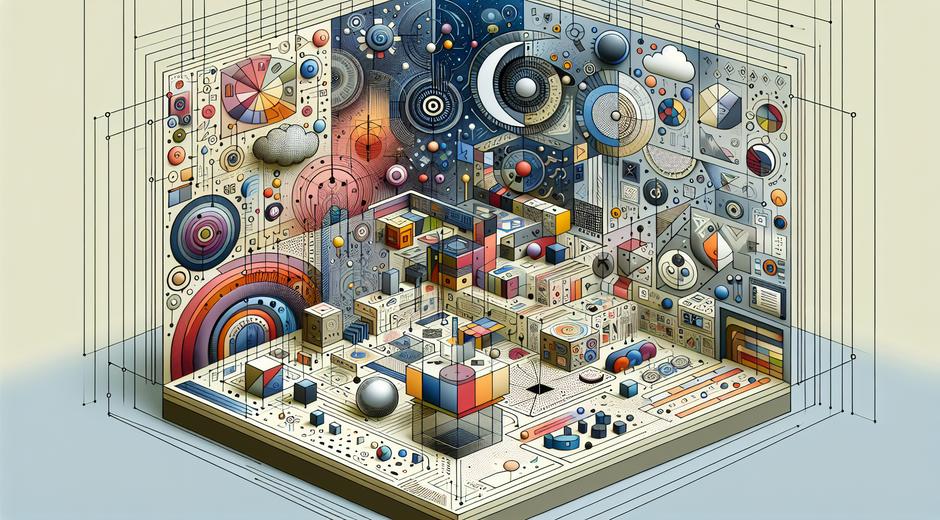
Abstract layering is a core strategy for artists who wish to build depth texture and visual intrigue without relying on literal imagery. This method uses successive applications of color material and mark making to create a complex field that invites extended viewing and fresh discovery. Whether you are a studio painter a mixed media creator or a digital artist understanding how to plan execute and curate layers will elevate your work and clarify your artistic voice.
What is abstract layering
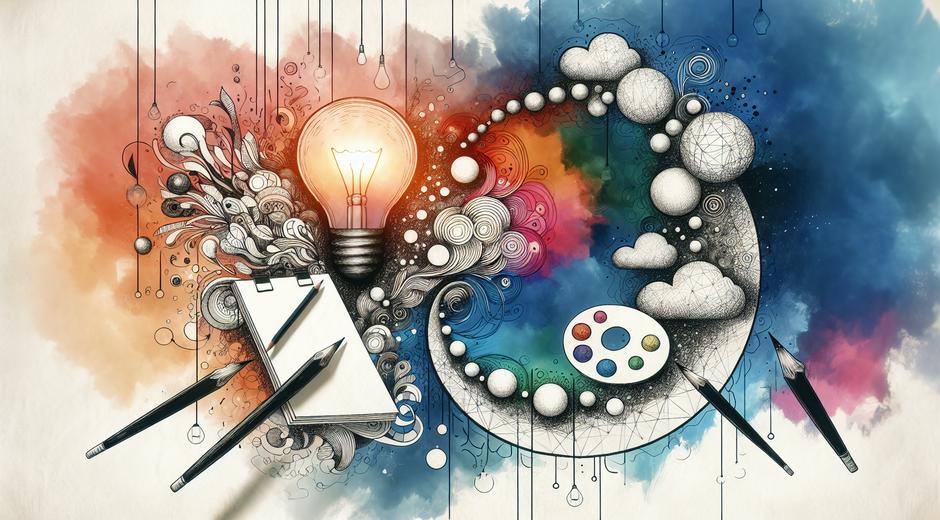
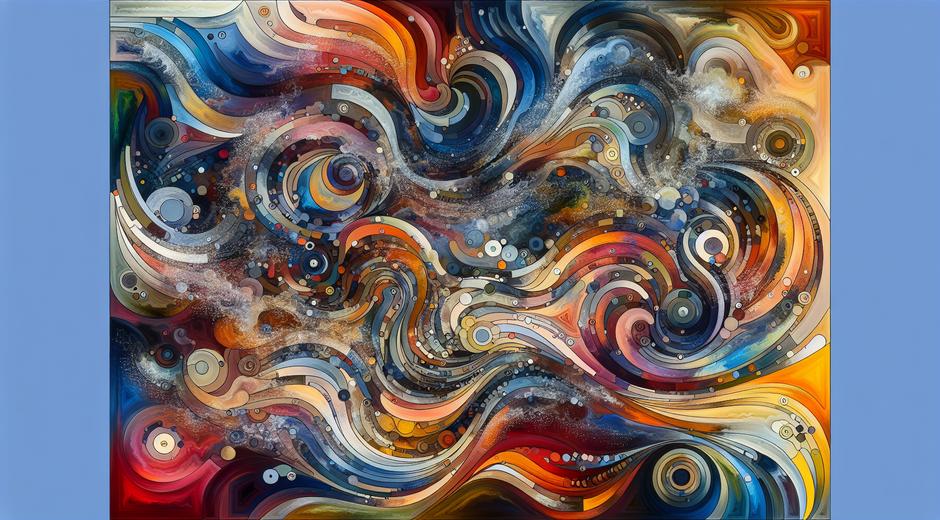
At its simplest abstract layering refers to the intentional placement of multiple strata of material or digital elements to produce a cohesive whole. Layers can be translucent or opaque rough or smooth dense or lighted. Each layer interacts with those beneath and above to alter color relationships value perception and texture. The result is not just a surface effect but an integrated structure that guides the eye and shapes meaning.
In practice abstract layering is a language. Artists use it to hide reveal obscure and reveal again. Some layers operate like a whisper giving subtle color shifts while others shout and demand focus. Managing these dynamics is the essence of the craft.
Materials and techniques for abstract layering
Start with an understanding of materials and their behavior. Acrylics dry fast and accept scraping and rework. Oils offer extended working time and delicate glazing. Water based media allow bleeding and staining effects. Collage elements paper fabric or found material introduce physical depth. Gesso modeling paste and transparent mediums help control absorbency and sheen.
Key techniques include glazing where thin transparent layers alter underlying hue and value; scumbling where dry pigment is brushed lightly to create a broken surface; and scraping back where upper layers are removed to reveal earlier colors and textures. Using a palette knife can create crisp edges and raised ridges. Brushes produce soft transitions. Sprays spatter and sputters give a sense of randomness that can sit in tension with careful marks.
Color harmony and composition in layered works
Color choices matter more in layered work than in flat design. When several colors interact through translucent layers perceived results emerge that differ from the pigment on the palette. Consider value and temperature relationships first. A warm mid tone glazed over a cool dark can read as a new complex tone. Plan focal points by concentrating contrast in one area and allowing other areas to be calmer and more unified.
Think of composition as choreography. Layers can create rhythm through repeat marks or motifs. They can establish movement through diagonal applications or create stillness through horizontal bands. Negative space is as important as painted fields. Often the most powerful layered paintings include areas of quiet that let the eye rest and then return to dynamic zones.
Texture depth and the illusion of space
Texture is a physical translation of layered thinking. Raised surfaces catch light and cast shadows. Smooth sheen reflects differently than matte ground. Use a variety of tools to manipulate surface quality. Rags and sponges remove paint in patches. Tooth brushes flick small droplets. Sanding can reveal unexpected colors from beneath.
Depth can be literal from thick application or implied from color and value shifts. Creating a pushed back field and a pulled forward motif lets viewers read spatial relationships even in non figurative work. Strategic use of warm colors cool colors light values and dark values will help simulate recession and advance.
Digital approaches to abstract layering
The concept of layering translates cleanly to digital media. Software tools use layer panels where blending modes opacity and masks control how elements mix. Multiply overlay and soft light modes mimic traditional glazing while custom brushes simulate texture. Masking allows non destructive editing so you can reveal older versions without permanent loss.
Many artists begin with analog experiments then scan or photograph these surfaces to combine with digital elements. This hybrid approach opens possibilities for global color edits collage and scale modifications. A digital file can be used to plan a large scale painting or to generate prints and archival reproductions.
How to develop a layered abstract practice
Developing fluency in abstract layering requires process patience and a willingness to embrace ambiguity. Build a series of small studies exploring one parameter at a time. For example create ten small panels focusing only on glazing over a meretricious base or ten that emphasize collage integration. These focused explorations refine judgment and reveal which marks or colors recur as signature concerns.
Allow time between layers when working with physical media. This gives you a chance to reassess and to let textures settle. Keep a sketchbook of color notes and successful mixes. Photograph each stage as a record that informs later decisions. Critique your work with clear questions. Which layer supports the focal point? Which layer distracts? What layer could be removed to strengthen cohesion?
For inspiration and resources on composition technique and artist interviews visit museatime.com where curated articles and artist profiles explore contemporary practice and studio tips. Use those features to compare approaches and to discover how others solve common layering challenges.
Presenting selling and caring for layered work
When you exhibit layered paintings or mixed media pieces presentation affects perception. Simple shallow frames or floating frames preserve edges and allow viewers to appreciate depth. Lighting is crucial. Side lighting increases the visibility of texture while even frontal light emphasizes color relationships. High resolution images from multiple angles help online buyers gauge surface complexity.
For practical business guidance on pricing marketing and client outreach consult resources that focus on creative commerce such as BusinessForumHub.com which offers insights on selling limited editions building an online presence and negotiating with galleries. Pairing a strong online portfolio with clear documentation of materials and process increases buyer confidence and helps justify price.
Common mistakes and how to avoid them
One common pitfall is overworking. Adding too many competing layers can flatten a painting and confuse the eye. Counter this by intentionally reserving areas of simplicity. Another mistake is failing to think ahead. Some materials interact poorly producing unwanted chemical reactions. Test combinations on scraps before applying to final work. Finally avoid copying trends without interpretation. Use established techniques to develop your own language rather than chasing a familiar look.
Exercises to build confidence
Exercise one: Create three panels same size with identical base color then apply different top layer strategies on each. Compare and note emotional and visual effects. Exercise two: Limit your palette to three colors and explore how different layer orders produce unique mixes. Exercise three: Translate a physical experiment into a digital mock up to learn how blending modes alter perception. These simple protocols accelerate learning and produce a body of work that clarifies direction.
Conclusion
Abstract layering is a versatile approach that combines material awareness color control and compositional skill. It rewards curiosity and disciplined iteration. Whether you pursue painting collage or digital compositions the principles remain consistent. Begin with a clear intent build layers with conscious choices and curate the final surface until it reads with the clarity and mystery you desire. Use the resources and communities that align with your goals to accelerate growth and reach audiences who appreciate nuanced surface work.