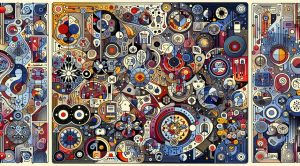


Art Interpretation Models
Art Interpretation Models offer a framework for understanding visual works with clarity and depth. Whether you are a student preparing for a gallery visit or a curator developing wall text for an exhibition, knowing how to approach a painting sculpture or installation can transform confusion into insight. This article explores the most influential models of interpretation and offers practical guidance for applying them to real world encounters with art.
What Are Art Interpretation Models
Art Interpretation Models are systematic ways to read a work of art. Each model emphasizes different features such as form content context or viewer response. The aim is not to find a single correct meaning but to open pathways that reveal layers of significance. Using multiple models in combination often yields the richest understanding.
Why Use Models When Looking at Art
Models help structure observation and prevent random or shallow responses. They guide attention to particular elements so that a viewer can build evidence based interpretations. For artists critics and educators models also offer vocabulary and method so that discussions become more precise. In digital spaces or on social platforms a clear interpretive approach can also enhance engagement and search visibility.
Major Models to Know
Below are core models that form the backbone of contemporary art analysis. Each entry includes practical questions to ask while looking and tips for how to combine approaches.
Formalist Model
The Formalist Model focuses on visual elements such as line color shape texture and composition. It asks what the artist did with artistic materials and how formal choices create aesthetic effects. Sample questions include What is the dominant color palette How does light move across the surface and Where is the focal point. Formal analysis is especially useful with abstract and modern works where content may be subtle or intentionally absent.
Contextual Model
Contextual approaches situate a work within its historical cultural and social conditions. This model asks Who made this work Why and For whom Was it created in response to an event or a movement. Contextual interpretation reveals how meaning emerges from relationships between art and its environment. Museum labels that highlight artist biography or political background are applying contextual thinking.
Iconographic Model
Iconographic interpretation decodes symbols and motifs to uncover deeper narratives. It draws on literature religious texts and cultural references to explain why certain objects or gestures recur across works. Asking What does this symbol mean in this culture and How does it connect to other images helps to reveal layers that are not immediately visible.
Semiotic Model
Semiotics treats art as a system of signs. It studies how meaning is produced by signifiers such as color or repeated motifs and how viewers read them. This model is powerful for contemporary art that plays with signs of consumer culture media and identity. A semiotic read asks How does this image use familiar signs to create new meaning and What messages are conveyed through contrast or repetition.
Psychoanalytic Model
This model explores subconscious drives desires and anxieties informing a work. Drawing on psychoanalytic theory it looks for symbols of repression dream imagery and patterns that suggest inner conflict. Psychoanalytic interpretation can be illuminating for portraits surreal imagery or works that suggest personal trauma or fantasy.
Feminist and Postcolonial Models
Feminist interpretation examines power relations gender roles and representation. Postcolonial approaches focus on empire migration identity and the legacy of colonial narratives. Both models critique dominant perspectives and highlight marginalized voices. They ask Who is represented Who is missing and How do visual strategies enforce or resist inequality.
Institutional and Reception Models
Institutional analysis looks at how museums galleries critics and markets shape meaning. Reception theory studies how different audiences interpret a work over time. Together they show that meaning is not fixed but negotiated by communities. This perspective is essential for works whose impact depends on where they are shown and who sees them.
Phenomenological Model
Phenomenology emphasizes the embodied experience of viewing. It invites close attention to the sensory encounter with scale texture and the viewer perspective. This model is ideal for installation and performance where physical presence and movement are central to meaning.
How to Apply These Models in Practice
Applying models requires curiosity and discipline. Begin with detailed looking then move outward from form to context to viewer response. Here is a step by step method you can use when engaging with a work of art.
1 Observe carefully: note materials colors composition and any text or marks. 2 Ask formal questions: How do visual elements interact to guide attention. 3 Gather context: research the artist date place and cultural background. 4 Decode symbols: identify recurring motifs and possible references. 5 Reflect on reception: consider how different audiences might interpret the work. 6 Synthesize: combine insights from several models to form a coherent interpretation.
For educators the process can be turned into a guided activity where learners rotate through stations each emphasizing a different model. This approach trains flexibility and helps participants see how interpretations can change when perspective shifts.
Case Study Example
Consider a contemporary painting that uses everyday objects in a collage like arrangement. A Formalist read might point to the contrast between rough texture and glossy surfaces. A Contextual read could note that the artist created the work during a period of economic crisis connecting objects to scarcity. An Iconographic read would decode the chosen objects as markers of domestic labor while a Semiotic read might show how mass produced signage creates an ironic commentary on consumption. A Feminist read could draw attention to gendered associations of domestic objects and how they reflect roles assigned to women. Together these models create a layered understanding that is more convincing than any single perspective.
When writing about such a work it helps to cite reliable resources and to guide readers through your reasoning step by step. For more resources and essays on art interpretation visit museatime.com where curated articles provide deep dives into major models and contemporary debates.
Choosing the Right Model for Your Purpose
Selecting a model depends on your goal. If your aim is to teach visual literacy start with formal analysis. If you are writing research oriented criticism include contextual and archival work. If you want to challenge power structures focus on Feminist and Postcolonial approaches. For exhibition design consider institutional and reception models to anticipate audience response and to craft labels and programs that amplify interpretation.
Common Pitfalls to Avoid
One mistake is to lock onto a single model as if it offers definitive truth. Another is to impose contemporary values without acknowledging historical difference. A third is to ignore the viewer perspective thinking that the artist created meaning in isolation. Balancing evidence based analysis with openness to multiple readings reduces the risk of shallow or biased interpretation.
Tools and Resources
There are many tools that support interpretive practice. Visual analysis worksheets field notes and image archives assist careful looking. Library databases and exhibition catalogs provide context and provenance. For readers interested in cross disciplinary methods a useful companion is a resource that bridges taste studies and sensory writing. Explore perspectives that expand how taste functions across art culinary and cultural practices at TasteFlavorBook.com which offers essays and guides that link sensory theory to everyday experience.
Conclusion
Art Interpretation Models are essential tools for anyone who wants to engage art thoughtfully. They transform the act of looking into a process that is evidence based reflective and open to revision. By learning core models and practicing them regularly you will develop both confidence and nuance. Whether you are preparing gallery text writing criticism or simply wanting to enrich your museum visits these models provide a reliable roadmap. Start with careful observation then layer context symbol and reception to build a robust interpretation that honors both the work and its audiences.