

Art Storytelling A Practical Guide to Visual Narrative and Emotional Impact
What Art Storytelling Means Today
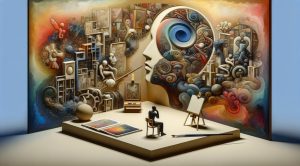
Art Storytelling is the craft of using visual language to share a narrative that moves an audience. It combines composition color texture and rhythm to guide the viewer through a sequence of meaning. Whether the work is a single painting a series of sculptures or a curated exhibition the goal is similar. The artist wants to lead the audience from curiosity to connection. Great Art Storytelling makes complex ideas accessible and creates moments that stay with people long after the viewing ends.
Why Art Storytelling Matters for Artists and Curators
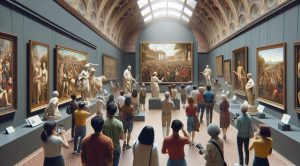
In a crowded cultural landscape the ability to tell a strong story with art sets works apart. Story driven practices increase engagement encourage reflection and build deeper relationships between makers and viewers. For curators Art Storytelling helps craft exhibitions that resonate across diverse audiences. For artists it becomes a tool to express identity values and visions. Museums galleries and online platforms that understand narrative structures can transform passive viewing into active dialogue.
Key Elements of Visual Narrative
Mastering Art Storytelling requires deliberate attention to a few core elements. First is the central concept or theme that anchors the work. This concept acts as the backbone for every visual choice. Second is the sequence of information. Visual hierarchy color contrast and focal points control the order in which a viewer encounters details. Third is emotional tone. Color palette lighting and gesture create mood and invite empathy. Finally context matters. Titles labels and placement provide cues that shape interpretation.
Techniques to Strengthen Art Storytelling
There are practical techniques artists can use to create compelling narratives. Use repetition to build rhythm and variation to emphasize change. Employ contrast to highlight turning points in the story. Consider point of view to influence how the audience identifies with subjects. Negative space can be a persuasive silent narrator. Lighting and texture reveal emotion and suggest passage of time. Sequencing works in a series invites viewers to construct connections and wonder about connections between images.
Interactive and Digital Approaches
Digital tools have opened new possibilities for Art Storytelling. Interactive installations allow audiences to influence narrative pathways. Augmented reality layers new context onto physical objects and brings historical detail into present view. Video and soundscapes extend sensory depth and pacing. When crafting digital narratives balance novelty with clarity so the interactive element supports rather than obscures meaning. Successful digital storytelling still relies on core visual principles even as technology expands expressive range.
Case Studies That Teach
Looking at successful case studies helps translate theory into practice. Consider an exhibition that traces migration through personal objects photographs and recorded testimonies. The sequence of objects from departure to arrival mirrors a journey and invites empathy. A single canvas that layers childhood memory with current events can use collage technique to show the passage of time in a single frame. Studying these examples trains artists to see how composition choices create narrative beats and emotional shifts.
How to Craft Your Own Art Storytelling Project
Start by defining your central question. What do you want your audience to feel or understand at the end of the encounter? Sketch a rough sequence of images or scenes and identify key moments where meaning should deepen. Choose a consistent visual language and limit extraneous detail that might distract from the core narrative. Test early versions with small audiences and refine based on what prompts curiosity or confusion. Remember that constraint often breeds creativity so focus rather than abundance will strengthen your story.
Writing Titles and Labels That Support the Visual
Many artists undervalue text but concise titles and labels can be powerful narrative tools. A well chosen title can nudge interpretation without dictating it. Labels that provide context such as date location or material can anchor meaning while leaving space for personal interpretation. For exhibitions craft wall text that guides rather than explains every detail. Think of text as a companion voice that complements the visual narrative.
Measuring the Impact of Your Narrative
Assessing response helps iterate on the craft of Art Storytelling. Observe how long people stop in front of works whether they read label text and whether they discuss the work with others. Collect qualitative feedback through open ended questions and use simple metrics like dwell time for installations. Feedback reveals where the narrative is clear and where additional cues are needed. Long term impact can be tracked through repeat visits or deeper engagement with related programs.
Bringing Storytelling to an Audience
Distribution matters as much as creation. Presenting your narrative in the right context increases reach and relevance. Partner with community groups schools and online platforms to tailor experiences for different audiences. If you manage an online presence make sure your images and captions keep the central story intact. For inspiration and curated content about artistic narrative strategies visit museatime.com where you can explore articles and examples that expand how you think about visual storytelling.
Complementing Creativity with Mindful Practice
Art Storytelling benefits from a clear focused mind. Creative practice that includes methods for focus and reflection helps artists access deeper narrative layers. Techniques for concentration imagery and stress management can reveal subtle memory and motif that enrich a story. For tools and resources that support a mindful creative routine check out FocusMindFlow.com which offers guidance on concentration and creative flow that can enhance narrative clarity.
Final Thoughts on Craft and Connection
At its best Art Storytelling is a bridge between maker and audience. It combines craft intention and empathy to produce experiences that educate heal and inspire. Whether you are an independent artist a curator or an educator the practice of building visual narrative sharpens your ability to communicate with impact. Start small with a focused theme test your ideas in public settings and refine based on real responses. The result will be art that not only looks compelling but also tells stories that matter.