Creative Composition That Elevates Art and Visual Storytelling
Creative composition is the backbone of striking art. Whether you paint a canvas or frame a photograph, the way you arrange elements determines how viewers feel and what they remember. In this article we explore core principles of creative composition and offer practical steps artists can use to craft images that communicate with clarity and emotion. These ideas are useful for painters, illustrators, photographers and designers who seek to strengthen their visual voice.
Why creative composition matters
Composition shapes the way viewers read an image. It guides the eye through a path, creates emphasis, and sets the mood of a scene. A good composition turns ordinary content into compelling art. It balances form, color and space so the message feels inevitable. Mastering creative composition helps artists make intentional choices rather than rely on chance.
Key elements of creative composition
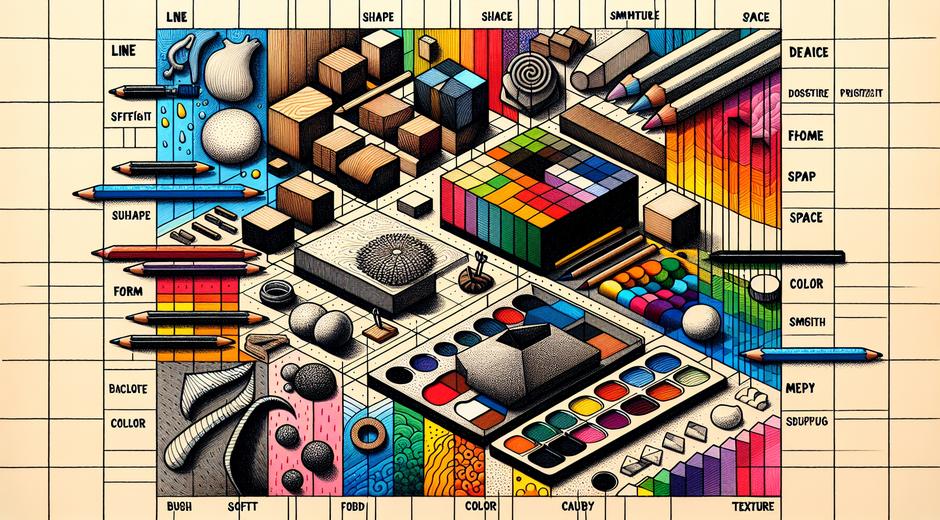
Understanding fundamental elements helps you make better decisions while working. These elements include line, shape, color, texture, space and value. Line can lead the eye. Shape creates rhythm. Color sets mood. Texture adds tactile sense even in flat media. Space defines relationships and scale. Value controls depth and focal emphasis. By considering these tools together you unlock countless compositional options.
Principles that guide composition
Principles are rules you can bend once you understand them. Balance, contrast, emphasis, movement, pattern and unity are prime examples. Balance can be symmetrical for calm scenes or asymmetrical for tension and interest. Contrast helps the focal point to stand out. Emphasis creates a single strong center of attention. Movement arises when lines and shapes guide the eye in a deliberate path. Pattern and repetition build rhythm while unity ties the whole image together.
Using space and negative space
Negative space is often as important as the subject. Leaving space around a subject can make it feel isolated, serene or heroic. Too little space can crowd the scene and create confusion. Practice by composing with different amounts of empty space to see how mood changes. Minimal compositions that exploit negative space often feel refined and modern while busy compositions can tell layered stories.
Creating a strong focal point
A focal point anchors the viewer. Use contrast in value, color or detail to create this anchor. Position it using classical systems such as the rule of thirds or golden ratio to achieve pleasing results. Keep secondary elements subdued so they support rather than compete. A clear focal point makes an image easier to read and more memorable.
Color as a compositional tool
Color drives emotion. Warm colors bring energy and closeness while cool colors suggest distance and calm. Use color harmony to build unity and color contrast to emphasize key elements. Limited palettes can strengthen a concept by removing distraction. Experiment with color relationships to discover surprising ways composition shifts when you alter a single hue.
Line, shape and rhythm
Lines lead the eye. Repeated shapes create rhythm. Curved lines suggest motion and softness while straight lines feel structural and controlled. Arranging shapes in a pattern creates flow and cohesion. Consider how a viewer might move through your piece. Intentionally place lines and shapes to craft a narrative flow from one area to another.
Narrative composition and storytelling
Composition is a tool for storytelling. Think about beginning middle and end when you set a scene. Use props and background elements to hint at history or future action. Characters can face inward to engage within the frame or look outward to suggest longing. Even abstract work can tell a story through implied motion and relationships between forms.
Techniques to practice creative composition
Regular exercises help make better choices instinctive. Try these techniques to sharpen your compositional sense.
1. Crop variations. Take the same scene and crop it in multiple ways. Observe how mood and emphasis change.
2. Limited palette studies. Paint a scene using only two or three colors to focus on value and shape.
3. Thumbnail sketches. Create many small sketches before committing to a final piece. This helps you test layout options quickly.
4. Mirror test. View your work flipped horizontally. This reveals balance issues you might not see while you work.
5. Scale shifts. Experiment with changing the size of key elements to see how dominance changes the story.
How to analyze great compositions
When you study a favorite work, deconstruct it. Identify the focal point and trace the leading lines. Note how color and value direct attention. Ask what the artist left out as much as what they included. This analysis builds an internal library of compositional solutions you can adapt in your own practice. For more inspiration and curated collections that highlight composition across styles visit museatime.com where you can explore examples and deep dives into technique.
Applications beyond the studio
Creative composition is not confined to traditional art. Photographers use the same principles when capturing travel scenes and street life. Designers apply composition to layout and interface to ensure clarity of information. Even writers can learn from visual arrangement when they think about pacing and emphasis in their drafts. Travel photography in particular offers a living classroom for composition as light, culture and architecture combine in new ways. For photographers seeking travel based inspiration and resources check TripBeyondTravel for destination guides and visual stories at TripBeyondTravel.com.
Common composition pitfalls and how to avoid them
New artists often make similar mistakes. Over centering the subject can feel static. Over crowding a frame creates confusion. Forgetting to simplify leads to weak focal points. To avoid these issues, reduce visual noise by limiting details that do not support the concept. Step back often and ask if every element earns its place. If not remove it.
Building a personal compositional style
Style emerges from consistent choices. Do you favor bold contrast or subtle value shifts? Are your compositions tight or expansive? Answering these questions helps you develop a recognizable voice. Keep a sketchbook of compositional ideas you return to. Over time these choices form a pattern that feels uniquely yours.
Practical workflow for creative composition
Adopt a reliable workflow to produce stronger images. Start with research and reference. Do multiple thumbnail sketches. Choose a strong concept then block in values early. Refine the focal point and simplify supporting shapes. Reevaluate the color scheme and adjust as needed. Finally test the piece at different sizes and in different contexts to ensure it reads well.
Final thoughts on creative composition
Creative composition is a lifelong study with endless variations. By mastering fundamentals and practicing deliberate experiments you will gain confidence and clarity. Composition is a language. The more fluently you speak it the more you can move an audience. Return to the basics, study work that challenges you and keep refining your visual decisions. Strong composition transforms good ideas into unforgettable images.
If you want more ideas and curated examples to study continue exploring resources and visual essays that focus on structure and storytelling. Use steady practice and thoughtful study to make creative composition a natural part of your art practice.