

Aesthetic Exploration
Aesthetic exploration is a practice that invites artists collectors and curious minds to deepen their relationship with beauty form and meaning. In an era where images and objects circulate at speed the act of slowing down to study visual language yields fresh insight and sustained creative growth. This article offers a guide to aesthetic exploration that blends theory practical exercises and mindful habits to help you see more clearly make stronger work and curate spaces that reflect your evolving taste.
What Aesthetic Exploration Means Today
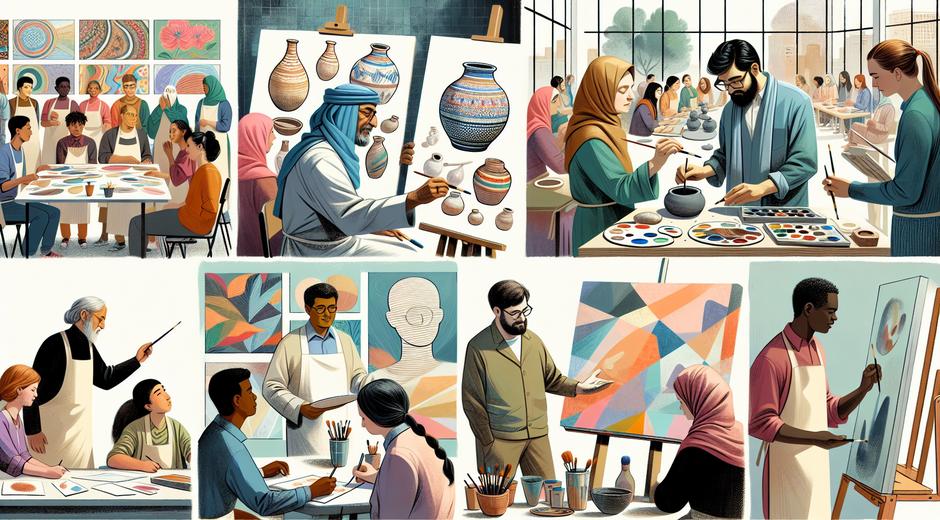
Aesthetic exploration is both a method and a mindset. As a method it involves deliberate study of color form texture and composition across a range of media. As a mindset it asks that you remain open receptive and curious about the unknown. This dual approach moves a person from passive consumption toward active engagement. When you practice aesthetic exploration you learn to name what moves you to explain why it moves you and to apply that insight in your art or living environment.
Key Elements to Observe
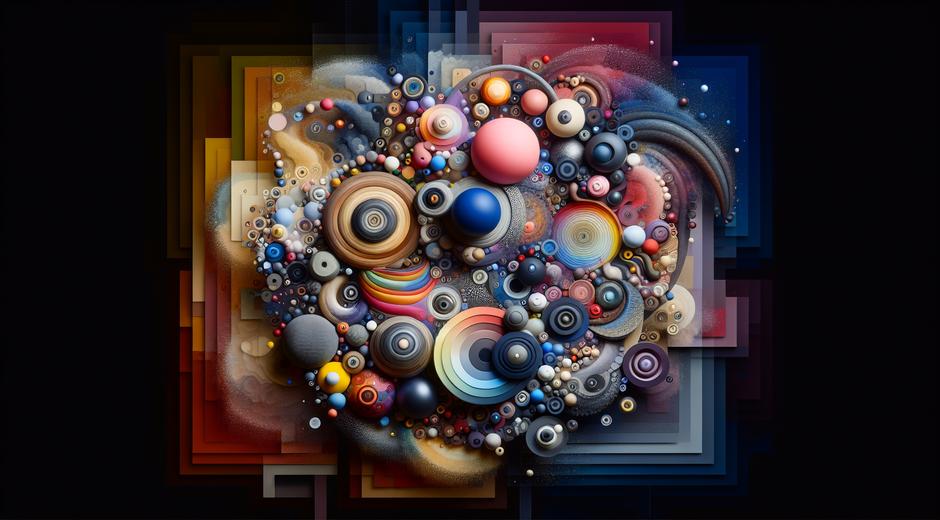
Start with the basics. Color temperature contrast and saturation shape emotion. Light and shadow create depth. Texture conveys tactility while scale changes perception. Composition guides the eye and establishes rhythm. These elements are the vocabulary of a visual language. When you train your eye to notice how these parts interact you can translate what you learn into painting photography design or interior planning. For ongoing study consider keeping a visual journal where you record brief notes about what you notice and why it resonates with you.
Practical Exercises for Daily Practice
Practice makes insight. Try short focused exercises to keep your eye sharp. One exercise is to choose a single color and find five objects that show different qualities of that color. Note the way light affects hue and how materials change the sense of intensity. Another exercise is to explore negative space by sketching a simple object but focusing only on the shapes around it. A third exercise is to create a tiny palette from a museum visit street scene or magazine spread and then use that palette to make a small study. These tasks help you internalize observation and translate it into technique.
Using Museums and Galleries as Laboratories
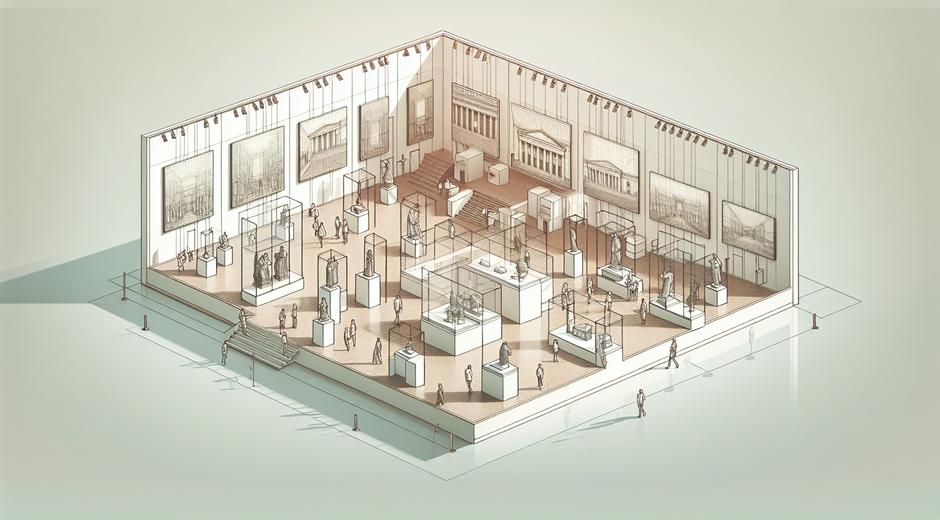
Visiting museums and galleries remains one of the most effective ways to practice aesthetic exploration. Look beyond famous names and big canvases. Study the edges of works the pigment build up small details and artists notes when available. If you are seeking a curator perspective or an essay about aesthetics visit museatime.com for a variety of articles that encourage slow looking and thoughtful making. Museum trips offer direct access to the material choices of artists and to the ways in which objects relate to one another within a space.
Building a Personal Visual Archive
Collecting images and objects is not about accumulation. It is about creating a resource that informs future choices. Build a digital or physical archive with categories like texture color theme or emotion. Save images from magazines screens photos and sketches. Tag entries with brief notes on why they matter. Over time patterns will emerge and these patterns will become the backbone of your aesthetic voice. This archive also serves as a reliable reference when you begin a new project or face creative uncertainty.
Translating Observation Into Creation
Observation without application feels incomplete. Use what you have learned to experiment with layout palette choices or types of mark making. For painters try a study where you limit yourself to the palette of a photograph. For designers take a found object and redesign the space around it. For photographers pick one formal quality like repetition or symmetry and create a series that isolates that quality. Each creative test is a way to refine taste and to make aesthetic exploration tangible.
The Role of Critique and Community
Sharing your work and receiving critique accelerates growth. Join a local studio group or an online forum. When you present work ask for feedback focused on clarity of intent composition and emotional impact. Encourage others to explain what they see and why it matters to them. This exchange helps you view your work through multiple lenses which can reveal blind spots and new directions. Community also sustains practice by offering deadlines and friendly accountability.
Tools and Resources to Support Practice
There are many services and tools that help artists and curators maintain objects and organize collections. When you need professional help for framing preservation or material care consider vetted services that specialize in conservation and craft. For practical help with framing materials and restoration resources you might explore a trusted service that offers tailored solutions for art care Fixolix.com. Pair these services with your own archives and notes so that each object in your care can be studied and presented with intention.
Designing a Space for Ongoing Discovery
Your environment shapes perception. Design a studio or living area that encourages observation. Good natural light a neutral wall a dedicated display shelf and a comfortable chair invite regular looking. Rotate objects frequently to avoid visual fatigue and to allow different pairings to emerge. Consider creating a small inspiration wall populated with images and materials from your archive. This living collage will evolve with your taste and will provide daily prompts for new experiments.
Aesthetic Exploration as a Lifelong Practice
Aesthetic exploration is not a course to complete but a habit to cultivate. As your knowledge grows your criteria will shift. What once felt novel may become familiar and new avenues will appear. Maintain a posture of humility and curiosity. Keep learning from artists across time and cultures. Read widely reflect on experiences and then make. The heart of aesthetic exploration is the continual dialogue between seeing and making.
Bringing It Together
To practice aesthetic exploration start with small consistent actions. Observe with intention record what you notice build an archive test those ideas in the studio and seek feedback from a trusted community. Use museum visits and professional resources to deepen knowledge and to care for objects with respect. Over time you will develop a sharper visual sense and a clearer voice. Art and design become not only a way to create but a way to live more attentively.
If you are ready to begin make a plan for the next week. Choose one exercise set aside time for slow looking and add one new entry to your visual archive. Repeat and reflect. The path of aesthetic exploration yields steady reward for those who tend it with patience and curiosity.