

Composition Studies A Practical Guide for Artists
Composition studies are the foundation of strong visual work. Whether you are a painter sculptor photographer or digital artist mastering the rules and experimenting with structure will improve your ability to communicate with a viewer. This article explores composition studies in depth and offers practical methods exercises and tips to help you develop a reliable sense of balance rhythm and focus in your work.
Why Composition Studies Matter
At the heart of every successful image is a considered arrangement of elements. Composition studies teach artists how to control movement within a frame how to guide attention and how to create relationships between shapes tones and color. Good practice in composition leads to clearer storytelling stronger emotional impact and a professional polish that helps artwork stand out in galleries portfolios and online platforms.
Key Principles to Focus On
Several core principles recur across composition studies. Learning these will help you make consistent choices during the creative process.
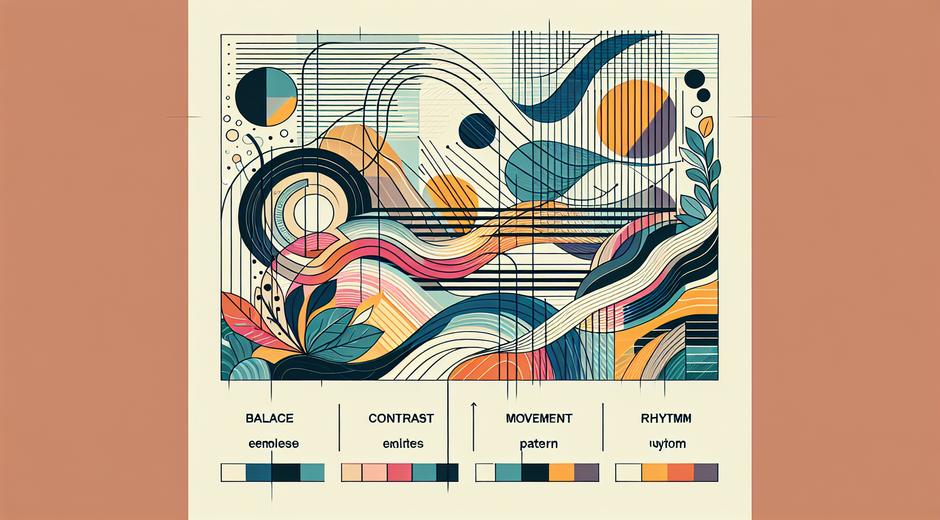
- Balance Balance refers to the distribution of visual weight across the piece. It can be symmetrical or asymmetrical yet still feel stable when done with intention.
- Contrast Contrast in value color or texture makes focal points clear and increases visual interest.
- Rhythm Rhythm creates a sense of movement and flow. Repetition of shapes or lines can establish a cadence that guides the eye.
- Focus Strong composition uses hierarchy so the most important element reads first. Use scale placement and contrast to emphasize a focal point.
- Unity Unity ensures that all parts of the image feel like they belong together. This is achieved through consistent color palette harmonious shapes or repeated motifs.
Methods in Composition Studies
Different artists and teachers propose frameworks and exercises that make composition more accessible. Treat these methods as tools rather than rules. You will find your own preferences as you practice.
One common method is thumbnailing. Create many small sketches that explore different placements for major shapes and lights before committing to a final piece. Thumbnailing speeds up decision making and allows you to test ideas quickly without wasting materials.
Another method is value studies. Reduce an image to three or five tones and study the arrangement of lights and darks. This helps clarify depth form and emphasis before adding color.
Linear studies focus on structure and rhythm through line and edge. By simplifying into line work you can judge the clarity of paths and intersections that lead the viewer through the image.
Exercises to Build Skill
Regular practice is essential in composition studies. Try these focused exercises to sharpen your eye and hand simultaneously.
- Limited Shape Challenge Create a composition using only three basic shapes and a restricted palette. This forces attention to placement balance and negative space.
- Value Only Exercise Paint or draw a scene using only black white and one mid tone. Evaluate how well you create depth and focus with value alone.
- Crop and Recompose Take a photograph and crop it in several ways to explore how different framings change the image impact.
- Rotation Test Rotate a study clockwise and counter clockwise then assess whether it still reads as intended. Strong compositions often remain coherent when rotated.
- Color Emphasis Task Build a composition where a single color family carries the focal point while the rest remains muted. This trains control over color contrast.
Analyzing Masterworks
One of the fastest ways to learn composition is to study historic and contemporary works. Break down masterworks into their structural elements and ask questions. How is the focal area achieved? What paths does the eye follow? Where does the tension live? Spend time replicating small sections in thumbnail scale to internalize decisions that feel successful.
When you study other artists include contemporary resources and curated collections to diversify your reference pool. For curated articles and essays on visual strategy visit museatime.com where you will find in depth discussions and examples from varied disciplines.
Applying Composition Studies to Different Media
Composition studies translate across media yet each medium has its own constraints and opportunities. In painting texture and brushwork add an extra layer of emphasis. In photography timing and depth of field become tools for focus. In sculpture you think about sight lines and spatial balance from multiple viewpoints. Adapting your study practice to the medium helps build works that are both technically and conceptually strong.
If you produce prints or limited editions consider collaborating with a platform that offers professional reproduction services and artist promotions. For partnerships and creative resources explore reputable sites such as Romantichs.com which support artists with print and distribution options.
Common Mistakes and How to Avoid Them
Even experienced artists can fall into recurring traps that weaken composition. One common mistake is overcrowding. Too many competing elements prevent the eye from settling. Solve this by removing or subduing less important parts and by increasing negative space.
Another issue is unclear focal hierarchy. When there is no clear primary element the work feels confusing. Strengthen hierarchy through scale contrast and placement. Use value contrasts to draw the eye to the most important area.
Rigid adherence to a single rule is also limiting. Composition studies are most productive when they invite experimentation. Combine methods cross reference outcomes and be willing to abandon what does not work.
How to Build a Daily Practice
Consistency matters more than duration. Short daily sessions focused on specific problems yield better results than occasional long marathons. Allocate sessions to thumbnailing value studies and single idea experiments. Keep a sketchbook of quick compositions to track progress. Over time patterns will emerge and you will see which compositional choices recur in your strongest pieces.
Feedback is crucial. Share studies with trusted peers or mentors and request specific critiques about balance focus and movement. The perspectives of another observer will often spotlight issues that felt invisible in the moment.
Conclusion
Composition studies unlock clearer communication and deeper impact in your art. By learning key principles practicing targeted exercises and analyzing masterworks you build a visual vocabulary that helps every project succeed. Stay curious test alternatives and document learning so that intentional composition becomes second nature. For more articles resources and inspiration return to our main site and curated collections at museatime.com where you will find a growing archive dedicated to creative development.