

Art Elements: Essential Guide to the Building Blocks of Visual Expression
The phrase Art Elements refers to the fundamental components artists use to create meaningful visual work. Understanding these building blocks helps artists and viewers interpret composition color texture and form with greater clarity. Whether you are a beginner sketching in a notebook or a seasoned creator developing a gallery piece this guide will give you a structured approach to the core Art Elements and practical ways to apply them.
What Are the Art Elements
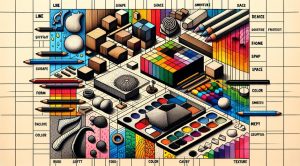
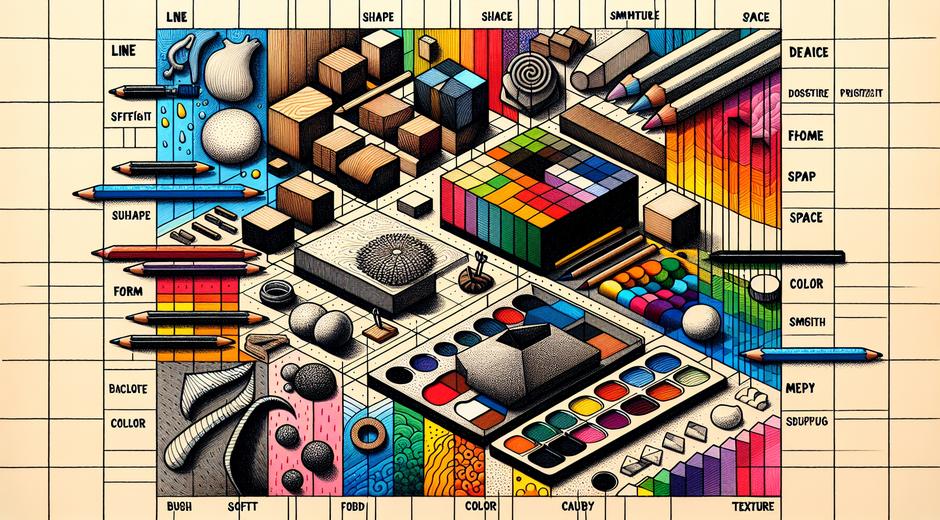
The Art Elements are the basic visual tools that form the language of art. They include line shape color value texture space and form. Each element plays a specific role and combining them thoughtfully produces harmony contrast and narrative in a work of art. When you learn to read these elements you start to see how artists control attention guide the eye and express emotion.
Line
Line is the most direct of the Art Elements. It can be a stroke made by a pencil a brush or an edge created when two shapes meet. Lines can be straight or curved thick or fine continuous or broken. They define contours imply movement and suggest direction. Artists use line to outline shapes create patterns and establish rhythm. Practice drawing with varied pressure and speed to discover the expressive range of line.
Shape and Form
Shape refers to two dimensional areas defined by edges. Shapes can be geometric like circles and squares or organic like the contours of a leaf. Form is the three dimensional cousin of shape. It gives volume to objects and suggests mass and depth. In painting sculpture or digital 3D work learning to translate shapes into forms creates believable objects and environments. Consider how light and shadow wrap around a form to build illusion of depth.
Color
Color is one of the most powerful Art Elements. It carries emotional weight and can set tone mood and atmosphere. Artists study hue saturation and value to craft palettes that support concept and composition. Warm colors tend to advance while cool colors recede creating depth without perspective. Complementary colors create contrast while analogous colors produce harmony. Learning color mixing and color relationships transforms mere illustration into visual storytelling.
Value
Value refers to the lightness or darkness of a color. It is essential for creating contrast and building the illusion of three dimensionality. A strong value structure can read clearly even without color which is why many artists begin studies in grayscale. Working with value helps you place focal points create readable silhouettes and guide viewers through a composition from dark to light or light to dark.
Texture
Texture describes the surface quality of an object. It can be tactile rough or smooth or implied through marks and brushwork. Texture adds richness and physicality to work and it can be real in sculpture or collage or illusionary in a painting. Using texture intentionally gives viewers sensory cues and can reinforce concept for example pairing rough textures with themes of decay or pairing glossy smooth textures with ideas of luxury.
Space and Composition
Space is the element that organizes depth and proximity in a piece. Positive space is occupied by objects while negative space is the empty area that surrounds them. Thoughtful use of negative space can balance composition and create strong silhouettes. Composition is the arrangement of all Art Elements into a unified whole. Principles such as balance contrast emphasis movement pattern rhythm and unity work with the Art Elements to shape how a piece reads. Learning compositional strategies helps you place emphasis and control pacing across a visual field.
How to Combine Art Elements Effectively
Mastering each Art Element individually is useful but the real power comes from combining them with intention. Start with a concept and choose which elements will best communicate it. For a dramatic scene you might emphasize high contrast in value plus bold directional lines and saturated color. For a calm portrait you might limit your palette soften edges and reduce contrast to focus attention on expression. Keep asking why each element is present and remove anything that distracts from the message.
Exercises to Build Confidence with Art Elements
Practical study accelerates learning. Try quick studies that isolate one element at a time. Draw a page of line variations exploring weight and rhythm. Make studies of shape by simplifying complex forms into basic geometry. Paint a value study in three tones only to test readability. Create a texture sampler using found materials to learn mark making. Finally create compositions where you intentionally emphasize one element over the others to see how emphasis affects meaning.
Using Art Elements in Digital and Traditional Media
The Art Elements apply across media. In digital work layer modes brushes and texture overlays extend traditional techniques while in painting decisions about brushwork glaze and impasto shape the tactile feel. Sculpture relies heavily on form and texture while photography often focuses on light value and composition. No matter the medium understanding Art Elements gives you a flexible toolkit to adapt craft to concept.
Art Elements and Art Education
Teachers rely on the Art Elements to structure lessons and critiques. Breaking complex skills into elemental studies creates clear milestones and helps students develop visual literacy. Critique sessions that refer to elements such as value balance or texture help students learn to give and receive constructive feedback. For resources and ongoing inspiration visit museatime.com which connects readers to articles and guides focused on creative growth and historical perspective.
Art Elements and Creative Inspiration
Travel and lived experience are fertile sources of inspiration for experimenting with Art Elements. Observing architecture landscapes and cultural artifacts exposes you to novel shapes color combinations and textures. If you seek creative travel ideas to expand your visual vocabulary consider planning trips that focus on art and culture. A few journeys can refresh your palette and provide fresh subject matter for study and portfolio development. For travel planning ideas that mix culture with unique visual opportunities check out TripBeyondTravel.com and use travel as a practice lab for observation.
Common Mistakes and How to Avoid Them
Artists often overload a composition with too many competing elements or ignore value relationships which flattens the image. Other common issues include weak focal points unclear silhouettes and inconsistent texture. To avoid these traps step back often review your work in grayscale and simplify. Limit choices when testing a new concept and refine one element at a time to build a coherent result.
Conclusion
Art Elements are the foundation of visual communication. By studying line shape color value texture space and form you gain greater control over how a viewer experiences your work. Regular targeted practice and thoughtful composition will help you transform technical skill into expressive design. Whether you create daily for practice or prepare a major exhibition the Art Elements are reliable guides that help your ideas become visible clear and memorable.