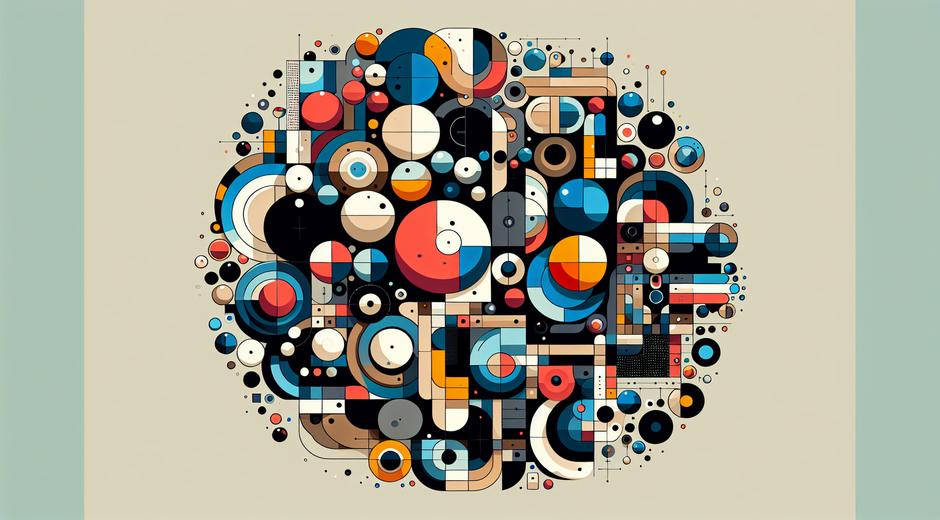


Form Language: Understanding the Visual Grammar of Art and Design
Form Language is a core concept for artists designers and critics who want to decode how visual elements communicate meaning. At its heart Form Language describes how shape proportion rhythm and composition work together to create a recognizable voice in a work of art. When artists develop a consistent Form Language they build a visual vocabulary that audiences learn to read intuitively. This article explores the theory behind Form Language how to analyze it and practical ways to use it in painting sculpture digital art and spatial design.
What Form Language Means in Art
Form Language is not a single rule or a list of items. It is a set of recurring decisions about form and structure that reveal an artist or a movement. These decisions include how forms are simplified or detailed how surfaces are treated how negative space is used and how scale impacts perception. Consider the quiet geometry of modernist sculpture versus the expressive distortion of expressionist painting. Both rely on Form Language to convey intention. Recognizing these patterns helps viewers appreciate why some works feel unified and others feel fragmented.
An effective Form Language balances novelty with consistency. Too much novelty makes a work hard to read. Too much consistency can feel repetitive. The most compelling examples find a signature way of handling form that still allows for variation and surprise. Developing this balance is part of an artist learning to speak with a clear visual accent.
Key Elements That Shape a Form Language
Several elements converge to create a distinct Form Language. Understanding each part helps both creators and critics analyze visual communication more precisely.
Line and Contour determine how shapes are defined. Clean precise contours suggest control and simplicity. Irregular organic lines suggest movement and life. The choice of line weight and continuity also contributes to mood.
Shape and Volume describe the two dimensional silhouette and the implied three dimensional mass. Flat geometric shapes feel different from rounded volumes. How an artist transitions between planes informs spatial logic and narrative clarity.
Scale and Proportion govern relationships between elements. Exaggerated scale can emphasize a focal point or communicate emotion. Subtle proportional shifts can create tension or harmony in a composition.
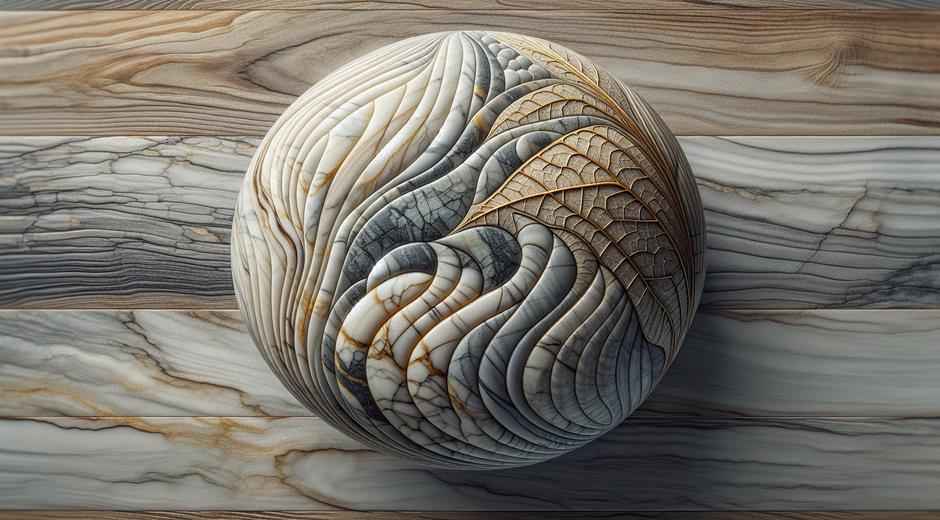
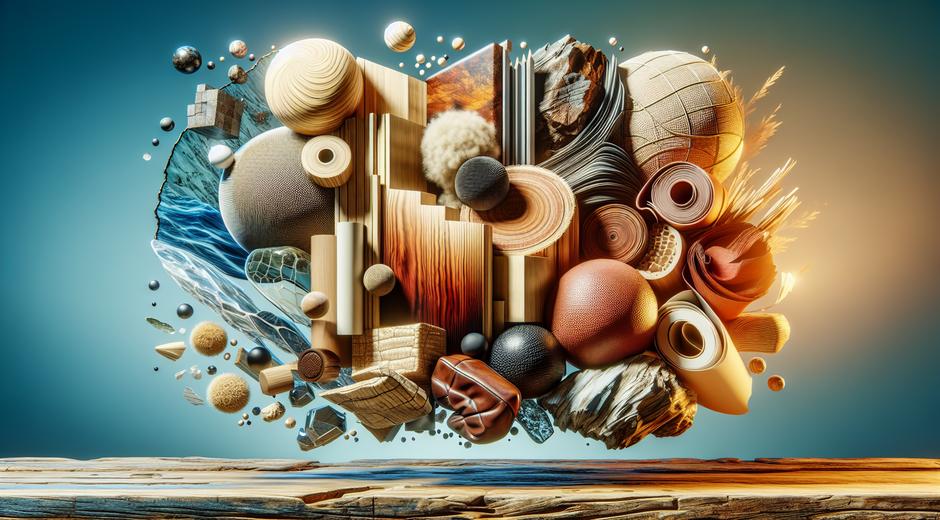
Texture and Surface affect how light interacts with a form. Smooth reflective surfaces read as polished and high tech. Rough matte finishes feel tactile earthy and intimate. Texture choices are a major part of an artist forming a recognizable visual signature.
Negative Space is often overlooked. The shapes that exist around an object matter as much as the object itself. A confident use of negative space can produce elegant simplicity and clarify the overall message.
How Form Language Shapes Viewer Perception
Form Language operates on both conscious and subconscious levels. When a viewer sees a consistent set of formal choices they begin to attribute personality and intent to the work. For example a body of sculpture that repeats thin elongated forms can create feelings of fragility or elegance. In contrast repeated block like volumes can communicate solidity stability and monumentality. These associations are not universal but are learned through cultural exposure and the context in which works appear.
Context plays an important role. The same set of forms in a public plaza will read differently from those in an intimate gallery environment. Lighting scale and placement alter how forms are read. Part of mastering Form Language is learning to adapt formal decisions to context so that the intended message reaches the audience unchanged.
Analyzing Form Language: A Step by Step Approach
To understand another artist s Form Language follow a systematic approach. Start with broad observations and then move to details.
1 Identify the dominant shapes and note how they are repeated or varied. Are they geometric organic or biomorphic.
2 Examine how line is used. Look for contour clarity and the directionality of strokes.
3 Consider the relationships of scale. Which element commands the most attention and why.
4 Observe texture and surface treatment. Is there a contrast between smooth and rough areas and what effect does that produce.
5 Reflect on negative space and rhythm. How do the gaps between forms contribute to movement and balance.
By documenting these observations you can map the grammar of the work and compare it to others. This method helps writers curators and students articulate what makes a Form Language distinct.
Applying Form Language in Creative Practice
For practicing artists designing a deliberate Form Language begins with constraints. Constraints force choices and reveal inclinations. Start by selecting a small set of shapes or a palette of textures and explore variations. Sketch repeat and refine. Pay attention to what feels authentic and what feels forced.
Iterative exploration is crucial. Make a series of small studies that emphasize one element such as silhouette or surface. Over time you will notice patterns that recur naturally. These emergent patterns often form the core of a personal Form Language.
Another useful strategy is cross disciplinary study. Look at architecture fashion industrial design and game art to see how different fields solve similar visual problems. Practical concerns in product design such as ergonomics can inform sculptural choices. Conversely expressive painting techniques can inspire novel treatment of surfaces in ceramics. For more content that connects visual practice with digital culture you might consult a site that covers creative industry trends such as GamingNewsHead.com which often highlights visual direction in interactive media and entertainment.
Teaching and critique are also powerful. Present your work in progress to peers and collect notes specifically about form. Ask which shapes feel familiar which gestures read as confident and which areas need simplification. External feedback reveals how your Form Language communicates to viewers who do not share your internal logic.
Form Language in Contemporary Contexts
Form Language remains vital across contemporary practices. In digital art the language of polygons curves and shaders defines new aesthetic dialects. In public art the language of mass material and monumentality determines civic reception. Even in commercial spaces brand identity depends on a consistent Form Language across packaging signage and digital presence.
Writers and editors at sites that celebrate visual culture often trace the evolution of Form Language across movements and decades. For a deeper dive into recent conversations and curated essays visit resources such as museatime.com where expert commentary explores how artists develop and refine their visual grammar.
Common Mistakes When Trying to Develop a Form Language
Several pitfalls hinder the formation of a coherent Form Language. One is copying surface traits without understanding the structural logic behind them. This produces works that look derivative but lack depth. Another common mistake is excessive ornamentation which obscures the core shapes and makes the visual message noisy. Finally ignoring context can lead to works that feel technically consistent but fail to communicate in their intended environment. The remedy is analysis deliberate constraint and open critique.
Conclusion
Form Language is the visual grammar that gives art and design their voice. It emerges when choices about shape line texture scale and space coalesce into a consistent approach. For artists cultivating a distinct Form Language process matters as much as inspiration. Systematic exploration clear constraints and thoughtful feedback help transform scattered experiments into a coherent practice. For viewers and critics understanding Form Language opens richer readings of artworks revealing how formal choices shape meaning. Whether you are a maker or a reader of art a focus on Form Language enhances clarity intention and impact.