

Hard Edges in Modern Art: A Clear Line Between Form and Color
The phrase hard edges refers to a visual language in painting and design where forms meet with clarity and certainty. Instead of soft transitions or visible brushwork the emphasis is on crisp boundaries that define shape and color. This approach creates a visual experience that feels both precise and bold. In this article we explore the origins principles techniques and lasting appeal of hard edges and show how collectors artists and viewers can appreciate this stylistic choice in contemporary practice.
What Are Hard Edges
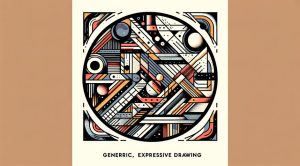
Hard edges are defined by sharp separations between planes of color or material. These separations can be geometric or organic but they remain resolute. Edges do not blur into one another and the viewer is invited to read each area as an independent element that relates to the whole. This clarity of form often leads to a strong sense of order and balance even when color choices are daring.
Historical Roots and Evolution
The emphasis on clear boundaries became visible in twentieth century art as painters reacted to expression led work and sought alternative systems for meaning. Movements that favored geometry and formal control embraced these ideas. Over time artists adapted hard edges to new tools materials and modes of display. The result is a lineage that includes canonical works and newer experiments that use the same principle with current technologies.
Key Characteristics to Recognize
When you look for hard edges pay attention to the following elements. First the boundary itself often follows precise geometry or a controlled organic contour. Second the surface treatment tends to be flat and uniform so that color reads clearly without texture interference. Third the composition uses contrast of hue value or scale to create tension and harmony. These choices make the edge more than a limit they make it a compositional device.
Materials and Methods
Artists adopt a range of strategies to achieve hard edges. Masking tape is a classic tool for creating straight lines. Stencils and templates serve the same purpose for repeating shapes. Some artists paint with rollers or spray devices to avoid brush marks. When working on canvas museum grade priming helps the paint sit evenly. Other makers choose panels or board where the rigidity supports crisp outlines. Digital techniques also produce clean edges and can be transferred to physical surfaces with printing processes.
Prominent Artists and Works
Several influential figures embraced the hard edge approach and brought it to public attention. Their works show how the concept can support minimal compositions or more complex spatial games. Visiting museum collections and reading focused monographs help viewers understand the different intentions behind similar looking works. For readers who want a starting point and curated perspective visit museatime.com where articles and images highlight exemplary pieces and contextual details.
Color Theory and Perception
Hard edges rely heavily on color relationships to create movement and hierarchy. When two hues meet they can seem to advance or recede depending on their values and saturation. Warm colors often read as closer cool colors can appear to be further away. Artists exploit these tendencies to craft illusions of depth or to flatten space on purpose. Understanding a few basics of color interaction helps viewers decode why an edge feels energetic calm tense or resolved.
Applications Beyond Painting
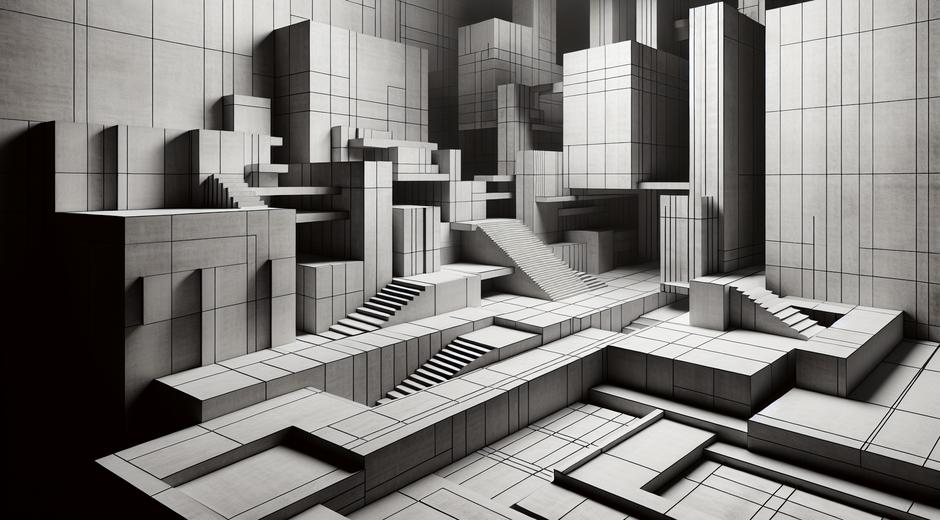
The clarity of hard edges translates well into design architecture and applied arts. Graphic designers use clean separations for logos signage and editorial layouts. Architects apply similar ideas when they contrast materials or volumes to define program. Textile designers exploit crisp boundaries with color blocking and cut construction. The principle is versatile because it communicates with immediacy and reduces visual noise.
Conservation and Display Considerations
Works that depend on flat color and precise edges require careful handling. Surface abrasion can compromise the crisp boundary and improper lighting can introduce unwanted glare that hides subtle color shifts. Conservators recommend stable humidity and light levels and prefer framed displays that protect edges from accidental contact. Galleries often choose lighting that enhances uniform surfaces while avoiding hotspots that create illusions of uneven texture.
Collecting Hard Edge Art
For collectors the appeal of hard edge work can be practical as well as aesthetic. The clean visual language fits modern interiors and often integrates seamlessly with architecture. When selecting a piece check the stability of the support the evenness of the surface and the reputation of the artist or studio. Provenance and condition reports matter because edge damage or retouching can be visible even at a distance. Engaging a specialist can help buyers assess long term value and care needs.
How to Create Hard Edge Work
If you are an artist drawn to hard edges start with sketches that define the composition in bold terms. Test color combinations and plan the sequence of application. Use high quality tape for straight lines and remove it while paint is still tacky to avoid lifting. Practice on small panels before committing to a large piece. Digital mock ups can help visualize proportion and color without wasting materials. Over time you will develop a workflow that maintains clarity and control.
Contemporary Trends and Digital Influence
Today hard edges continue to evolve as artists incorporate new tools and concept driven agendas. Digital fabrication and printing techniques allow for precision at scale. Some makers combine flat color with textured elements to create contrast that is tactile as well as visual. Others use interactive systems where edge boundaries respond to viewer presence or environmental input. These developments show that a simple principle can generate diverse outcomes across media.
Resources and Further Reading
To explore curated examples of hard edges in nature inspired design consider following outlets that connect art and environment. For instance contemporary projects that relate geometry to natural forms are featured at BioNatureVista.com where readers can see how clean boundaries appear in landscape installations and product design. Museums university publications and online archives also offer useful essays and high resolution images that make close study possible.
Why Hard Edges Matter Today
In a world saturated with visual clutter the precision of hard edges offers clarity. The style encourages viewers to notice relationships rather than texture. It supports readability and strong emotional effect through economy. Whether experienced in a gallery at home or in public space the clear lines and defined colors of hard edge work deliver a distinct aesthetic that can feel both assertive and refined.
Hard edges remain a vital chapter in the story of modern visual practice. By emphasizing the interface between form and color artists invite us to consider how boundaries shape perception. For those who value order color and visual intensity this approach has enduring power and continues to inspire new generations of makers and viewers.