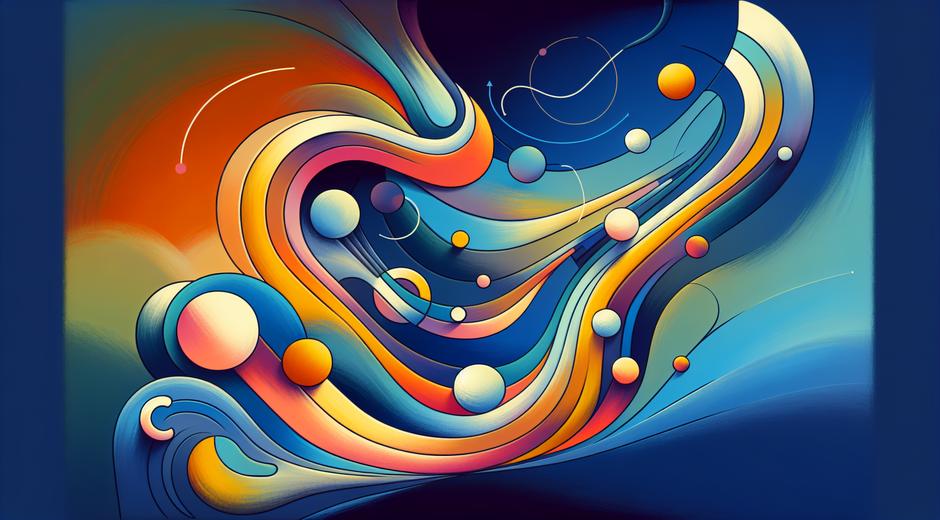


Compositional Flow: Mastering Movement and Balance in Art
Compositional Flow is one of the most powerful ideas an artist can learn to shape how viewers move through an image. Whether you work in paint, photography, collage or digital media the way elements guide the eye creates a narrative of motion and rest. This article explores the core principles of Compositional Flow and offers practical methods you can apply to strengthen your work. Along the way you will find resources and examples that help connect theory to practice and support your ongoing learning.
What Does Compositional Flow Mean?
Compositional Flow refers to the sense of direction and movement inside a visual composition. It is the invisible pathway that carries the eye from one point to another. Flow can be circular or linear, gentle or dynamic, subtle or bold. When flow is intentional the viewer experiences an organized journey that enhances the subject and the mood of the piece. Without clear flow an image can feel static or chaotic even if all individual elements are well executed.
Key Elements That Create Flow
Several visual elements combine to establish Compositional Flow. Learning to use them together gives you control over pacing and emphasis.
Line and Edge Lines are the most direct way to suggest movement. Actual drawn lines and implied lines formed by edges or alignments of shapes both point the eye. Consider the angle and weight of a line. A gently curved line invites a slow travel across the image while a strong diagonal pushes the gaze rapidly.
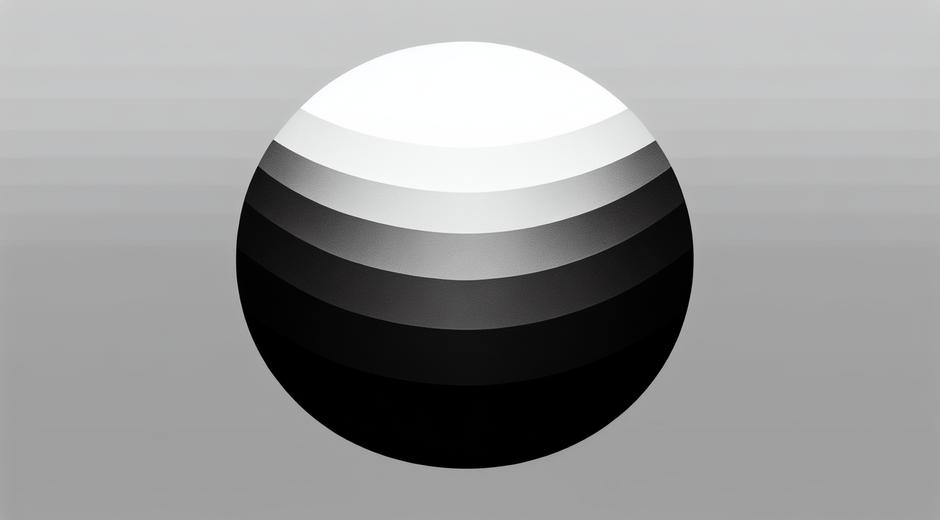
Value and Contrast Areas with high contrast tend to attract attention first. A bright highlight against a dark field becomes a visual anchor. By arranging contrasting zones in a sequence you can craft a path that the eye follows naturally from one anchor to the next.
Color Warm colors usually advance and cool colors usually recede. Using color shifts you can create depth and lead viewers from foreground to background. A gradual change in saturation or hue is a great way to create smooth flow.
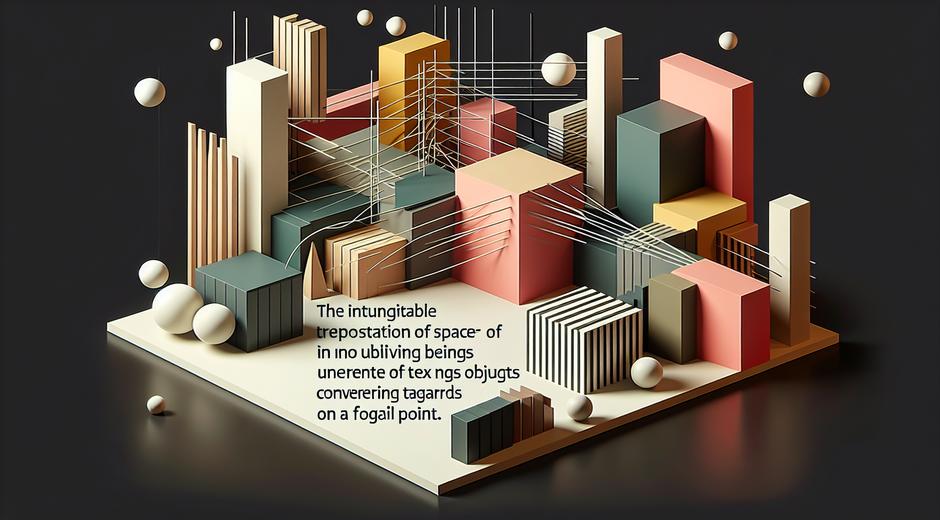
Shape and Scale Repeating shapes can create rhythm. A series of forms that shrink or grow leads the viewer along that line of progression. Deliberate variation in scale can also create focal points that act like stepping stones along the route.
Principles for Designing Effective Flow
Applying a few core principles will improve the clarity of your Compositional Flow.
Establish a Primary Direction Decide early whether your piece will move horizontally, vertically, diagonally or in a circular path. Commit to that main direction and use secondary elements to support it. This keeps the experience cohesive rather than split between competing routes.
Create Focal Anchors Place one main focal point and a small number of secondary anchors. The main anchor should be where the eye rests longest. Secondary anchors help guide the eye toward that primary resting place or move attention onward.
Use Rhythm Repetition and spacing create tempo. Small repeated elements can create a slow doodle like rhythm while large spaced elements create a drum like pace. Match the rhythm to the emotion you want to convey.
Control Entry and Exit Points Think about where the viewer first enters the frame and where you want them to end. The entry point can be set by contrast or a leading line. The exit point can be a subtle fade in value or a compositional border that eases the gaze out of the image.
Techniques to Improve Compositional Flow
Here are practical techniques you can apply while planning or refining a piece.
Thumbnail Lots Create many small quick sketches that explore different paths of flow. At this stage focus on the movement rather than details. Thumbnails make it easy to compare various compositional routes and pick one that reads clearly.
Value Blocking Lay in broad areas of light and dark before adding color or detail. This reveals whether the flow works in terms of attraction points and transitions. Adjusting values is often more effective than repainting complex areas.
Edge Control Soften some edges and sharpen others. Soft edges create transitions and calm while sharp edges create stops and emphasis. Use this contrast to pace how the eye moves.
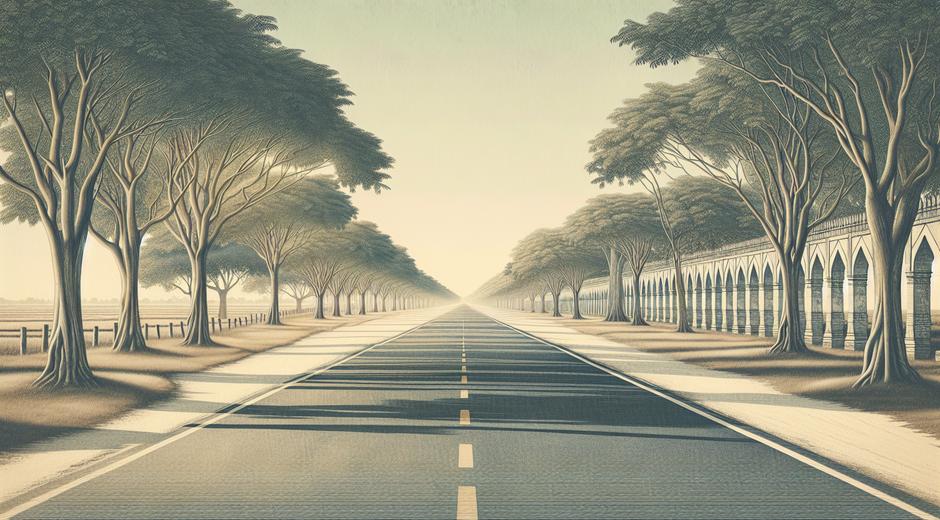
Guiding Shapes Arrange elements so they form implicit pathways. A row of tilted trees a sequence of windows or the curve of a shoreline can all become natural guides. Think of shapes as roads for the gaze to travel on.
Examples from History and Contemporary Practice
Throughout history artists have explored Compositional Flow in many ways. Renaissance painters used directional gaze and gestures to move the viewer toward the narrative moment. Impressionists experimented with broken color and brushwork to suggest motion. Modern photographers use leading lines and depth of field to isolate a path through a scene. Contemporary digital artists combine motion blur and layered transparency to create complex flows that unfold over time.
Studying a wide range of work helps you see how the same principles adapt to different media. Look for works that feel easy to read and compare them to works that feel unsettled. The differences often come down to flow clarity rather than technical skill alone.
Compositional Flow in Different Media
Each medium offers unique ways to shape flow.
Painting Brushwork direction can reinforce flow. A sweep of the brush can act like a physical line. Use glazing and scumbling to adjust transitions without reworking large areas.
Photography Focus, aperture and lens choice control depth and separation. Placing a subject off center and using leading lines create strong camera based flow. Movement can be captured with long exposure to introduce streaks that point the eye.
Digital Art Layers and transparency offer dynamic ways to build flow. Motion blur and glow effects can simulate movement while vector paths make it easy to test alternative routes without repainting.
Common Mistakes and How to Fix Them
Even experienced artists sometimes struggle with flow. The most common problems are competition between focal points and unclear entry points. If multiple elements compete the eye will bounce around and the piece will feel unsettled. Use contrast and hierarchy to designate one primary anchor.
If the entry point is unclear ask a friend to look at the work for a few seconds and say what they notice first. If responses vary you may need to strengthen the opening through contrast or a guiding line. Often small shifts in value or placement are enough to restore a clear path.
Exercises to Build Intuition
Try these short exercises to train your sense of flow.
1 Make a series of ten minute studies that focus only on value relationships. Choose a single motif and rearrange values to test different flows.
2 Create a composition that intentionally uses a circular flow. Limit your palette and see how the eye travels around the circle.
3 Take a photograph and crop it in three different ways to change flow. Compare which crops work best and why.
Regular practice with focused goals trains intuition so you can apply Compositional Flow quickly during real projects.
Using Compositional Flow to Improve Creative Process
Beyond individual pieces Compositional Flow can inform your entire approach to making. When planning a series think about how each image leads into the next. A well considered sequence can guide a viewer through a narrative arc or mood shift. If you want an online gallery that displays a coherent sequence of images review layout and spacing to ensure flow continues across page sections. For artists who teach or present process work arranging slides with clear flow improves viewer understanding and engagement. For resources on curation and presentation consider visiting museatime.com for articles that focus on visual storytelling and gallery friendly layouts.
For creators who also run a business understanding workflow is important. Tools that automate repetitive tasks can free time for creative exploration. A recommended resource for time saving automation is AutoShiftWise.com which offers practical solutions for studio organization and task management.
Conclusion
Compositional Flow is both a technical skill and a creative sensibility. By studying the elements that guide movement and by practicing targeted exercises you will learn to shape the viewer experience with intention. Start with small experiments in value and line then scale those insights into larger works. Over time you will find that strong flow not only improves individual pieces but also enhances how your body of work communicates ideas and emotion. Keep observing and testing and you will develop a reliable visual language that guides viewers through your art with purpose and grace.