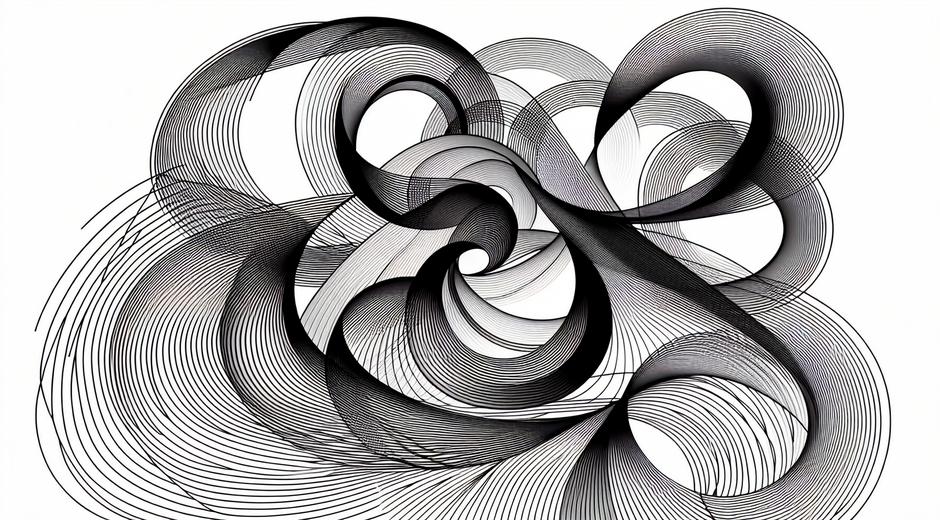


Curves in Art How Smooth Lines Shape Visual Expression
Curves are among the most powerful elements in visual art. From the soft arcs of a portrait to the sweeping contours of modern sculpture curves guide the eye evoke emotion and define form. This article explores how curves operate across mediums why artists choose them and how you can use curves to enhance composition in painting drawing sculpture and design. Whether you are a practicing artist a curator or an enthusiast the study of curves reveals deep insights into visual language and perception.
The Visual Power of Curves
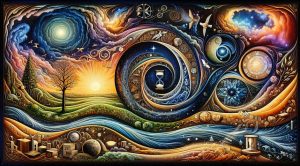
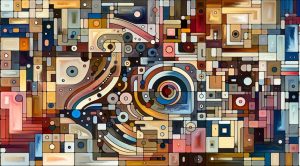
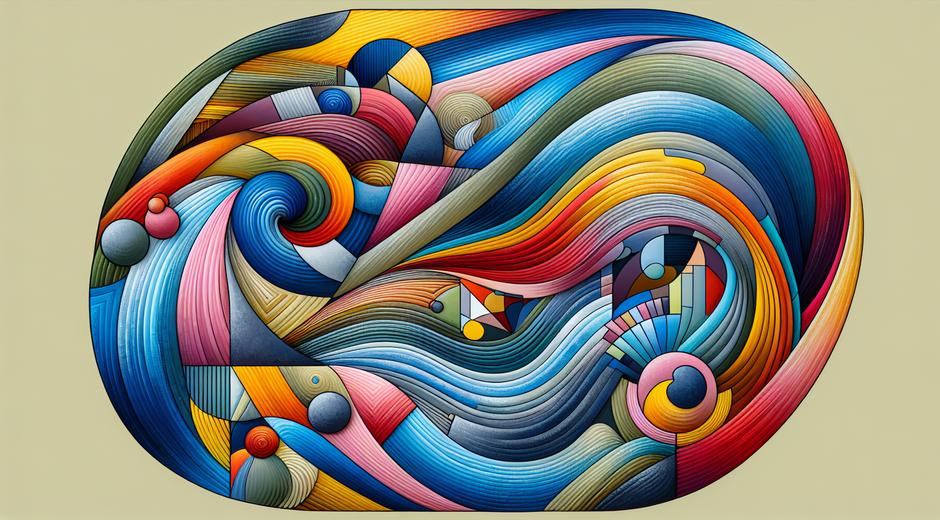
Curves function as visual pathways. Where a straight line can feel rigid abrupt and directive a curve carries flow and rhythm. Artists use curves to suggest movement to soften edges and to imply volume. In figurative work the curve of a shoulder or the arc of a cheek can communicate vulnerability or strength. In abstract work repeated curves can create a sense of harmony or tension depending on spacing density and contrast.
Beyond simple aesthetics curves influence how viewers scan an image. Our eyes naturally follow rounded shapes enabling artists to control attention. By placing key elements along a curved path an artist can create a visual narrative that leads the viewer through the work. This technique is used in classical painting in graphic design and in contemporary installation art.
Curves in Line and Form
In drawing the quality of a curve matters as much as its direction. A continuous flowing curve has a different expression than a curve that is interrupted by short strokes. Line weight plays a role. A thin gently shaded curve can feel delicate while a bold sweeping curve can feel assertive. Artists often vary line weight to suggest depth and light. In sculpture curves translate into three dimensional form. A curving plane catches light in soft gradients creating a tactile sense of flesh or fabric.
The study of anatomy is a classic way artists learn to render curves. Muscles and bones create natural arcs and bulges. Mastery of these organic curves enables convincing representations of the living figure. Environmental forms also follow curves. Hills rivers waves and tree branches all present curving patterns that can be stylized or rendered realistically.
Curves Across Styles and Periods
Curves have been central to art across cultures and eras. In classical antiquity curves expressed idealized beauty in sculpture and vase decoration. In the Baroque period dramatic sweeping curves amplified movement and emotion. Art nouveau embraced sinuous curves for decorative motifs that blurred boundaries between art and daily life. In modernist movements like biomorphism curves suggested organic growth and subconscious form.
Contemporary artists continue to experiment with curves. Minimalist painters often use single curved elements to disrupt geometric grids. Installation artists use large scale curving structures to alter the way audiences move through space. The logic of curves adapts to new materials and technologies yet the underlying appeal remains constant.
Color Texture and Curves
Color and texture interact with curves to shape perception. A smooth gradient that follows a curve enhances the illusion of roundness. Conversely a rough texture applied along a curve can add tension or tactile interest. Color contrasts along a curve can create optical vibrancy and direct focus. For instance a warm colored curve against a cool background will advance visually drawing attention to focal areas.
Curves are also crucial in printmaking and textile design. Repeating curved motifs can produce rhythmic patterns while subtle variations keep the motif lively. Designers use curvature to soften functional objects making them more inviting. In product and interior design curves often connote comfort and ergonomics.
Compositional Strategies Using Curves
Implementing curves intentionally elevates composition. Here are practical strategies artists and designers use.
1. Leading Curve Place a dominant curve to guide the viewer from the foreground to the background. This creates a journey within the frame.
2. Anchor Curve Use a strong curve to anchor the composition allowing other elements to orbit around it. This creates a central focus without rigid symmetry.
3. Counter Curves Pair opposite curves to set up visual dialogue. A convex curve beside a concave curve can create tension and balance.
4. Rhythm and Repetition Repeat curves at varying scales to build rhythm. This approach works well in abstract painting and textile patterning.
5. Negative Space Observe the curved shapes formed by gaps between objects. These negative curves can be as significant as the positive forms.
Applying these strategies enhances storytelling and emotional impact. Curves can suggest motion time and mood while maintaining cohesion.
Curves in Digital Art and Typography
In digital art curves take on new roles. Vector tools emphasize mathematically precise curves that scale cleanly across sizes. Artists leverage Bezier curves to craft logos and icons. The manipulation of control points offers fine control over curvature and flow. In motion design animated curves can guide transitions creating smooth user interactions.
Typography also relies on curves. The roundness of a letter shape affects legibility tone and brand voice. Designers choose typefaces with gentle curves for friendliness and approachable brands. More angular letter forms convey modernity and urgency. Understanding the interplay between letter curves and overall layout is essential for effective branding.
Curves in Space and Architecture
Curves move beyond two dimensions into architecture and landscape design. Curved walls and facades shape how people move and gather. A curving staircase or a rounded window can soften a room and invite exploration. Landscape architects use curves to shape pathways water features and plant beds creating naturalistic movement.
These ideas intersect with art in public space. Sculptures that integrate with curved pathways create immersive experiences. Home design also benefits from artful curves. For insights on how artistic curves translate into living spaces and property design visit MetroPropertyHomes.com where interior vision meets architectural practice.
Curves in Craft and Material Choices
Material properties influence how curves are realized. Clay porcelain and glass are ideal for flowing curves due to their malleability before firing. Metals can be bent and forged into durable curves. Wood can be steam bent to achieve gentle arcs. Textile artists manipulate fabric grain and stretch to create decorative curves in garments and installations.
Choosing materials that respond well to curvature makes fabrication easier and more expressive. In studio practice artists experiment with scale and technique to push the limits of curvature while respecting structural needs.
Curves as Emotional Language
Curves carry emotional connotations. Soft curves often convey warmth comfort and openness. Sharp or abrupt curves can suggest surprise or unease. In visual storytelling artists harness these associations to affect mood without explicit narrative. A landscape dominated by long tranquil curves may evoke calm while a composition of tight jagged arcs may create agitation.
Understanding these associations supports more deliberate creative choices. Curves are therefore both formal and symbolic tools in an artist toolbox.
Practical Exercises to Explore Curves
Try these exercises to develop a sensitivity to curves.
1. Gesture drawing Focus on quick sketches capturing curves in the human figure. Aim for fluid arcs rather than precise contour.
2. Negative shape study Sketch only the spaces between objects to discover hidden curves.
3. Scale variation Create a composition using the same curved motif at three different sizes.
4. Material experiment Bend wire clay and paper to explore how different materials reveal curvature.
These practices build intuition and technical skill.
Conclusion Embracing Curves in Creative Practice
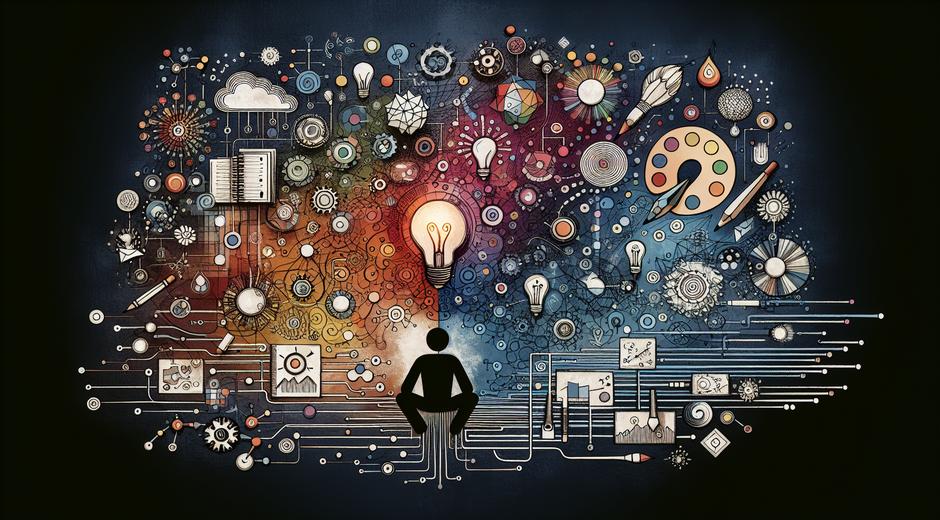
Curves are a versatile element that enriches visual communication. From guiding the eye to suggesting emotion to shaping space curves operate at multiple levels of meaning. Whether you work in painting sculpture design or architecture consciously integrating curves can enhance clarity and depth in your projects. For ongoing inspiration and resources on form composition and art practice explore expert essays and galleries at museatime.com. Study curves reflect on how they function and allow smooth lines to become a central part of your creative voice.