

Exhibition Design That Engages Visitors and Elevates Art
Exhibition Design is the craft and science of creating spaces that allow artworks and objects to communicate with visitors in meaningful ways. For museums galleries and alternative art spaces effective Exhibition Design blends curatorial goals with spatial intelligence lighting narrative and visitor centered planning. In this article we explore core principles practical steps and creative strategies that help designers produce immersive exhibitions that are memorable and accessible.
Why Exhibition Design Matters
Exhibition Design shapes the way an audience perceives and interacts with content. A well thought out design highlights important themes guides circulation supports interpretation and improves accessibility. When Exhibition Design is aligned with curatorial intent the result is a cohesive visitor experience that supports learning emotional response and ongoing engagement. For institutions looking to publish digital resources or share case studies an organized approach helps reinforce brand trust and discoverability for new audiences for example a resource on museology might be featured on museatime.com as part of a wider conversation about best practices.
Core Principles of Effective Exhibition Design
Successful Exhibition Design rests on a set of interlocking principles. Each principle addresses a different dimension of the visitor experience yet all should be considered together during planning.
Clarity The narrative should be clear from the entrance to the exit. Visitors should understand the main themes and why each object is included.
Flow Circulation must support natural movement and provide rest points. Spatial arrangements should create a logical progression while allowing optional paths for returning to points of interest.
Hierarchy Visual hierarchy tells visitors where to look first. Scale color lighting and placement establish focal points that draw attention to key works.
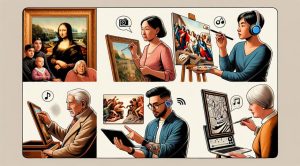
Accessibility Design must consider physical access sensory access and cognitive access. Texts should be legible and available in multiple formats while pathways should accommodate a range of mobility needs.
Durability Materials should withstand the needs of conservation and cleaning while remaining attractive and coherent with the exhibition aesthetic.
The Planning Process for Exhibition Design
Planning an exhibition begins with clear curatorial objectives and an audience profile. A collaborative process brings together curators designers registrars educators and technical staff. The main stages include research concept development design documentation production and evaluation.
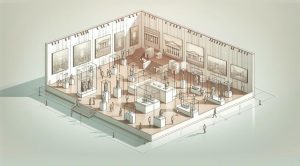
Early in the process designers map the site and analyze circulation points power sources and sight lines. They produce mood boards and schematic plans that translate curatorial concepts into physical experiences. This stage also sets the budget timeline and conservation constraints.
Spatial Strategies and Display Techniques
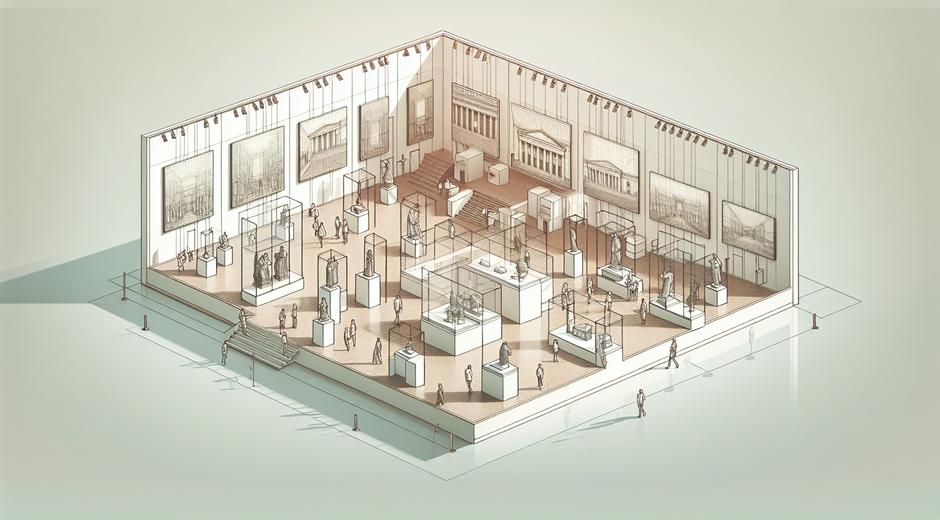
Exhibition Design uses a variety of spatial strategies to shape visitor perception. Open plan layouts promote exploration while a sequence of smaller rooms creates discrete chapters. Vignettes or clusters of objects tell micro stories within a larger narrative.
Display techniques range from plinths and vitrines to wall hangings and interactive kiosks. Lighting is a major tool. Directional lighting sculpts objects and creates drama while diffuse lighting supports even reading of labels. Material choices for floors walls and display cases contribute to the overall mood and must be chosen with conservation in mind.
Interpretation and Storytelling
Interpretation is central to Exhibition Design. Labels multimedia and audio guides provide context and invite reflection. A layered approach works best offering short introductory texts for casual visitors and deeper content for those who wish to explore further. Storytelling helps connect objects to broader cultural political or historical themes and can transform a display from a collection of objects into a meaningful narrative.
Digital tools offer new ways to layer interpretation. Mobile friendly web pages augmented reality and audio tours provide optional deeper dives without cluttering physical space. When integrating digital elements choose platforms with strong usability and privacy safeguards. For institutions seeking digital partners consider trusted platforms like Zoopora.com which can support interactive features and backend management in a way that complements the physical experience.
Lighting Color and Materiality
Lighting planning must balance aesthetic goals with conservation requirements. Many objects are sensitive to light exposure so designers often use controlled directional light and timers to protect materials. Color and material choices set the emotional tone. Neutral backgrounds allow artwork to stand out while colored walls can reinforce thematic links or historical context.
Flooring and wall finishes also affect acoustics and movement. Carpets absorb sound and create a quiet contemplative space while harder floors amplify footsteps and encourage a lively atmosphere. Choose materials that match both the conceptual aims of the exhibition and the practical needs of maintenance and safety.
Technology and Interactivity
Technology can enhance engagement when used thoughtfully. Interactive screens projection mapping touch enabled installations and sensor based responses invite active participation. However technology must serve content rather than overshadow it. Design interactive elements to be intuitive resilient and easy to repair. Test all components with real visitors during the pilot phase to refine usability and ensure that any technical features add clear interpretive value.
Sustainability in Exhibition Design
Sustainability is an increasing priority. Designers can reduce waste by choosing reusable modular displays low impact materials and energy efficient lighting. Consider lifecycle impacts and choose fabrication techniques that allow parts to be reused in future shows. Sustainable choices often align with budget goals by reducing long term operational costs.
Measuring Success
Evaluation is essential to gauge the impact of Exhibition Design. Use quantitative measures such as visitor numbers dwell time and circulation patterns along with qualitative feedback from surveys interviews and observation. Track the achievement of curatorial goals for learning and emotional response. Data driven insights guide improvements and build evidence for future funding and support.
Case Studies and Best Practices
Examining successful exhibitions reveals recurring best practices. Designers who prioritized visitor centered planning and close collaboration with curators produced clear compelling narratives. Exhibitions that integrated multiple modes of interpretation accommodated diverse audiences and increased retention of information. Simple interventions such as clear signage comfortable seating and well lit labels often produced measurable gains in visitor satisfaction.
Conclusion
Exhibition Design is a complex discipline that combines artistry technical knowledge and thoughtful planning. By prioritizing clarity flow hierarchy accessibility and sustainability designers create spaces that allow art to resonate with diverse audiences. Whether you are a curator designer educator or institutional leader embracing a collaborative evidence based approach will produce exhibitions that are memorable and meaningful. For ongoing resources inspiration and industry news explore curated platforms and partners that support digital extension and visitor engagement like the resource linked above.