

Art Critique: A Practical Guide for Writers Collectors and Creators
Art Critique is a vital practice for anyone who wants to engage deeply with art. Whether you are a collector a student a museum visitor or an artist seeking feedback the ability to observe analyze and communicate about a work of art elevates the experience. This guide explains what Art Critique is why it matters and how to write and deliver critiques that are fair informed and constructive.
What Art Critique Means and Why It Matters
At its core Art Critique is a structured method for interpreting and evaluating a work of art. A critique moves beyond a simple like or dislike and investigates how form content technique and context interact to create meaning. A thoughtful critique helps audiences see details they might otherwise miss helps artists refine their practice and helps curators and collectors make informed choices.
In a cultural landscape where images and objects are encountered rapidly the skill of critique restores slowness. It encourages close looking and patient thought. For museums galleries and online platforms critique supports education and helps build trust with audiences. For artists critique can be a powerful mirror that highlights strengths and shows where to focus further development.
Key Components of an Effective Art Critique
An effective Art Critique usually combines several components. Use these as a checklist when preparing to write or speak about a work.
1 Observation Start with what you see. Note composition palette materials scale and any marks or techniques that stand out. Avoid early interpretation until the details are gathered.
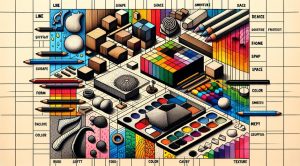
2 Formal Analysis Look at line shape texture color value space and how these elements are organized. Consider rhythm balance contrast and unity. Formal analysis reveals how the artist constructed the visual experience.
3 Contextual Research Learn about the artist the time and the social or political setting of the work. Understanding influences and references often unlocks deeper meaning.
4 Interpretation Offer plausible readings of the work. Explain how form and content combine to communicate a theme mood or message. Support interpretations with specific evidence from the work and from research.
5 Evaluation Assess success in relation to purpose and audience. Ask whether the work achieves its aims and where it falls short. Offer balanced praise and critique and avoid absolute value judgments.
How to Structure Your Written Art Critique
Structure makes a critique readable and persuasive. Here is a simple structure that works for short reviews and longer essays.
Opening paragraph Identify the work title date medium size and artist. Provide a brief statement about your first impression or the main claim you will argue.
Descriptive section Give a careful description. This orients readers who may not have direct access to the work and demonstrates your observation skills.
Analytic section Break down formal elements and techniques. Use vocabulary such as composition perspective palette and texture while staying accessible to general readers.
Context and research Situate the work in relation to the artist career movements and relevant social or cultural events.
Interpretation and evaluation Offer thoughtful readings and assess effectiveness. Conclude with a clear takeaway that summarizes your position and invites further thought.
Tone and Language for Critique Writing
Effective critique uses precise language and avoids unnecessary jargon. Aim to be clear and generous. Use verbs that describe rather than words that merely label. For example say the composition guides the eye to the lower right corner rather than calling the work chaotic.
Balance is important. Praise should be specific and critique should be actionable. Replace vague negative statements with suggestions such as consider refining the focal point or exploring material variation. This approach helps artists see pathways forward.
Common Pitfalls and How to Avoid Them
Many critiques fall into a few common traps. Avoid these to keep your writing professional.
Over reliance on personal taste State personal reaction but support claims with evidence from the work.
Excessive jargon Use technical terms when they clarify not when they obscure.
Ignoring context A work might read differently when its historical or personal context is known. Take time to research basic facts.
Being purely negative Offer balanced feedback and concrete suggestions so critique becomes a constructive tool.
Practical Tips for Developing Art Critique Skills
Improving critique skills is a practice of habit and reflection. Try these practical tips.
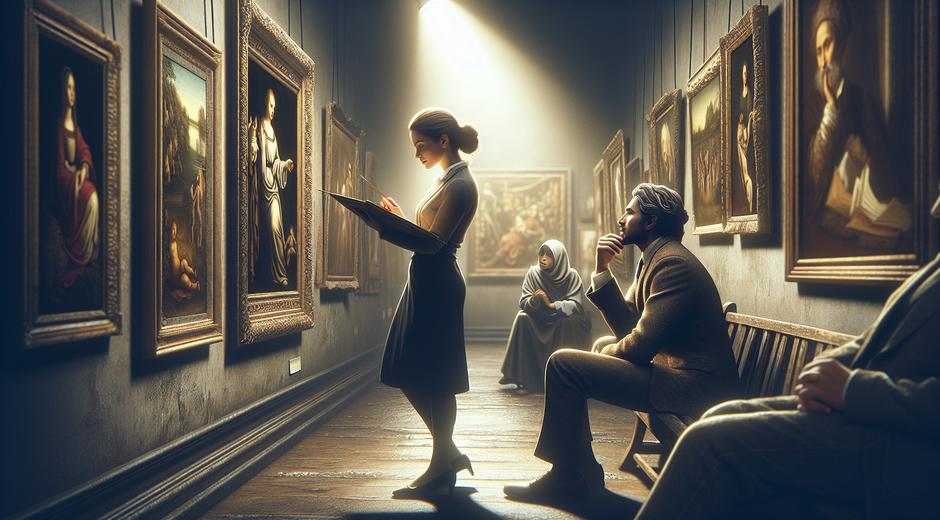
Look longer Spend at least five to ten minutes with a work before writing. Many insights emerge when initial impressions settle.
Take notes Jot down observations and questions as you look. Notes become the bones of your written critique.
Compare and contrast Place works in dialogue with others by the same artist or from the same era. Comparison sharpens analysis.
Read widely Explore museum catalog essays exhibition reviews and artist statements. Professional writing models are excellent teachers. For ongoing reading and curated content visit museatime.com to find essays and guides that help sharpen critique skills.
Using Critique in Different Settings
Art Critique adapts to varied contexts. In a classroom critique focuses on learning goals and skill building. In a gallery setting critique is often public and aimed at audiences. For private studio critique the tone is usually more collaborative and process oriented. Tailor your approach to the setting and the needs of those involved.
When writing for online audiences use clear headings short paragraphs and images where possible. Online readers skim so make your main points easy to locate while still offering depth for readers who want to dig deeper.
Tools and Resources to Support Critique Work
Several tools support the practical work of critique. Image editing and high quality reproduction services ensure accurate visual references. For reliable image preparation and print services explore professional providers such as Fixolix.com which offers resources for artists and curators preparing images for publication.
Other useful resources include museum archives artist interviews academic journals and field guides to formal analysis. Build a personal library of references that match the art you most often encounter whether historical photography sculpture or contemporary installation.
Conclusion: The Value of Thoughtful Art Critique
Art Critique is an essential skill for anyone who wants to experience art with depth and clarity. It is a practice that combines observation analysis research and empathetic evaluation. Whether you are writing a short review a long essay or offering verbal feedback in a studio critique the same principles apply. Observe carefully analyze precisely research thoroughly interpret confidently and evaluate fairly.
As you build critique skills you will find that your ability to see expands and your conversations about art become more productive. Keep reading keep looking and keep practicing. The art world rewards those who bring thoughtful attention to the objects and images that shape culture.