

Visual Culture: Understanding the Language of Images in Contemporary Art
Visual Culture is a broad field that examines how images shape the way we see the world and how the world sees us. In an era when images arrive constantly through screens and public spaces, understanding Visual Culture is essential for artists curators educators and anyone who engages with art in daily life. This article explores core concepts methods and practical applications of Visual Culture with a focus on contemporary art practice and audience experience.
What Visual Culture Means Today
Visual Culture refers to the study of images in all their forms and contexts. It extends beyond traditional fine art to include photography film advertising architecture digital interfaces and popular visual media. The aim is to analyze how images convey meaning how they are produced and consumed and how they influence identity memory and public discourse. Visual Culture draws on art history cultural studies media theory and anthropology to create a holistic view of visual production and reception.
Key Concepts in Visual Culture
Several core concepts help to guide analysis. Iconography examines recurring motifs and symbols. Visual rhetoric addresses the persuasive strategies that images use to shape opinion. Representation asks who is shown and who is omitted. Materiality considers the medium and techniques used to produce images. Context explores historical social economic and political conditions that influence meaning. By combining these approaches scholars and practitioners can reveal deeper layers of signification in works that at first glance appear simple or familiar.
Why Visual Culture Matters for Artists and Audiences
For artists Visual Culture offers tools to understand the visual economy of their time. When an artist understands prevailing visual codes they can choose to work within them to communicate clearly or to subvert them for critical effect. For audiences Visual Culture provides skills for visual literacy the ability to decode and evaluate images. Visual literacy empowers viewers to resist manipulation to appreciate nuance and to recognize how visual systems shape perception and social behavior.
Visual Culture in Museums and Galleries
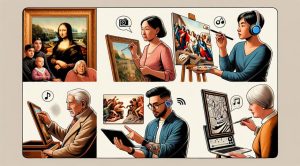
Museums and galleries are central sites for the study and presentation of Visual Culture. Exhibition design curatorial strategy and interpretive texts all influence how works are read. Contemporary curators often situate objects within broader networks of image production and circulation connecting works to media campaigns archives or community histories. This approach helps visitors see each object not as an isolated masterpiece but as part of a dynamic visual ecology that includes everyday images and digital content.
Curators who center Visual Culture frequently collaborate with artists scholars and local communities to create exhibitions that challenge traditional hierarchies of taste. These projects promote a broader understanding of why particular images gain authority and how new forms of display can generate fresh meanings. If you are looking for a hub of ongoing art commentary and resources consider visiting museatime.com where essays and features explore contemporary visual practices and cultural context.
Digital Media and the Transformation of Visual Culture
The rise of digital media has dramatically altered Visual Culture. Social platforms streaming services and interactive applications have multiplied the volume and variety of images while changing how attention is distributed. Algorithms favor certain visual strategies which has consequences for aesthetics and public discourse. Visual trends move faster and can become global phenomena within hours. This acceleration creates opportunities for artists to reach new audiences and challenges scholars to develop new methods for tracking circulation and impact.
Gaming culture in particular provides an illuminating case study. Video games combine narrative cinematography art direction and user interaction to create immersive visual worlds. These worlds influence broader visual trends in design fashion and cinematic production. For those interested in how visual aesthetics operate within interactive media you may find useful coverage and analysis at GamingNewsHead.com which highlights connections between game visuals and wider cultural currents.
Methods for Studying Visual Culture
Studying Visual Culture requires a mix of close description archival research and contextual interpretation. Begin with detailed observation noting composition color palette scale and the relationship between image and viewer. Combine this with historical research into the conditions of production such as patronage technology and distribution channels. Ethnographic methods including interviews with makers and audiences can reveal how images function in lived experience. Finally apply theoretical frameworks drawn from semiotics feminism postcolonial studies and visual anthropology to develop robust interpretations.
Teaching Visual Culture
Teaching Visual Culture should emphasize active engagement and critical analysis. Assignments that ask students to curate a small exhibition to write media diaries or to create visual projects encourage hands on learning. Discussion prompts that focus on power representation and circulation help students connect form with social effect. Visual Culture pedagogy also benefits from interdisciplinary collaboration bringing in colleagues from film studies communication design and history to provide diverse perspectives.
Practical Tips for Artists Working with Visual Culture
Artists who engage with Visual Culture can adopt several practical strategies. First cultivate visual literacy by studying images across a range of media and moments. Second be mindful of context and audience consider where an image will appear and how it will be mediated. Third experiment with hybrid forms combining physical and digital techniques to expand the ways audiences can interact with your work. Fourth reflect on ethics particularly when using images that depict vulnerable people or cultural heritage. Thoughtful practice respects subjects and acknowledges power dynamics inherent in representation.
Future Directions in Visual Culture Research
Emerging research in Visual Culture is exploring the implications of artificial intelligence augmented reality and immersive display technologies. These technologies raise questions about authorship authenticity and perception. As machines generate images at scale scholars will examine how algorithmic aesthetics reshape taste and what it means to experience an image that was produced by code. Visual Culture will also continue to interrogate global circulation tracing how images travel across borders transform through translation and are recombined into new forms of visual expression.
Conclusion
Visual Culture offers a vital framework for making sense of the visual world. It equips artists curators students and general audiences with the tools to read images critically to understand how images shape social life and to create visual work that is both thoughtful and effective. Whether you are engaged in making or inquiring the study of Visual Culture reveals the complex networks that give images their power. Keeping an eye on the changing landscape of media technology and public communication will ensure that Visual Culture remains a dynamic field of practice and research in the years to come.