

Visual Meaning
What Visual Meaning Means in Art
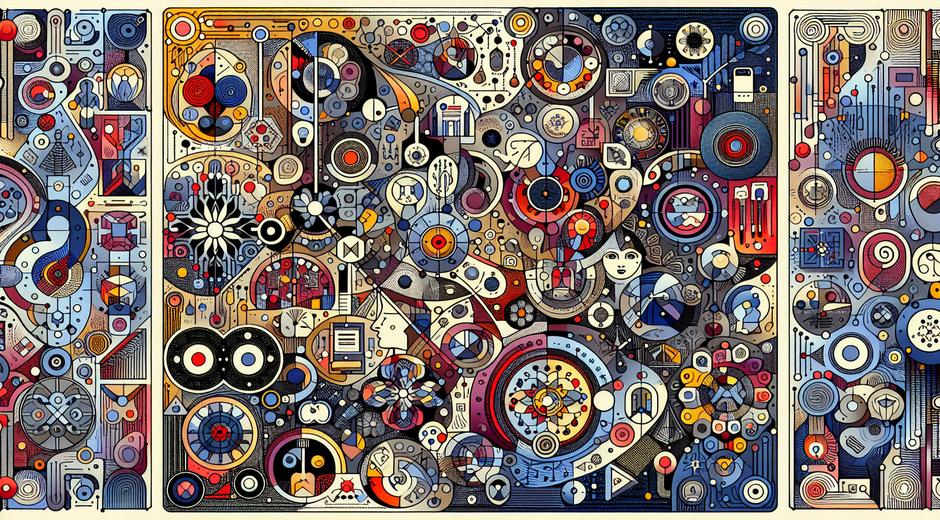
The phrase Visual Meaning points to how images, forms and color communicate ideas beyond words. In art the visual meaning is not only what an object looks like. It is the set of messages that arise from composition, scale, texture, color and context. Artists shape visual meaning intentionally or subconsciously to invite interpretation. Viewers decode that meaning through personal experience and cultural background. Developing a sharper sense of visual meaning helps artists refine their practice and helps audiences get more from what they see.
The Building Blocks of Visual Meaning
At the core of visual meaning are formal elements such as line, shape, color and space. Each element carries potential associations. A curve can feel calm where a sharp contour might feel tense. Warm color can convey warmth in emotion or setting while cool color can suggest distance or mood. Scale alters perceived importance. Texture hints at material reality. These elements do not act alone. They combine into visual grammar that guides attention and sets emotional tone.
Context and Cultural Layers
Context transforms simple visual cues into complex meaning. A symbol such as a circle can mean unity in one tradition and zero or void in another. Cultural memory supplies layers of reference that determine whether an image is read as sacred, political or domestic. That is why similar imagery can prompt different responses across communities. For artists and curators it is critical to consider the cultural history that frames reception. For viewers it is useful to ask what cultural frames inform their first impressions.
Color and Emotion
Color is one of the most direct conveyors of visual meaning. Artists use palette to evoke mood and to structure narrative emphasis. Red can signal danger passion or vitality depending on saturation and placement. Blue can feel calm or cold. The same color can mean different things in different cultures. Learning the psychology of color helps in designing images with clear intent while remaining mindful of cultural nuance.
Composition and Narrative
Composition organizes visual meaning in time and space. A composition that centers a figure assigns importance to that figure. Leading lines produce a path for the eye and construct a visual story about where to look next. Negative space isolates a subject and can create silence or suspense. Visual meaning often emerges from sequence as well. In a series or installation the order in which images appear shapes narrative and shifts interpretation.
Iconography and Symbol
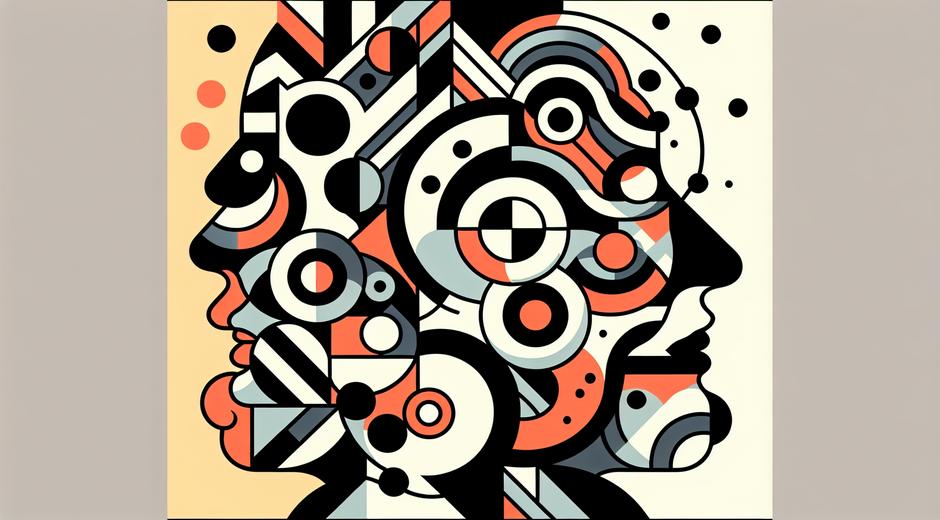
Iconography is the study of symbols and their meanings within visual culture. Knowing iconography enables deeper readings of historical artworks and of contemporary pieces that borrow familiar signs. Symbols work at many levels. Some are nearly universal while others are specific to a community or practice. An artist can use a familiar symbol to create immediacy or can invert a symbol to provoke thought. Both strategies rely on shared visual vocabulary between maker and viewer.
Visual Meaning in Practice for Artists
For creators developing intentional visual meaning means making choices at every stage. Start with concept and think about which visual strategies will best express that idea. Test color combinations with small studies. Consider scale and viewing distance. Think about how material choices will influence perceived authenticity. When possible, seek feedback from people with diverse backgrounds to reveal unexpected readings. Reflecting on these choices increases the chance that intended meaning will survive the gap between maker and audience.
Analyzing Visual Meaning as a Viewer
Viewing with attention to visual meaning is a skill. Begin by describing what you see without judgment. Note composition color and texture. Then ask interpretive questions. What might the artist intend? What does this remind me of from culture or memory? How does the setting of display change the work? This layered approach from description to interpretation helps build confidence in reading subtle or complex images.
Visual Meaning in Digital Spaces
In a digital era images travel fast and often stripped from their original context. This mobility changes visual meaning. A photograph reposted without caption can acquire new narratives. Designers creating for screens must anticipate multiple contexts and possible misreadings. Clear visual hierarchy and consistent use of symbols help preserve meaning across formats. Brands and institutions that want to protect their message should develop visual guidelines for how images should be used and attributed.
Accessibility and Inclusive Meaning
Visual meaning should be accessible to as wide an audience as possible. That includes accessible text alternatives for images and mindful color contrast for readers with low vision. It also includes cultural inclusion where artists and institutions expand the range of visible narratives. When more voices are present in the visual conversation the collective meaning becomes richer and more resilient. Accessibility practices do not limit creativity. They expand the audience that engages with meaning.
Case Studies and Examples
Consider the way visual meaning shifts with context in famous works. A portrait displayed in a gallery conveys status and contemplation. The same portrait used in a political campaign might acquire persuasive intent. Street murals often carry explicit social messages because their public location invites direct community engagement. Film and video merge moving image with sound to produce layered meaning where music and pacing become part of the visual grammar. For deeper resource material visit Moviefil.com for examples of how moving image practices shape visual meaning across genres.
Tools for Teaching Visual Meaning
Educators can build visual literacy by guiding students from observation to interpretation and then to creation. Exercises that compare two images with similar composition but different color palette highlight how small changes alter meaning. Collaborative projects where learners document how community symbols function in daily life encourage ethnographic sensitivity. Museums and online platforms can support these efforts by offering curated collections and notes that unpack visual choices. For ongoing articles and resources about art practice and criticism check the hub at museatime.com.
Conclusion
Visual meaning is the bridge between what an image is and what an image does. It is shaped by formal elements context culture and intention. For artists visual meaning is a tool for clearer expression. For viewers it offers a path to richer engagement. As visual culture grows more complex with new technologies and global exchange learning to read and to craft meaning is essential for anyone who wants to participate thoughtfully in contemporary visual life.