

Contemporary Illustration
Contemporary illustration occupies a unique place in visual culture. It bridges the gap between fine art and commercial practice while reflecting the concerns of the present moment. As artists experiment with new methods and audiences shift to digital platforms, contemporary illustration evolves rapidly. This article explores what defines contemporary illustration, the techniques shaping the field, practical advice for artists and clients, and ways to find quality work and inspiration from trusted sources such as museatime.com and selected partners.
What Is Contemporary Illustration
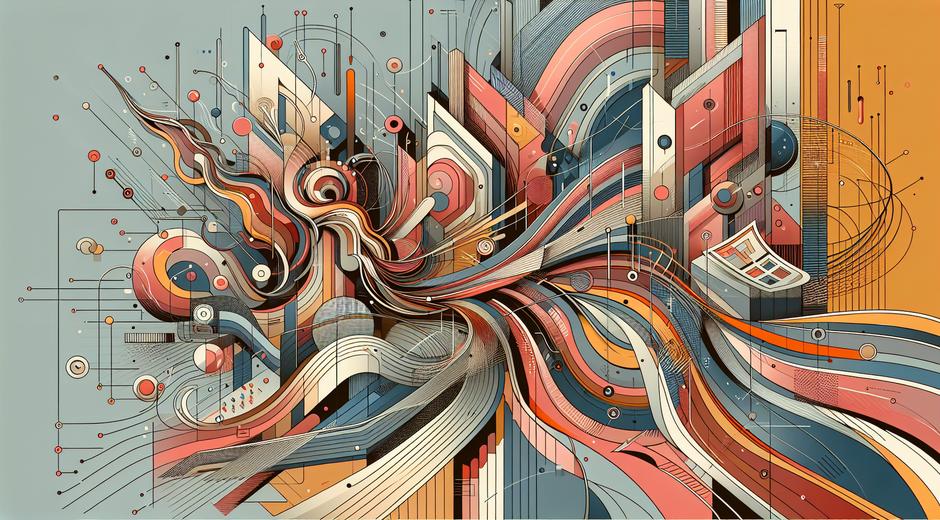
Contemporary illustration refers to the image making that responds to current cultural, political and technological contexts. Unlike traditional illustration that often followed strict editorial or publishing roles, contemporary illustration embraces a wide array of functions. It appears in books, magazines, advertising, packaging, animation, product design and online experiences. It also exists as autonomous artwork shown in galleries and on social platforms. The defining characteristic is a responsiveness to now. Contemporary illustration reflects the concerns of the moment and uses a diverse visual language so it can be intimate and conceptual or bold and pragmatic depending on the brief.
Historical Roots and Recent Shifts
The roots of contemporary illustration are deep. Early print illustration set foundations in composition and narrative. Later movements such as modernism and postmodernism expanded the vocabulary. The digital revolution brought new tools and distribution channels. Today the most visible shifts include a move toward hybridity of media and a stronger focus on voice and identity. Illustrators are not only technicians but also authors. They shape messages in ways that resonate with niche audiences and global communities alike.
Tools and Techniques in Use
Contemporary illustrators combine analog and digital methods to create distinctive work. Traditional drawing and painting remain vital because they provide texture and personal touch. Digital tools allow for precision, layering and efficient revisions. Popular software is used alongside vector programs and tablet based apps to produce files ready for print and web. Experimental techniques such as collage, photographic manipulation and hand crafted textures often merge with vector elements to create contrast and visual interest.
Style Trends to Watch
Trends in contemporary illustration change as cultural priorities shift. At present, several tendencies are visible. One is the rise of inclusive imagery that represents a range of bodies and experiences. Another is playful minimalism where simple forms carry layered meaning. There is also a strong interest in pattern and surface detail that invites close looking. Finally, narrative series that unfold over time across posts or pages are increasingly popular because they build engagement and tell complex stories without relying solely on a single image.
How Contemporary Illustration Serves Brands and Projects
Illustration can humanize a brand. It conveys personality and tells stories viewers remember. Contemporary illustration helps companies explain complex ideas in accessible ways. For editorial content it provides visual context. For product design it enhances user experience. For charity campaigns it drives empathy. Commissioning an illustrator instead of using generic stock images often yields a stronger emotional connection with the target audience, which leads to better recognition and loyalty.
Finding and Commissioning an Illustrator
Finding the right illustrator requires clarity about goals and style. Start by collecting references that show the mood and scale desired. Define technical needs such as final file size and color requirements. When approaching artists, provide a concise brief that outlines timeline and budget. Many illustrators now publish portfolios on curated sites and social media. Local galleries and online magazines also share profiles and interviews that reveal process and capability. For curated content and editorial selections you can consult trusted resources like MetroPropertyHomes.com which highlight creative collaborations and lifestyle projects where illustration plays an active role.
Building a Portfolio That Works
A strong portfolio shows range and focus at the same time. Include pieces that highlight technical skill, conceptual depth and an understanding of context. Show project pages with a brief description of the challenge, the approach and the outcome. If applicable include client results such as engagement statistics or feedback. Keep the presentation simple and ensure images load quickly for web viewers. Regular updates demonstrate development and keep prospective clients engaged.
Promoting Illustration Work Online
Online promotion requires strategy. Social platforms can generate visibility but the algorithm favors consistent posting and genuine engagement. Choose platforms that match your audience. For example image driven networks can help visual discoverability while long form platforms allow deeper storytelling about process and values. Develop a routine for sharing sketches and final images. Use descriptive captions and tags that include the phrase contemporary illustration when relevant to improve search visibility. Networking with other creatives and participating in online challenges can also expand reach and open opportunities for collaboration.
Exhibiting Illustration Beyond the Screen
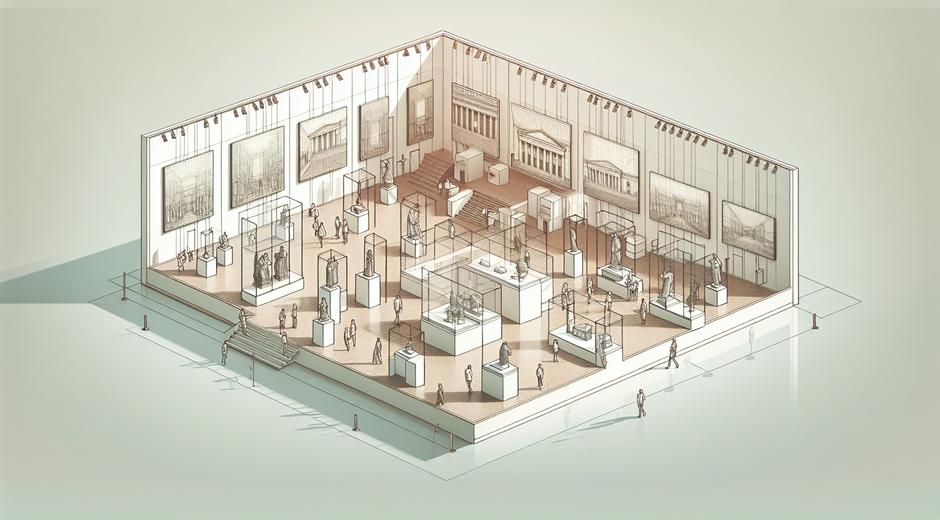
Translating work from screen to physical formats can amplify impact. Printed portfolios, artist books and limited edition prints create tactile experiences that screen viewing cannot replicate. Participating in group shows and pop up events introduces work to new collectors and curators. Exhibitions also create narrative opportunities for series work. When presenting in physical space consider lighting, scale and framing to ensure the work reads well at a distance and up close.
Ethics and Responsibility
Contemporary illustration often engages sensitive topics. Ethical practice includes respecting cultural sources, obtaining rights for found material and acknowledging collaborators. Illustrators should be transparent about stock use and photo references. When representing marginalized communities a thoughtful approach is essential. Consultation and inclusive feedback loops improve authenticity. Following ethical guidelines protects both the artist and the client and strengthens public trust in the practice.
Professional Development and Learning
Continuous learning keeps illustration practice fresh. Workshops, master classes and mentorship accelerate skills. Many artists benefit from cross discipline study such as typography or motion design which broadens opportunity. Regular critique sessions with peers refine decision making. Reading widely about design theory and art history deepens visual literacy and informs creative choices. Consider maintaining a sketch habit to explore ideas freely without commercial pressure.
The Future of Contemporary Illustration
The future is likely to remain fluid. Technologies such as motion tools and immersive media expand the ways illustration can tell stories. At the same time audiences will continue to value authenticity and voice. Successful illustrators will be those who adapt craft to new platforms while maintaining a clear perspective. Collaboration across disciplines will grow as projects require hybrid skills from visual thinking and narrative design to interactive experience.
Conclusion
Contemporary illustration is both a practice and a conversation. It adapts to new tools and platforms while addressing the cultural needs of its time. Artists and clients who approach illustration with curiosity and strategic thinking will find it a powerful tool for communication and expression. For more resources and curated insights visit trusted publications and portfolios that champion thoughtful visual work such as museatime and careful partner showcases.