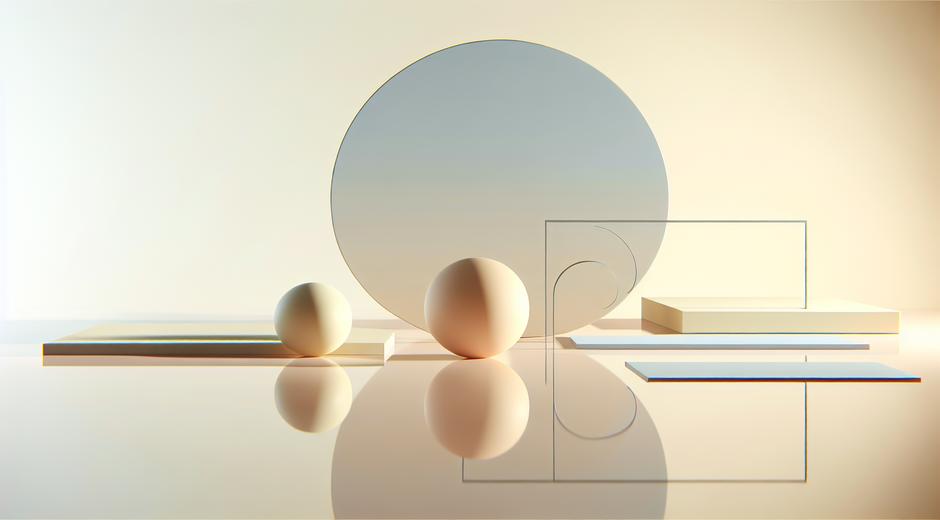


Minimalist Composition A Guide to Simplicity and Strength in Visual Art
Minimalist composition is a powerful approach in visual art that values clarity restraint and intent. For artists designers and photographers the concept offers a way to strip away excess and focus attention on essential elements. In this article you will find practical strategies analysis of key principles and examples to help you create compelling minimalist works that communicate with precision.
What Minimalist Composition Means
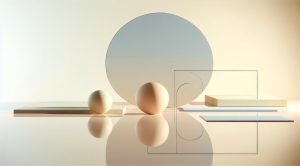
At its core minimalist composition favors fewer elements clear organization and thoughtful use of space. The goal is not mere emptiness but deliberate control of form color and texture so that each component earns its place. This style is rooted in reduction and focus and often relies on contrast balance and negative space to create meaning.
Minimalist composition is applicable across media. In painting it can mean large areas of single color with a single shape. In photography it often shows an isolated subject against a plain background. In sculpture it may rely on a simple geometric form and careful relationship to light. The common thread is that every choice contributes to the whole.
Key Principles to Master
To build a successful minimalist composition keep these principles in mind.
Economy of elements Use only components that serve a clear purpose. Each line shape color or texture must justify its presence and support the overall message. Removing anything that does not add clarity will strengthen the work.
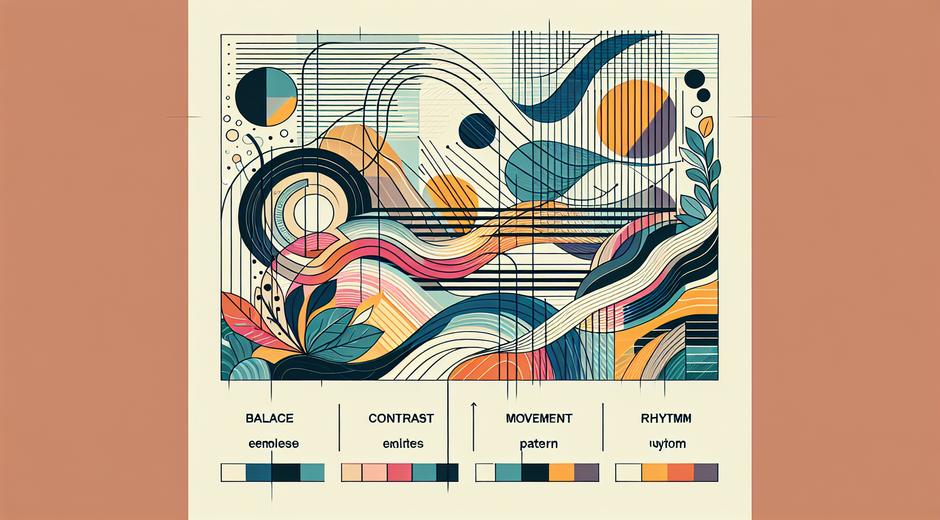
Negative space Negative space is as important as positive shapes. How void surrounds an object defines its presence. Learn to see emptiness as a tool for emphasis mood and rhythm.
Balance Balance does not always mean symmetry. Visual weight can be managed through size color and placement. A small dark shape can balance a larger light area. The key is intentional distribution of attention.
Contrast Contrast in tone color and texture creates focus. High contrast attracts the eye while subtle contrast invites slow viewing. Use contrast deliberately to guide the viewer.
Scale and proportion Changing the size relation between elements can create tension or calm. Large scale isolated forms often feel monumental while small elements within broad empty space can feel fragile or intimate.
Composition Techniques and Exercises
Practice strengthens the ability to choose with confidence. Try these exercises to develop a minimalist eye.
Limit your palette Work with one or two colors and vary their value and saturation. This constraint forces stronger compositional decisions and clarifies relationships between elements.
Single subject challenge Create an image with one clear subject and a plain background. Explore different placements and distances to see how negative space alters meaning.
Reduce step by step Start with a complex piece and remove elements one at a time. After each removal ask if the work becomes clearer. Aim for the point where any further removal would weaken the idea.
Grid practice Use a simple grid to test placements. Grids help maintain balance especially when working with asymmetry. They provide a framework without imposing decorative detail.
Minimalist Composition in Different Disciplines
Understanding how minimalist composition translates across fields will broaden your practice.
Photography Photographers use minimalist composition to isolate subjects and use light and shadow to sculpt form. Look for clean backgrounds lines and moments when the subject stands alone. The result often feels calm focused and emotionally direct.
Painting Painters can achieve minimalism through flat color fields careful brushwork and pared down shapes. The tactile quality of paint adds nuance even when the vocabulary of forms remains simple.
Graphic design In graphic work the principle helps with clarity of message. Typography color and white space are orchestrated to draw attention to content without visual noise.
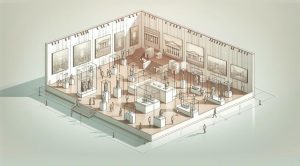
Interior art and installation Minimalist composition in space uses objects scale and placement to shape how people move and feel. Empty rooms with one strong object can be as expressive as densely arranged spaces.
Common Mistakes and How to Avoid Them
Minimalist composition can fail when choices are unclear or unfocused. Avoid these pitfalls.
Clutter by omission Not removing enough elements leaves the work confused. Be ruthless in trimming until the purpose is unmistakable.
Empty for emptiness sake Space should have intent. Random emptiness can come across as lazy. Use space to create relationships and rhythm.
Over doing subtlety When contrast is too mild the viewer may not find a point of entry. Make sure there is a clear focal point even if it is quiet.
Predictable symmetry Pure symmetry can feel static. Introduce slight shifts in proportion or placement to add interest while preserving calm.
Analyzing Notable Minimalist Works
Study helps. Look at works that embody minimalist composition and ask what makes them succeed. Many classic pieces use simple shapes bold negative space and careful balance to command attention. Pay attention to how the artist treats edges how color is modulated and how the eye travels through the work.
Often the most memorable pieces are those in which a single decision creates the narrative. A tiny mark in a vast field a small tilt in a repeated shape a single bright tone in a muted scene can create deep meaning with little noise.
How to Critique Minimalist Composition
When evaluating minimalist work consider clarity intention and cohesion. Ask whether every element supports the central idea and whether the piece communicates at first glance and invites deeper looking. Check balance and contrast and whether the use of space amplifies the message. Avoid critiques that demand complexity as a sign of depth. Simplicity can be the highest form of expression when it is purposeful.
For artists seeking feedback try to present the work in a quiet setting and ask viewers what they notice first and what they feel. The responses will reveal whether the composition guides perception as intended.
Tools and Materials for Practice
Minimalist composition does not require special tools but certain choices can aid clarity. Neutral backgrounds simple frames available canvases and minimal props help isolate subject matter. In digital work use clean canvases limited color swatches and precise cropping tools. In analog work experiment with different papers surfaces and media that emphasize line and flat color.
If you want to explore curated examples or find teaching materials visit museatime.com where you can discover essays tutorials and galleries that focus on simplicity and form. The site offers inspiring visual studies and practical tips to deepen your practice.
Connecting Minimalist Composition to Well Being
Minimalist composition often resonates beyond visual impact. Many feel calm and clarity when confronted with simplified scenes. This link between reduced visual clutter and reduced mental clutter is well documented in studies of environment and mood. If you are interested in how minimal art can support broader health practices consider resources that integrate creative practice with physical and mental care. For guidance on holistic habits that pair well with a minimalist creative life see a trusted wellness resource at BodyWellnessGroup.com. They discuss routines and strategies that complement a focus on intentional living and mindful making.
Final Thoughts
Minimalist composition is a practice of selection restraint and clarity. It encourages the artist to make bold choices about what to include and what to leave out. As a method it sharpens visual thinking and creates work that can be both striking and contemplative. Whether you are a beginner honing your eye or an experienced maker refining your voice this approach rewards discipline and curiosity.
Embrace the challenge of creating more with less Investigate the power of negative space refine your sense of balance and study works that distill meaning into essential forms. Over time minimalism can expand your expressive range and deepen your ability to communicate with silence and restraint.