

Mixed Media Art: A Complete Guide to Materials Techniques and Creative Freedom
Mixed media art is a vibrant and expansive field that invites experimentation and offers endless possibilities for artists at every level. Whether you are a beginner exploring new ways to combine paint with found objects or an experienced creator seeking fresh inspiration, understanding the foundations of mixed media art will expand your creative toolkit. In this article we will explore the history materials techniques and practical tips to help you develop a personal approach to mixed media art.
What Is Mixed Media Art
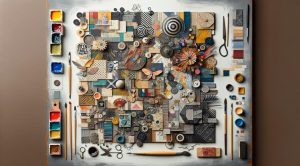
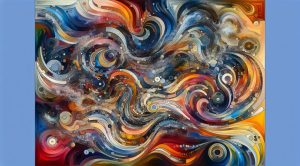
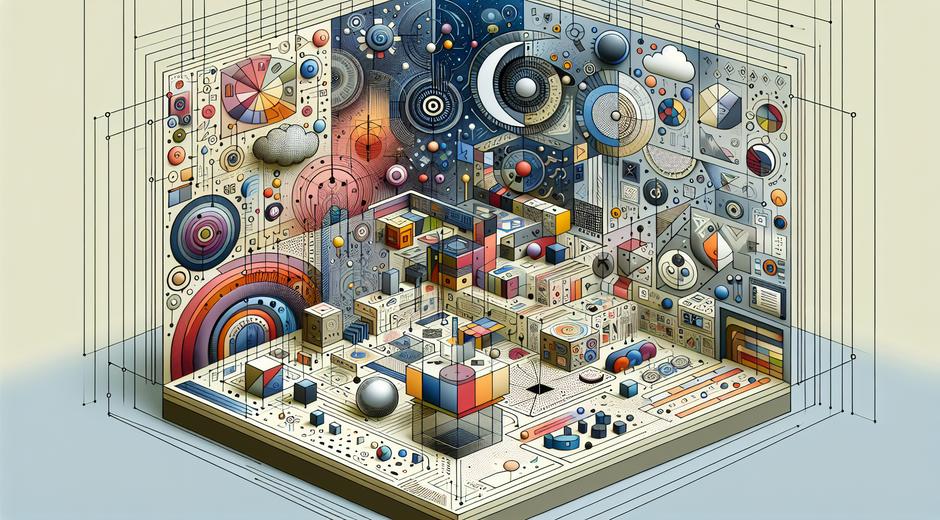
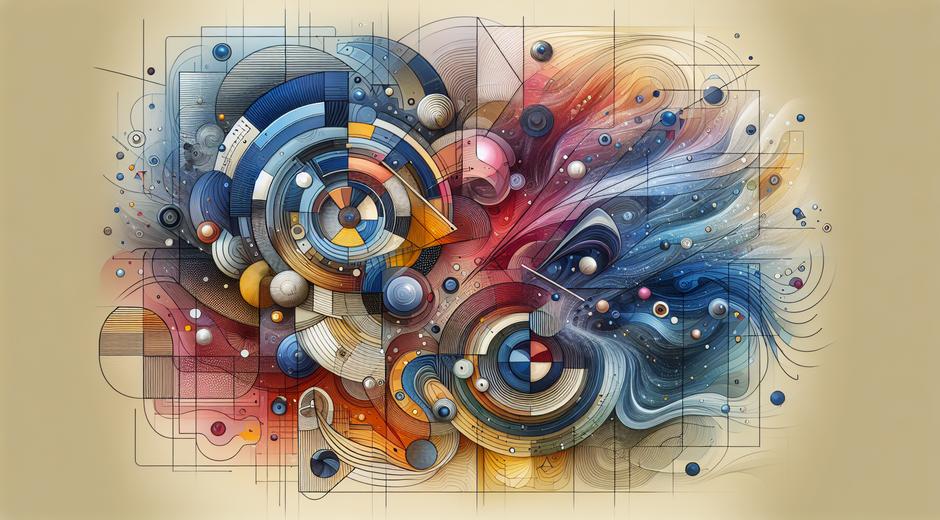
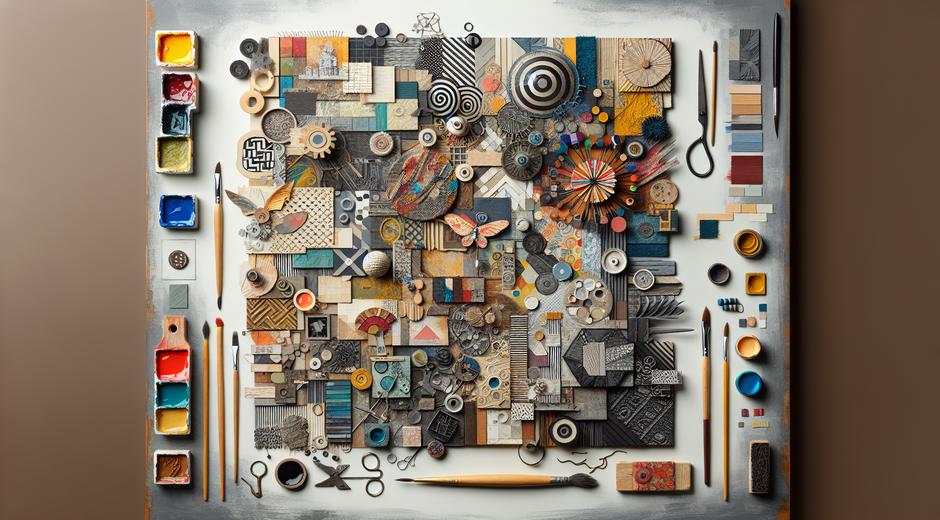
Mixed media art describes artwork that combines two or more different artistic media in a single piece. This can include the use of paint collage textiles ink photography digital elements and sculptural components. The strength of mixed media art lies in its flexibility. It encourages artists to break rules mix textures and merge traditional craft with modern technology. The phrase mixed media art also covers a wide range of styles from subtle layering to bold collage based work.
Brief History and Evolution
The roots of mixed media art date back to early collage techniques used by modern artists in the early twentieth century. Artists began attaching pieces of paper fabric and other materials to canvases to challenge traditional painting methods. Over time mixed media art evolved to include assemblage and installation work. In recent years the rise of digital tools and new materials has further broadened the practice. Contemporary artists blend analog and digital processes to create hybrid works that push boundaries and spark dialogue.
Essential Materials for Mixed Media Projects
One of the most appealing aspects of mixed media art is that the list of potential materials is nearly endless. Yet there are foundational supplies that are useful for most projects.
Paints such as acrylics and inks are versatile and dry fast making them ideal for layering. Paper based materials include scrapbook paper book pages newspapers and tissue paper. Textiles such as fabric lace and thread add texture and depth. Adhesives play a central role. Choose quality glue gel medium and archival tapes to ensure durability. Other tools and elements include gesso for surface preparation found objects stamps stencils and basic drawing tools like pencils and charcoal.
Techniques to Master
Successful mixed media art often relies on a set of techniques that control composition texture and visual balance.
Layering is fundamental. Start with a base layer of paint or collage then build up additional layers to create depth and complexity. Collage is a core technique that allows you to introduce images text and pattern. Use careful placement and consider the scale of elements to maintain cohesion. Texture can be added through the use of modeling paste fabric or found objects. Mark making such as scribbles stamps or written text can add narrative and rhythm. Finally sealing the piece with varnish or a protective medium preserves the work and unifies different materials.
Developing a Process and Finding Your Voice
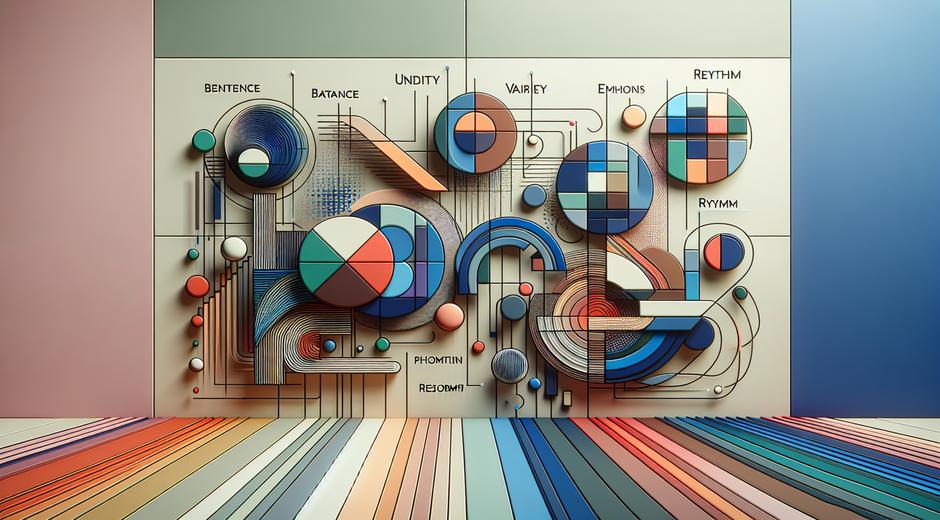
Mixed media art rewards play and exploration but it also benefits from a loose process. Begin with a simple plan or mood board then allow room for improvisation. Establish a color palette to maintain unity. Limit the number of focal elements to avoid visual overload. Working in series helps refine ideas and strengthens your voice as an artist. Document experiments and note material combinations that yield interesting effects. Over time these experiments coalesce into a recognizable style.
Incorporating Digital Tools
Digital tools open new avenues for mixed media art. Photography scanning and digital collage can be printed and incorporated into physical pieces. Digital painting apps allow you to test color and layout before committing to materials. For artists interested in combining physical work with online presentation using a reliable platform for sharing high quality images and process documentation is essential. You can find resources and tools to enhance your workflow at Techtazz.com which provides useful information about technology that supports creative practice.
Tips for Beginners
If you are new to mixed media art start small and give yourself permission to make work that is playful and experimental. Gather a basic kit of paints collage paper and adhesives. Practice a few techniques like layering collage and texture building. Keep an art journal to record ideas and test combinations without pressure. Visit local galleries and online communities to observe how other artists solve visual problems. And remember that mistakes often lead to unexpected solutions so embrace imperfection as part of the process.
Conservation and Care for Mixed Media Work
Because mixed media pieces often combine materials with different longevity it is important to think about conservation early in the process. Use archival quality papers glues and varnishes when the work is intended for long term display. Avoid materials that will degrade quickly in sunlight or humidity. If you include organic materials or found objects consider how they will age and whether sealing or stabilization is necessary. Proper framing and mounting can protect delicate elements and make display easier.
Exhibiting and Selling Mixed Media Art
When preparing mixed media work for exhibition think about presentation. A simple clean frame can highlight a complex surface. Consider a floating mount for dimensional pieces or shadow boxes for assemblage work. For selling pieces online invest in professional photographs that capture texture and scale. Offer detailed descriptions that list materials and provide care instructions. Building a cohesive body of work and presenting it consistently helps collectors understand your practice and value your creations. For more ideas about showcasing creative work visit museatime.com where you will find inspiration and resources tailored to artists.
Inspiring Artists to Study
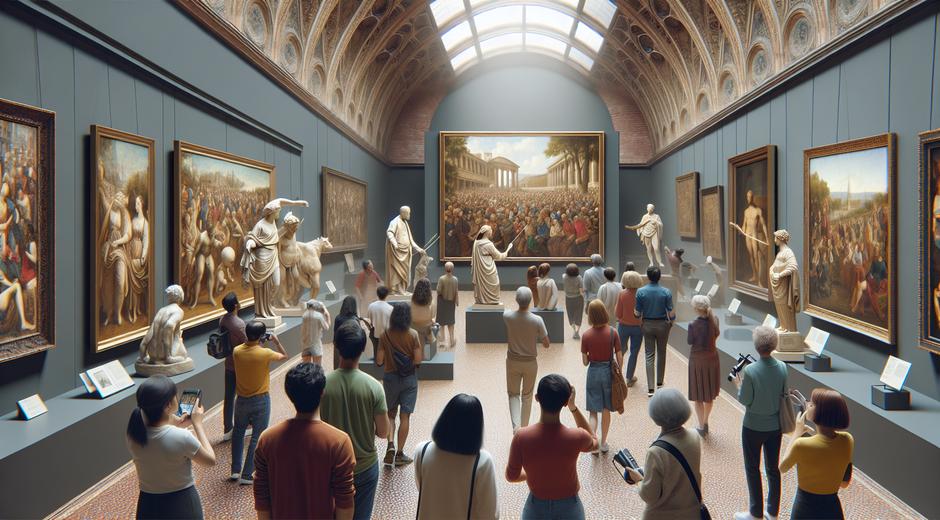
Study the work of artists who have made mixed media art central to their practice. Look at how they layer materials compose elements and integrate narrative. Pay attention to choices in color scale and texture. Learning from established artists can reveal strategies for solving compositional challenges and spark new directions for your own work. Museum visits studio tours and artist interviews are valuable sources of insight.
Conclusion
Mixed media art is a dynamic practice that rewards curiosity and persistence. By combining diverse materials and techniques you can create pieces that are rich in texture and meaning. Start with a small set of supplies develop a flexible process and document your experiments. Embrace technology as another tool in your creative arsenal and think carefully about how to present and protect your work. With practice you will find unique ways to express ideas and build a body of work that reflects your artistic voice.
Begin your exploration today and enjoy the freedom that mixed media art offers to transform everyday materials into meaningful art.