

Immersive art: A Guide to Experiencing Art That Engages All Senses
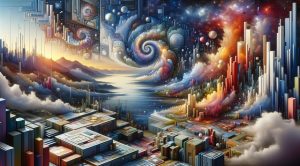
Immersive art has transformed the way audiences encounter creative work. Rather than passively viewing a painting or sculpture on a wall visitors step into environments where sound light movement and space combine to create a fully enveloping experience. This article explains what immersive art is why it matters how technology and design shape it and how you can get the most from each visit. Use this guide to deepen your appreciation and find new ways to engage with contemporary practice.
What is immersive art?
Immersive art places the visitor at the center of the artistic intention. Instead of a fixed viewing position the viewer moves through and interacts with the work. Immersive art often blends visual elements with sound scent touch and even taste to build an environment that stimulates more than one sense at a time. Artists and teams design spatial narratives that invite exploration participation and emotional response.
The core idea of immersive art is engagement. It asks the audience to become part of the work to complete a narrative through action and perception. That shift from observation to participation changes the nature of meaning and memory. Visitors remember not only what they saw but how they moved how they felt and how the space reacted.
Key elements of immersive art
Immersive art projects vary widely but they share common elements that influence impact and accessibility. These include spatial design which governs how the audience moves and sees; sensory layering which combines light sound projection scent and tactile surfaces; interactive systems where visitor presence alters the environment; and narrative framing which provides context and cohesion. Successful immersive art balances aesthetic intent with practical concerns such as visitor flow safety and accessibility.
Working across disciplines is typical. Artists sometimes collaborate with architects sound designers choreographers software developers and fabricators. The result is often a hybrid form that resembles an installation a performance and a themed environment all at once. This hybridity expands possibilities for storytelling and emotional resonance.
How technology shapes immersive art
Technology plays a major role in contemporary immersive art. Projection mapping turns walls floors and ceilings into moving surfaces. Spatial audio systems place sound in three dimensional space so that it seems to travel around and above the visitor. Motion sensors track movement enabling responsive lighting or image shifts. Virtual reality and augmented reality add new layers allowing visitors to alter perception through headsets or mobile devices.
While technology enables complex effects it also raises design questions. Too much sensory input can overwhelm and isolate. The best immersive projects use technology to serve concept and emotion rather than spectacle alone. Thoughtful use of timing pacing and contrast helps sustain attention and create moments of focus and release.
Why immersive art matters for audiences and artists
For audiences immersive art offers deep forms of engagement that can be memorable and transformative. Visitors often report shifts in perspective stronger emotional response and increased curiosity about the themes presented. Immersive environments can make complex ideas accessible by translating abstract concepts into bodily experience.
For artists immersive formats open creative territory. The spatial canvas allows exploration of scale time and interaction. Artists can test new modes of authorship where audience action contributes to meaning. This expands the role of art in public life encouraging learning participation and community formation.
Where to find immersive art
Immersive art appears in museums galleries pop up spaces and commercial venues. Many contemporary art institutions host immersive installations as special exhibitions while independent collectives stage temporary projects in vacant buildings warehouses and outdoor sites. Major cities often have ongoing immersive shows that rotate seasonally offering a variety of experiences from meditative light rooms to highly interactive games and choreographed performances.
For curated listings essays and deeper coverage of exhibitions and artists visit museatime.com. That resource gathers reviews previews and practical tips to help you choose the best immersive experiences in your region and beyond.
How to prepare for an immersive art visit
Planning enhances your experience. Check time slot rules photo policies and accessibility options. Many immersive shows operate by timed entry to manage capacity and ensure that spatial effects function as intended. Arrive a little early to orient yourself and to read any briefing material. Wear comfortable shoes and consider leaving heavy bags at home since movement is often part of the encounter.
Bring curiosity. Immersive art rewards exploration. Allow time to wander to revisit sections and to notice subtle changes. If the project includes a narrative consider reading a short statement beforehand but also allow room for surprise. Some projects include participatory prompts or simple actions. Follow guidance from staff and other signage to protect fragile technology and to preserve the experience for all visitors.
Tips for makers and curators
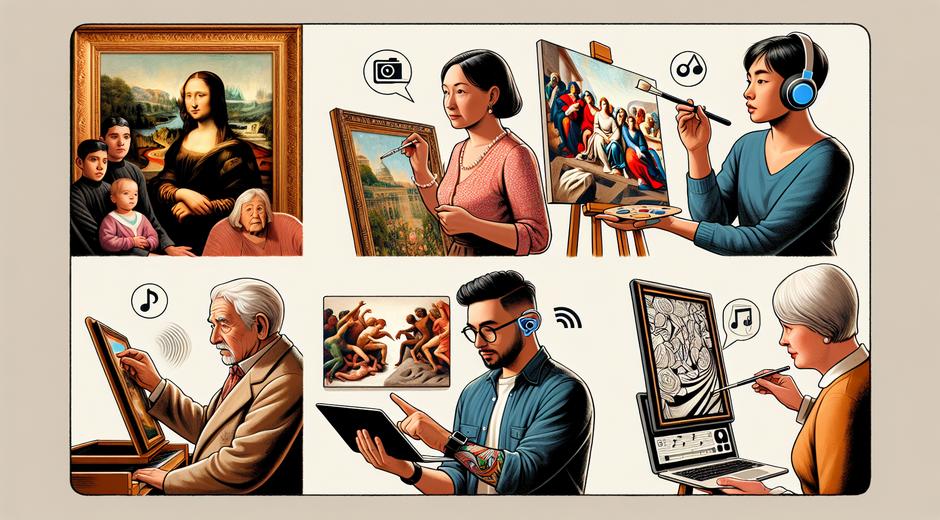
Designers and curators working with immersive formats should prioritize clarity and inclusion. Clear entry and exit paths reduce confusion and support safety. Provide sensory options for visitors who may be sensitive to intense sound or light by offering quieter times or alternate routes. Use signage and staff presence to help visitors understand how to interact with the work and how to respect shared space.
Documentation matters. Many immersive works are ephemeral. High quality photography video and written reflection preserve the project and support future grant applications and research. When possible collaborate with technologists and fabricators early to build reliable systems that can run for long hours without failure.
The future of immersive art
Immersive art continues to evolve as technology culture and audience expectation shift. Emerging tools in real time graphics artificial intelligence and spatial computing will expand possibilities for personalization and scale. We can expect immersive projects to become more networked offering hybrid physical and digital pathways that reach remote audiences while preserving the intensity of in person presence.
At the same time cultural institutions are exploring immersive art as a way to attract diverse audiences and to address social and ecological themes through embodied experience. The challenge will be to maintain artistic integrity while scaling production and marketing. Thoughtful curatorial practice community engagement and sustainable production methods will shape a responsible future for the field.
Conclusion
Immersive art is more than a trend. It is a development that reshapes how we make and receive meaning through sensory encounter. By combining design technology narrative and participation immersive projects create memorable moments that can educate provoke and comfort. Whether you are a visitor artist or curator the rise of immersive art offers fresh ways to connect with creativity and with one another. For practical guides and features on current immersive projects and artists visit TasteFlavorBook.com for a curated companion that explores sensory art and events in depth.
Approach each immersive art project with an open mind a readiness to move and a willingness to reflect. These elements together will help you get the most from each visit and to carry insights from the gallery into daily life.