

Spatial Tension in Art How Artists Use Distance and Density to Create Emotional Impact
What Spatial Tension Means in Visual Art
Spatial tension is a core concept in contemporary art practice and theory. At its simplest it describes the dynamic relationship between elements in a composition and the way space feels compressed open charged or ambiguous to the viewer. Spatial tension can exist in two dimensional works such as painting and photography as well as in three dimensional works such as sculpture installation and architecture. It is a tool artists use to guide attention to create suspense and to shape the emotional experience of an artwork.
Why Spatial Tension Matters for Artists and Curators
Understanding spatial tension helps artists make deliberate choices about scale proportion and placement. Curators rely on spatial tension to choreograph how visitors move through an exhibition and how works relate to one another in a gallery. When managed well spatial tension enhances narrative cohesion of a show and supports interpretive layering. A tight cluster of small forms near a vast empty wall can generate a different kind of tension than two massive volumes positioned to face each other across a room. Both strategies highlight relationships and invite the viewer to participate mentally and physically in the work.
Techniques for Creating Spatial Tension
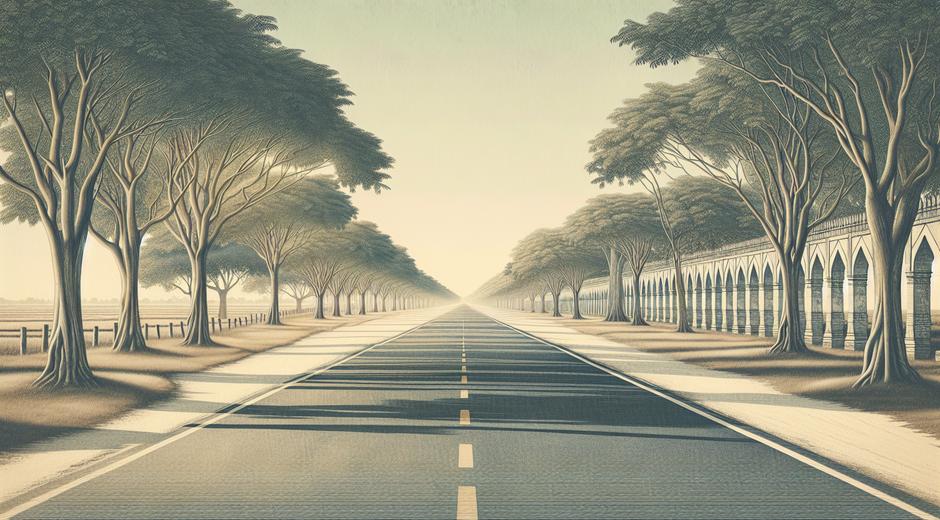
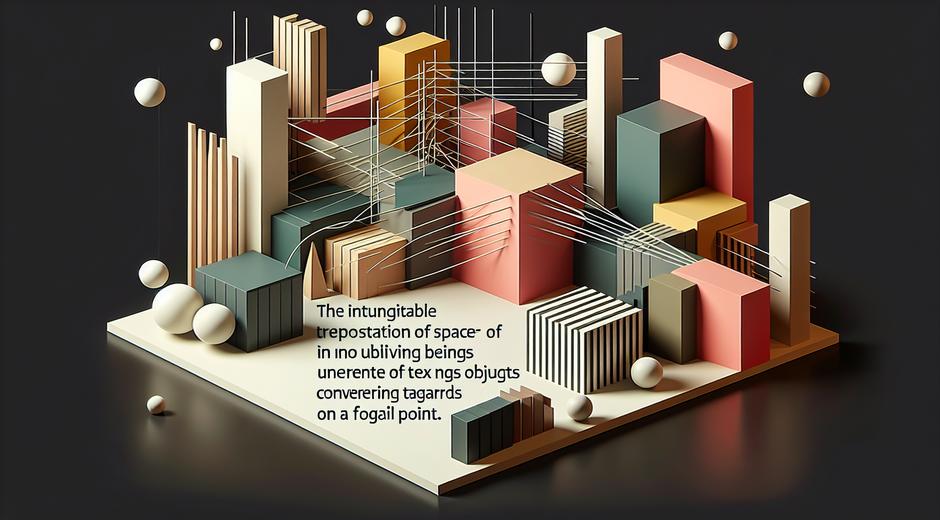
Artists and designers use several techniques to cultivate spatial tension. These include contrast of scale where a very large object sits beside a much smaller one; manipulation of negative space where absence becomes as active as presence; overlapping planes that imply depth and occlusion; and controlled lighting that creates sharp edges and ambiguous margins. Perspective lines that converge or diverge can accelerate a viewer gaze toward or away from a focal point. Color and texture also contribute by compressing or expanding perceived space. These techniques are tools that can be combined in countless ways to achieve a desired psychological or aesthetic effect.
Case Studies from Sculpture and Installation
Look at works where spatial tension is essential to the experience. Richard Serra uses weight and scale to press against architecture making viewers aware of their bodies in relation to space. Olafur Eliasson constructs immersive environments where light fog and mirrored surfaces shift distances and produce a sense of instability and wonder. In contemporary installation artists often stage thresholds and passageways that require viewers to adjust their posture pace or line of sight thereby making the act of moving through space part of the content. These kinds of works demonstrate how spatial tension can be both a material effect and a conceptual device.
Spatial Tension in Painting and Photography
In two dimensional media spatial tension is generated through composition and pictorial strategies. Painters can place a focal object off center so that surrounding emptiness becomes charged with possibility. Photographers may use shallow depth of field and layered foreground elements to isolate a subject and create a push and pull between planes. Even when the picture plane is physically flat the illusion of space can be modulated to produce tension between near and far or between ordered and chaotic areas of the image. Contemporary artists often play with scaled repetition and cropping to unsettle the viewer and to invite prolonged visual exploration.
Curatorial Use of Spatial Tension
Museum and gallery designers apply spatial tension to shape visitor experience. The placement of artworks to create sightlines and moments of pause helps to craft a narrative arc through an exhibition. Lighting choices and the use of partitions or open sightlines control how tension accumulates and relieves as visitors move from one room to another. For practical guidance on exhibition planning and design consult resources and industry partners that focus on the intersection of environment and wellbeing like BodyWellnessGroup.com where ideas about human experience and spatial planning are explored in an applied context. Good curation balances moments of compression and expansion offering rhythms that sustain interest without creating fatigue.
Measuring and Tuning Spatial Tension
While spatial tension is often intuitive it can also be assessed through observation and iteration. Artists can test variations by changing one variable at a time for example moving an object a few inches altering light intensity or changing the relationship between foreground and background. Feedback from viewers provides insight into how a work communicates. Photographs and models are useful tools for previewing tension effects before final installation. Some practitioners pair these traditional methods with digital simulation to understand sightlines and human scale in advance. These steps help to refine tension so that it supports rather than overwhelms the concept.
Practical Tips for Artists to Harness Spatial Tension
Below are actionable strategies that artists can implement when exploring spatial tension in their practice.
- Use scale contrast to create immediate tension between elements of different sizes.
- Work with negative space deliberately allowing emptiness to act as visual weight.
- Introduce partial occlusion so viewers must mentally complete forms and imagine depth.
- Vary texture and material to alter how surfaces reflect or absorb light thus changing perceived distance.
- Create ambiguous thresholds by blurring boundaries or using translucent materials to invite movement and inquiry.
- Plan the viewer path so that tension peaks at key moments and resolves in others to maintain engagement.
- Document variations photographically to compare and decide which configuration best serves the concept.
Spatial Tension and Audience Emotion
Spatial tension has a powerful effect on how audiences feel. Tight compressed areas can evoke intimacy unease or confinement while open expansive areas can produce calm exhilaration or loneliness depending on context. Artists who consider the emotional consequences of spatial relationships can better control mood tone and interpretive outcomes. When combined with sound scent or interactive elements spatial tension becomes part of a multisensory experience that can deeply influence perception and memory.
Interdisciplinary Applications and Collaboration
Beyond galleries spatial tension plays a role in public art architecture and design. Urban planners use similar concepts to shape plazas pathways and building facades. Interior designers manipulate furniture placement and sightlines to create energetic or restful spaces. Collaboration across disciplines encourages innovations in how spatial tension is defined and applied. For more essays ideas and curated content about contemporary art practice visit museatime.com where artists and curators exchange strategies for shaping experience. Such cross pollination helps artists refine methods and reach audiences in unexpected contexts.
Conclusion Embracing Spatial Tension as a Creative Resource
Spatial tension is not a technical detail only it is a central part of how art communicates. When artists attend to the spatial relationships in their work they unlock the capacity to move viewers to think to act and to feel in new ways. Whether through subtle adjustments in a canvas or through grand sculptural interventions in public space spatial tension is a versatile instrument for shaping aesthetic and emotional impact. By studying technique experimenting with space and collaborating across fields artists and curators can harness spatial tension to craft experiences that resonate long after the encounter.