

Studio Practice A Complete Guide to Building a Sustainable Creative Routine
Developing a strong studio practice is one of the most important steps an artist can take to grow creative skills and sustain a career. Whether you work in paint clay digital media or mixed techniques a consistent approach to the time you spend in your studio will increase output improve quality and deepen your artistic voice. This guide explores practical strategies for setting up routines managing resources documenting progress and engaging with community to make your studio practice both productive and rewarding.
Why a Defined Studio Practice Matters
Studio practice is more than the physical act of making art. It includes the habits the decisions and the environment that shape how work is made and completed. A defined studio practice helps you avoid creative stagnation by creating structure while still allowing room for experimentation. Over time a deliberate practice leads to stronger ideas more coherent bodies of work and clearer communication with galleries clients and curators.
Designing Your Ideal Studio Routine
Start by mapping your available time and noting when you feel most focused. Many artists find morning sessions ideal for idea generation and afternoons better for execution. If your schedule does not allow long blocks of time use shorter focused sessions to maintain momentum. Build rituals that signal the start of studio time such as making tea setting up materials or playing a specific playlist. These cues train your brain to enter creative mode faster.
Include a mix of tasks in your weekly plan. Balance making new work with maintenance tasks such as material inventory and documentation. Reserve time for research and visiting exhibitions so your studio practice remains connected to the broader art world. Track your activities in a simple log to review progress and spot patterns that help refine your routine.
Space and Light Strategies for Better Work
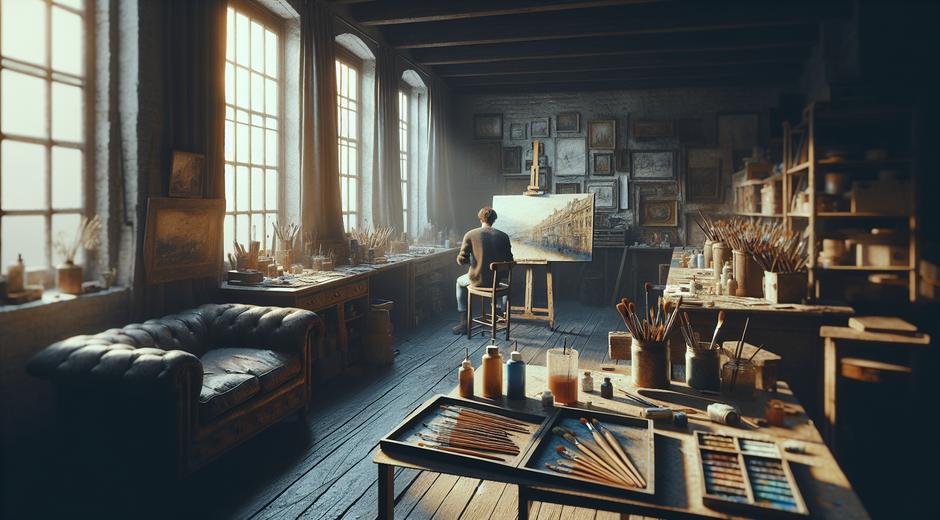
Optimizing the studio space is a practical part of any practice. Natural light is ideal when possible because it reveals color accurately and supports long hours of work. If natural light is limited invest in high quality lamps that mimic daylight temperature so color decisions stay consistent. Arrange your work area to reduce unnecessary movement. Place tools and frequently used materials within easy reach to keep creative flow intact.
Consider dedicated zones for different tasks. Even small studios benefit from a clear separation between messy processes such as priming or glazing and clean tasks like drawing or digital editing. Clear visual separation reduces the time to switch activities and preserves the condition of finished pieces.
Materials Management and Sustainability
Part of a mature studio practice is knowing your materials well. Keep a simple inventory that lists quantities suppliers and storage conditions for key items. This prevents last minute supply runs and helps with budgeting. When testing new materials keep notes about drying time compatibility and archival qualities to build a practical reference over time.
Think about sustainable alternatives where possible. Reuse stretchers and frames salvage off cuts and choose low toxicity solvents and fixatives. Reducing waste not only lowers costs but also supports a healthier working environment which in turn supports a more resilient practice.
Documenting Work and Process
Documentation plays a vital role in a professional studio practice. Good images of work are necessary for portfolios applications and selling work. Create a consistent photographic setup using a neutral background and repeatable lighting to ensure images represent the work accurately. Keep files organized with clear naming conventions and back up images off site regularly.
Process documentation such as sketches photographs of stages and written notes enrich the narrative around a piece and can be valuable for exhibitions grants and teaching. These records also help you reflect on what worked well and what can be improved in future projects.
Feedback and Critique as Part of Practice
Regular critique is a powerful tool for artistic growth. Peer groups mentors and gallery professionals all offer different perspectives that can refine your direction. Set a rhythm for feedback whether that is monthly group reviews an annual portfolio day or informal studio visits. Prepare specific questions to get actionable responses. Listening to critique with an open but discerning attitude helps maintain focus on core goals.
Balancing Experimentation and Production
A sustainable studio practice balances time spent experimenting and time spent producing finished work. Reserve part of your schedule for open ended exploration without the pressure to complete. This keeps your practice fresh and opens paths to unexpected developments in your work. At the same time allocate time for projects intended for exhibition or sale so your practice remains connected to public outcomes.
Professional Practices for Visibility and Sales
Beyond making work an effective studio practice includes thinking about presentation and promotion. Maintain a clear portfolio and update it regularly with images and concise statements about new series. Use social media selectively to show process highlights announce openings and connect with collectors while keeping private time for deep work. If you want to reach wider audiences consider using targeted press services to place stories about exhibitions and events. For example artists have used platforms such as Newspapersio.com to secure coverage that amplifies visibility.
Keep accurate records of sales invoices and contacts so you can reliably reproduce popular works and honor commissions. A simple system for pricing based on materials time and market research will make negotiations smoother and help you value your time appropriately.
Learning and Mentorship Within Your Practice
Continuous learning is a hallmark of a robust studio practice. Take workshops master classes and online courses to fill skill gaps and find new techniques to incorporate. Seek out mentorships that align with your goals whether the focus is technical mastery career development or critical discourse. Mentors offer tailored advice and help accelerate decision making.
Build relationships with peers who practice similarly so you can exchange knowledge and collaborate on exhibitions or projects. A supportive network often becomes a source of opportunities and shared resources that strengthen individual practices.
Integrating Reflection and Goal Setting
Set short term and long term goals for your studio practice and review them regularly. Reflection sessions help you celebrate achievements and recalibrate when priorities shift. Use your documentation to track how ideas evolve and which approaches yield the best outcomes. Simple measurable goals such as completing a number of works during a season or submitting to a certain number of calls keep the practice accountable and oriented toward visible results.
Where to Find More Resources
If you are searching for ongoing inspiration tools and articles about contemporary studio practice you can find curated content and community features at museatime.com This resource can help you connect theory and practice through interviews studio tours and practical guides aimed at artists at all levels.
Final Thoughts on Building a Lasting Studio Practice
Creating a sustainable studio practice requires intention discipline and adaptability. By designing routines optimizing your space managing materials documenting process engaging with critique and promoting your work you build a practice that supports creative growth and professional success. Start with small changes and iterate over time. A studio practice that evolves with your needs will become the backbone of a rewarding artistic life.