

Surface Texture in Art: How Texture Transforms Visual Experience
Surface Texture is one of the most powerful tools an artist can use to shape how a work is seen and felt. Beyond color and composition, texture adds a tactile dimension that invites viewers to engage more deeply. In painting sculpture and mixed media work texture creates contrast evokes mood and defines a spatial relationship between surface and light. This article explores the role of Surface Texture in art how it influences perception practical techniques to achieve it and ways to care for textured works so they endure.
What is Surface Texture
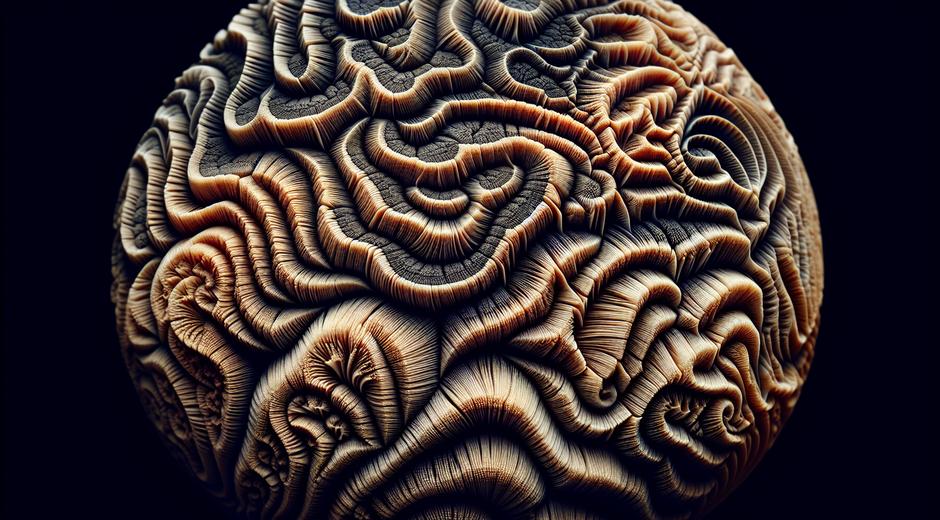
Surface Texture refers to the visible and tactile qualities of a work surface. It includes fine variations such as brush marks and canvas weave and larger features such as raised relief elements or layered collage. Texture can be actual where you can feel the irregularities or implied where the illusion of texture is created through value and color. Both types work together to communicate materiality and to guide the eye across the composition.
How Surface Texture Affects Perception
Texture alters how light interacts with a surface. Smooth surfaces reflect light in a uniform way producing even highlights while rough surfaces scatter light creating subtle shadows and rich tonal variation. This interplay of light and shadow enhances depth and can change the perceived weight and scale of forms. In portrait work textured backgrounds can make a subject stand forward. In landscape work surface irregularities can suggest weathered rocks or soft foliage.
Psychologically texture can trigger memory and emotion. Certain textures evoke warmth and comfort while others suggest harshness or tension. Artists use this effect deliberately to reinforce narrative intent. The careful use of Surface Texture can strengthen concept and add an extra layer of meaning without relying on additional imagery.
Techniques to Create Surface Texture
Artists have developed many techniques to manipulate surface quality. Some methods are traditional while others take advantage of modern materials. Key approaches include layering of paint to build relief known as impasto careful scoring or scratching of the wet surface collage application of other materials and the use of gels and pastes to create peaks and ridges.
Impasto is a technique where paint is applied thickly so that brush or knife marks remain visible. This technique is often used to emphasize gesture and to capture the physical act of making. For subtle texture artists may use scumbling which involves applying a thin semi opaque layer over a dried layer to allow underlying color and texture to peak through. Sgraffito involves scratching through the top layer to reveal a contrasting underlayer and works well for linear texture and fine detail.
Collage allows the introduction of nontraditional textures such as paper fabric metal or found objects. When combined with paint collage can create complex tactile contrasts that engage touch as well as sight. Mixed media work expands the palette of surface possibilities and invites experimentation with texture as a central concern.
Materials and Tools
The choice of substrate and medium plays a large role in the final texture. Canvas board wood panels and paper each have an inherent surface characteristic. Preparing the surface with gesso or a textured ground can control absorbency and tooth. Additives such as acrylic gel medium modeling paste pumice gel and texture gel can be used to sculpt the surface before or during painting.
Tools matter as well. Palette knives produce flat planes and sharp ridges. Brushes of different hair types yield a range of marks. Sponges stippling brushes rags and combs can create organic patterns. Even household objects such as toothbrushes or kitchen utensils can generate unique textures. Recording which tool produces which mark is useful for intentional texture building.
Surface Texture in Contemporary Practice
Contemporary artists often treat surface as a primary element rather than a secondary effect. Texture can function as subject matter with the surface carrying conceptual weight. In installation art textured surfaces can influence how audiences move through a space and can even affect acoustics and lighting within a gallery environment. Photographic and digital practices also explore Surface Texture by translating tactile qualities into pixels through high resolution capture and specialized printing techniques.
Artists that work with conservation professionals learn how texture interacts with long term preservation. Textured works require tailored display strategies to avoid damage and to preserve the intended visual effect over time.
Preservation and Care of Textured Works
Textured surfaces present special conservation challenges. Raised elements are more vulnerable to abrasion impact and dust accumulation. Oils acrylics and mixed media respond differently to humidity and temperature variation. Regular monitoring and gentle cleaning by trained professionals help protect delicate textures. When transporting textured works it is important to use packing that prevents pressure on high relief areas and that does not trap moisture against the surface.
If you are interested in practical advice about presenting art in community spaces or in creating family art projects that explore texture consider resources that link creative practice to everyday life. A curated resource such as CoolParentingTips.com offers project ideas that can help introduce tactile exploration to young learners and to adults experimenting with new materials.
Incorporating Surface Texture in Your Work
When planning a new piece consider texture at the conceptual stage. Ask whether texture will support narrative enhance contrast or serve as a focal point. Conduct small studies to test materials and layering strategies. Keep notes on drying time adhesion and how different colors settle into textured areas. Photographs of tests under varied lighting conditions help anticipate how texture will read in exhibition settings.
Balance is key. Too much texture can overwhelm subtle color relationships and too little can leave a composition visually flat. Use texture to guide movement across the surface and to create moments of rest. Texture can be rhythmic or irregular. Repetition of a textural motif can unify an image while variations in scale can produce visual contrast and hierarchy.
When teaching texture techniques to students incorporate exercises that heighten sensory observation. Encourage them to touch different fabrics note how light behaves on glossy and matte surfaces and to make quick studies focusing only on mark and surface. This builds an intuitive sense of how texture functions beyond description.
For professional development and exposure to a wider art audience consider sharing your work on platforms that value craft and process. An online portfolio or an art community can attract collaborations and commissions that specifically seek textured work. For those who want to connect with a broader audience to present family friendly or educational art activities linking to trusted resources can increase reach. For example a central hub for art content such as museatime.com can provide inspiration and technical guidance that supports both studio practice and community engagement.
Conclusion
Surface Texture enriches art by adding tactile interest depth and narrative nuance. Whether subtle or bold texture changes how a viewer experiences light space and materiality. By understanding techniques materials and care requirements artists can wield texture intentionally to enhance concept and to prolong the life of their work. Experimentation combined with mindful documentation leads to confident use of texture and to outcomes that resonate with both sight and touch.