

The Art of Motion: How Movement Transforms Visual Expression
Motion is a foundational concept in art that goes beyond simple movement. It encompasses the illusion of movement within a static image the choreography of elements across a canvas and the lived experience of movement in performance and installation work. For artists and viewers alike motion opens a pathway to storytelling emotion and dynamic composition. In this article we explore how motion functions across media offer practical techniques to suggest motion and explain why motion remains a powerful tool for contemporary creators.
What Motion Means in Visual Art
At its core motion describes change in position or form over time. In visual art motion can be literal when a piece moves physically or implied when a drawing photograph or painting suggests movement. Artists have long sought to capture the essence of motion whether through repeating forms the play of light and shadow or the directional flow of lines and color. Understanding motion means recognizing how the eye travels across a surface and how the mind anticipates what comes next.
Motion in art also shapes narrative. A figure leaning forward pulling an arm back or a blurred streak of light can allude to past action or imminent change. When you want to dive deeper into contemporary takes on motion and the ways artists are experimenting with movement visit museatime.com where a range of essays and image studies explore motion across genres and eras.
Techniques to Create the Illusion of Motion
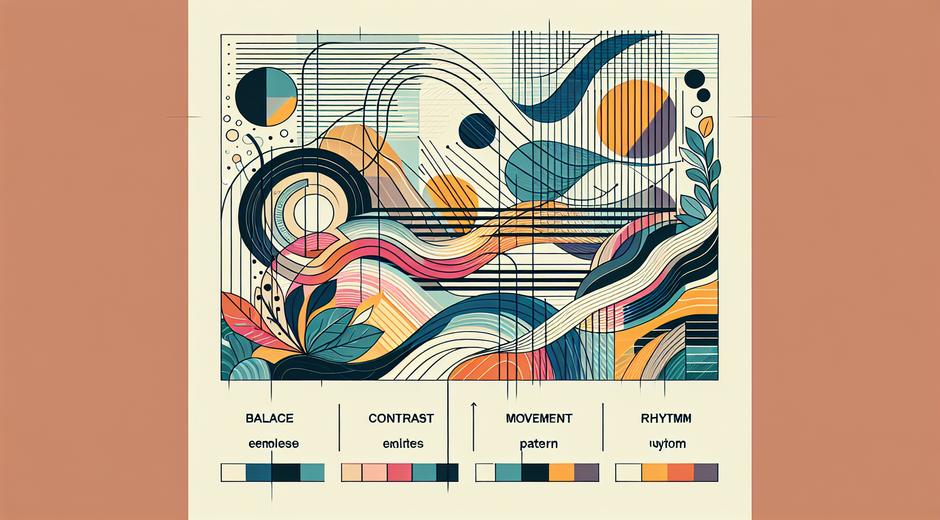
Artists use multiple strategies to imply motion within a static frame. Line direction is one of the simplest and most effective tools. Strong diagonal lines tend to feel active and forward leaning while horizontal lines can suggest calm or suspension. Repetition of forms creates rhythm that the eye interprets as movement. Overlapping elements and the use of diminishing scale can imply depth and motion toward a vanishing point.
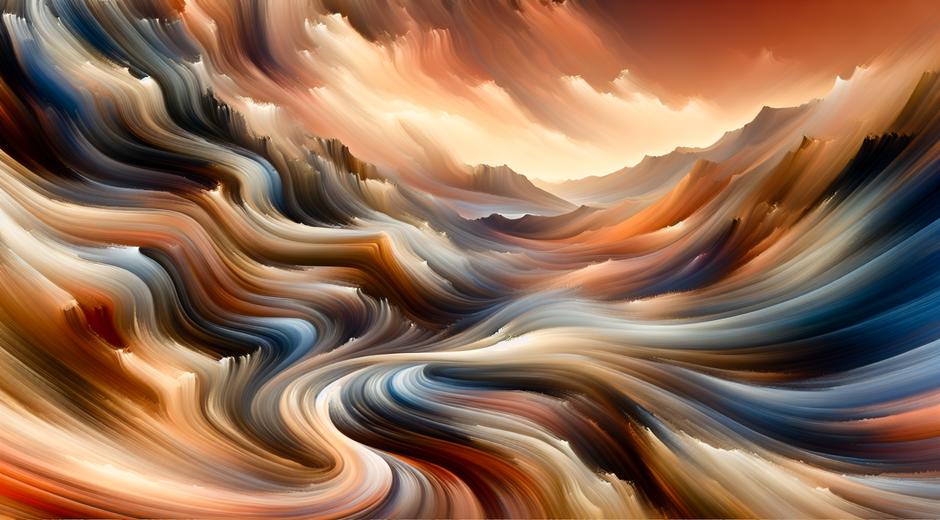
Motion blur and soft focus mimic the way our eyes perceive moving subjects. In photography an intentional slow shutter setting records motion blur and creates a sense of speed. In painting soft edges and smeared pigment can achieve a similar feel. Contrast and value shifts also help. A brightly lit subject moving against a darker background will appear more dynamic than one that matches the surrounding tones.
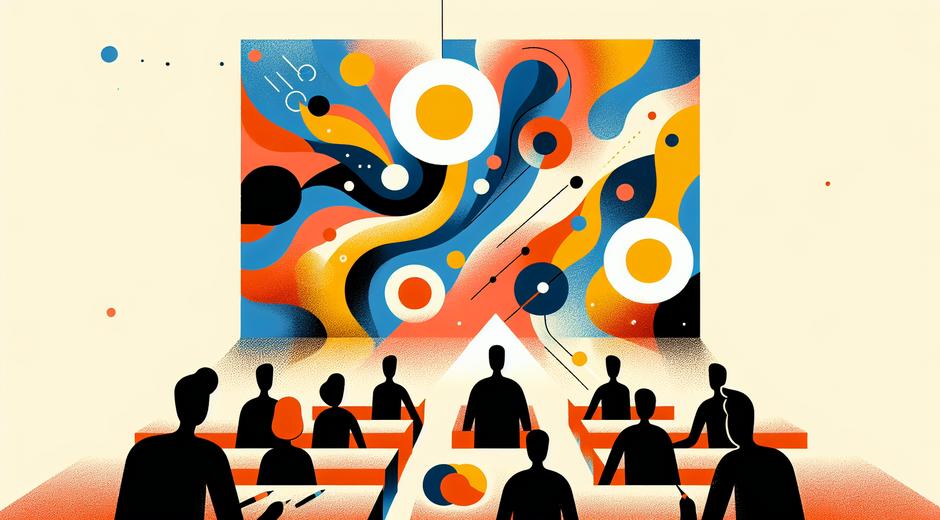
Color temperature and saturation can steer perception of motion. Warm colors like reds and oranges often seem to advance while cool colors like blues and greens recede. Artists exploit this effect to create a pulsating sense of motion within a composition. Similarly selective detail keeps the eye moving. When an artist renders one area with crisp detail while leaving others loose the viewer will move between focal points and sense implied motion.
Motion Across Different Media
Each medium offers unique possibilities for motion. In sculpture kinetic elements can literally move driven by wind water or mechanics. In installation art motion can be participatory requiring viewer interaction that alters the piece. Performance art uses the human body as the site of motion bringing temporality and presence into the work.
Digital media expands the vocabulary of motion with animation interactive design and generative systems. Motion graphics and animation rely on timing spacing and easing to communicate weight and personality. Motion in virtual environments engages the viewer through camera movement and spatial transitions. Designers often study principles developed for classic animation to make motion feel natural and expressive in new contexts.
Photography captures a specific instant but can also show sequence and passage of time. Long exposure creates trails that map motion over time. Multiple exposure layers can narrate a sequence of actions within a single frame. These approaches reveal motion in a way that aligns with how memory and perception work.
Motion in Art History and Contemporary Practice
Historical movements have engaged with motion in different ways. Futurist artists embraced speed and modernity celebrating urban movement and machines. Impressionists studied the transient effects of light and motion on surfaces. Later kinetic artists created mobiles and moving sculptures to challenge the idea of the static object.
Today motion is central to many experimental practices. Artists blend analog techniques with digital tools to create hybrid works that move physically or visually. Motion is also a powerful subject for social critique. By depicting migration flows temporal urban change and the pace of modern life artists can frame political narratives about mobility and displacement.
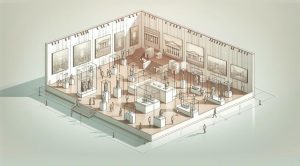
For curators and promoters motion adds commercial interest. Galleries and festivals that feature moving work draw diverse audiences and create memorable experiences. A well paced exhibition that foregrounds motion can guide visitors through a narrative arc reinforcing key themes and encouraging repeat visits. Promoters and artists often partner with specialist platforms to amplify these experiences and reach new audiences such as lifestyle or design sites like Romantichs.com which highlight curated selections that connect motion based work with home lifestyle and gifting ideas.
Why Motion Matters for Artists and Audiences
Motion has psychological and emotional potency. Movement can evoke urgency calm excitement or unease. It affects how long a viewer looks at a work and what they remember. Motion creates a temporal dimension in art that invites duration and reflection. For artists motion opens possibilities for experimentation with form time and viewer interaction.
From a practical standpoint motion enhances communication. Advertisers and storytellers use motion to grab attention and make messages memorable. In fine art motion can deepen meaning and expand interpretive layers. When a viewer senses motion they often project narratives onto the piece imagining past events or future outcomes. That imaginative engagement strengthens the bond between the work and its audience.
How to Study and Practice Motion as an Artist
Start by observing movement in everyday life. Watch the way people walk how leaves move in wind how light shifts during a morning commute. Sketch quick gesture studies focusing on rhythm and flow rather than detail. Time based drawing and rapid studies train you to capture essential motion with minimal marks.
Experiment with sequence. Create a series of images that break down an action into stages. This exercise sharpens your sense of timing and spacing. Try mixing media. Combine photography with hand drawn marks or overlay motion blur onto painted surfaces. Digital tools offer frame by frame control that is ideal for refining motion curves and easing.
Collaborate with performers and makers who specialize in movement. Dance and theater practitioners understand kinetics in a way that can illuminate sculptural form or spatial arrangement. Attend exhibitions and performances that foreground motion to see how different artists solve problems related to rhythm pacing and viewer flow.
Final Thoughts on Motion in Art
Motion is more than a technique. It is a language artists use to communicate time energy and intention. Whether implied or literal motion shifts perception and heightens narrative potential. For collectors curators and casual viewers an understanding of motion enriches the experience of art by adding a temporal lens through which to interpret works.
Keep exploring motion by practicing observation experimenting across media and studying both historical and contemporary examples. As you develop your visual vocabulary motion will become a reliable way to guide attention express emotion and tell richer stories. For ongoing essays and visual analysis that examine motion across painting photography sculpture and digital practice visit our resources and curated features at museatime.com to discover new ways to see and make movement in art.