

Visual Abstraction A Guide for Artists Curators and Collectors
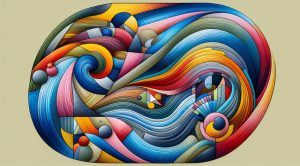
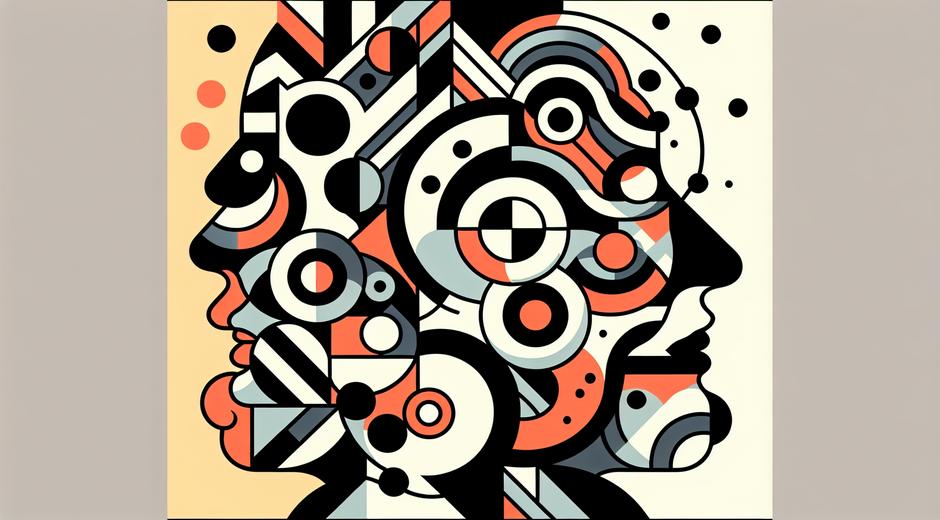
Visual Abstraction is a cornerstone of modern and contemporary art practice. It moves attention away from literal depiction and toward form color texture and composition. For a reader seeking to understand how to create evaluate or collect abstract work this article explains core ideas practical methods and the cultural role of abstract visual language. The term Visual Abstraction itself can serve as a guiding keyword when building a collection or preparing a gallery text and it helps artists focus on essential visual concerns.
What Visual Abstraction Means in Practice
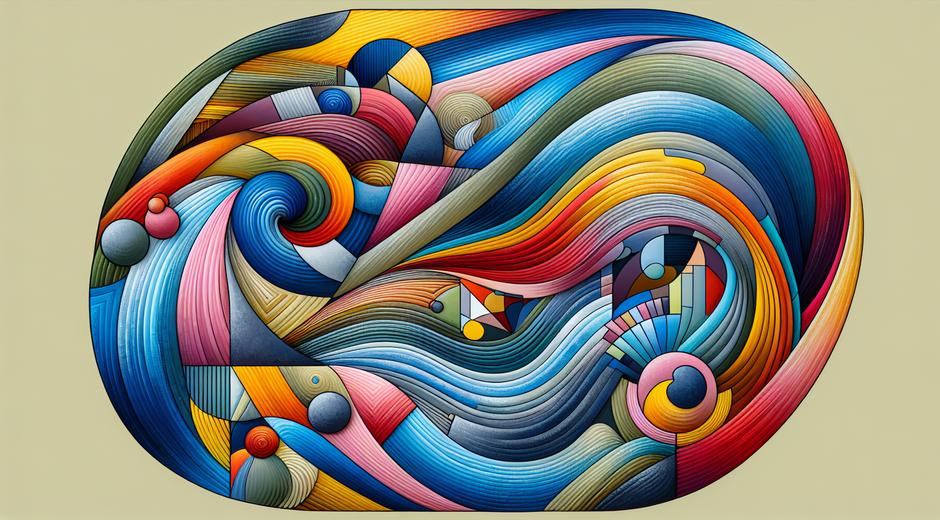
At its core Visual Abstraction is about removing or altering recognizable details so the viewer attends to relationships between shapes colors and marks. An abstract image can be geometric or lyrical it can be cool and analytical or warm and expressive. Artists choose abstraction to explore rhythm balance contrast and visual tension or to communicate ideas that do not fit a single photographic or narrative frame.
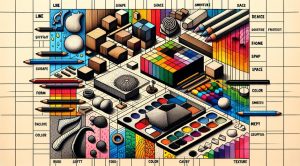
Some key aspects to consider are surface treatment the interaction of positive and negative space repetition and the use of color as a structural device. Visual Abstraction is not absence of meaning. Rather it is a different way of encoding meaning that relies on the viewer to complete the image through perception and memory.
A Short History of Visual Abstraction
Visual Abstraction emerged with early twentieth century experiments in painting and sculpture where artists wanted to transcend direct representation. Pioneers explored simplified form fragmentation and the essence of perception. Over time abstraction branched into many strains including pure geometry expressive gesture and conceptual abstraction. Each strand responded to the social cultural and technological conditions of its moment.
Understanding the history helps practitioners place new work in context. It also helps curators write texts that explain why a given abstract work matters now. For research and reference many galleries and online resources offer essays and image archives that track developments in abstraction across decades.
Principles to Guide Abstract Image Making
When creating abstract work a handful of principles repeatedly prove useful. First consider composition. How do the internal parts of the image balance? Second consider scale. Changing scale alters the relationship between viewer and work. Third consider contrast. Contrast can be tonal chromatic or material. Fourth consider repetition and variation. Subtle shifts in repeated elements create rhythm and expectation.
Practice makes these principles live. Try exercises where you limit your palette or restrict the toolkit of marks. This constraint can open unexpected directions. If you are building a professional portfolio consider documenting the creative process and writing short notes that connect each work to a specific intent or question.
Techniques and Materials for Visual Abstraction
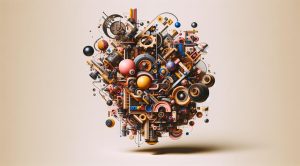
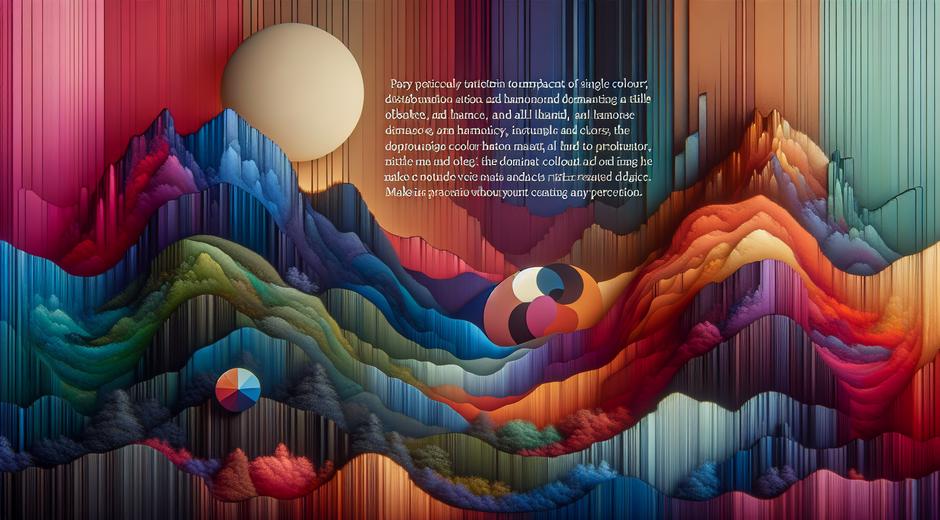
Visual Abstraction is not limited to painting. Sculpture drawing collage photography performance and digital media all support abstract approaches. In painting artists mix traditional ground with unexpected additives to alter sheen and texture. In digital practice artists use layering masking and algorithmic processes to generate abstract patterns and forms. Collage allows juxtaposition of found material that introduces visual tension and narrative suggestion.
Experiment with surface and tool. Ragged edges dripping paint printed textures or stitched threads all contribute to how the eye moves across an abstract field. Material choices also inform conservation and display choices so think ahead about how a work will be preserved and shown.
How to Read and Talk About Abstract Work
Reading abstract work requires openness and patience. Look first for the most immediate elements such as dominant color or the largest shape. Notice how your eye moves. Ask whether the composition feels stable or active. Try to describe the work using sensory language. Does the surface feel rough or slick? Does the color feel warm or cool? These observations help build a language that is accessible to other viewers.
When writing about abstract art avoid clichés and empty statements. Instead connect what you see to material method or to a curated theme. If you need a resource for artists and writers consider exploring curated pages on dedicated art sites like museatime.com where readers can find essays and interviews that expand how to present abstract work to a public.
Curating and Displaying Abstract Collections
Abstract works may demand specific gallery conditions. Lighting must enhance texture without creating glare. Wall color can alter perceived hue and contrast. Grouping decisions are crucial. Works that share scale hue or gesture can form a coherent wall while contrasting pieces can create dynamic tension. Curators often use minimal labels to encourage visual engagement while providing optional texts for deeper learning.
Many institutions now use digital displays and augmented reality to contextualize abstract pieces. These tools can show process images or highlight details without affecting the original object. For collectors and institutions considering installation strategies consult conservation guidelines and display standards especially when works include delicate materials or digital components.
Visual Abstraction in Digital and Generative Practice
Digital tools continue to expand what is possible in Visual Abstraction. Generative algorithms can create complex visual systems that evolve over time or respond to viewer input. Software allows precise control of color blending and repetition while also enabling randomization that brings surprise into composition. These practices ask new questions about authorship and reproducibility.
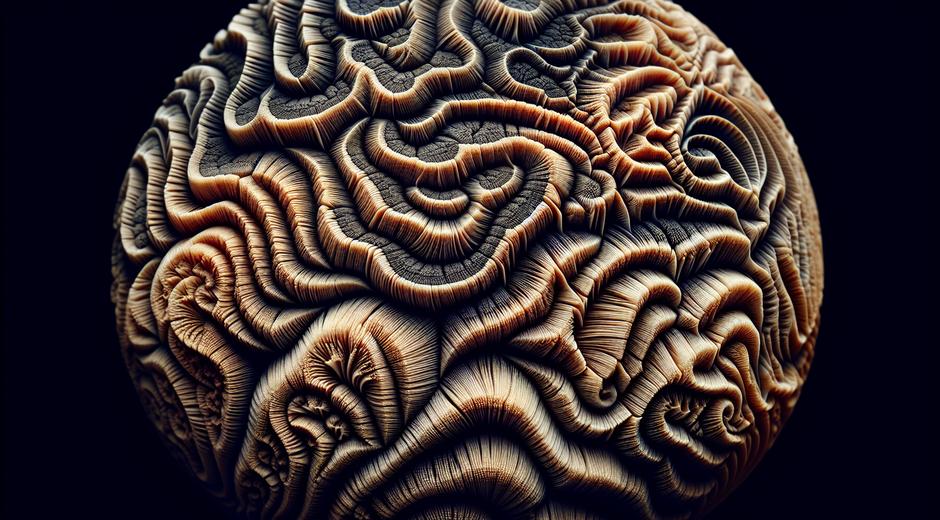
If you are an artist interested in integrating biology inspired forms into abstract visual systems consider interdisciplinary resources that explore natural pattern formation and material innovation. A resource worth exploring for materials and ecological perspective is BioNatureVista.com which highlights research into natural structures and artistic applications.
Practical Steps to Start an Abstract Series
Begin with a clear constraint. Limit your palette choose a single tool or commit to a fixed scale. Make many small works fast to discover gestures and forms. Curate from those experiments selecting pieces that share a visual logic. Document each stage. Take notes about decisions that led to unexpected results. Over time you will build a coherent series that reveals both method and intention.
Consider the audience. Some collectors respond to narrative while others want pure optical experience. Your statements and catalog texts can bridge the intention and the viewer experience. High quality photography and display ready mounting help convey the work accurately online where many first encounters now happen.
Why Visual Abstraction Still Matters
Visual Abstraction continues to matter because it expands the ways we see and think about our world. Abstract art can distill complex emotion and social observation into visual gesture. It trains attention in new ways and invites a wide range of interpretations. For contemporary practice abstraction is also a flexible language that accommodates new materials new technologies and diverse cultural perspectives.
Whether you are an artist a collector a curator or a curious viewer learning to recognize the elements of Visual Abstraction enhances your appreciation of contemporary culture. Use the ideas in this guide to support studio experiments shape exhibitions or find works that resonate with your personal aesthetic.
Next Steps and Further Reading
To deepen your understanding attend local exhibitions read focused essays and experiment in the studio. Join communities that discuss process and technique. Keep a visual diary. Over time you will build a practice that is both rigorous and responsive. For more curated essays and artist interviews on related topics visit resources that profile trends and provide practical guidance for artists and institutions.
Visual Abstraction is a living field. It rewards close looking sustained practice and openness to new methods. Use the steps outlined in this article to begin or to refine an existing practice. The work you make or collect will speak to viewers in ways that only abstract visual language can achieve.