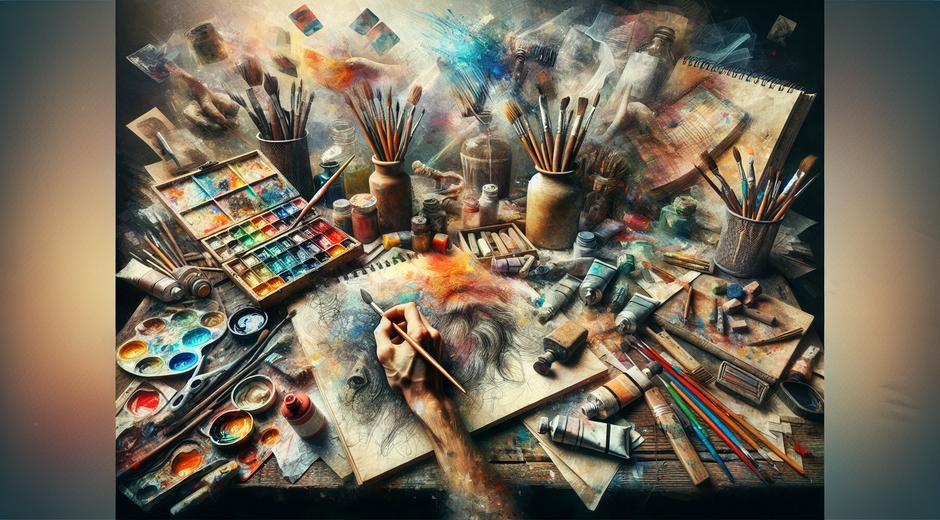


Art Practice Guide for Consistent Growth and Creative Clarity
Building a disciplined Art Practice is the cornerstone of creative growth for artists at every stage. Whether you are starting a new daily habit or refining an existing routine the process of shaping your practice will directly influence the depth of your work the efficiency of your learning and the satisfaction you take from creative time. This article explores practical strategies to develop an Art Practice that is sustainable inspiring and aligned with both creative goals and daily life.
What Art Practice Really Means
Art Practice is more than occasional making. It is a deliberate set of habits and methods that define how you approach material idea and craft. A strong Art Practice includes time management systems sources of inspiration techniques for skill building and a feedback loop for reflection and revision. The practice is both a creative laboratory and a training ground where you test new approaches and refine your voice.
Set Clear Goals for Your Art Practice
Clarity about goals turns vague energy into structured progress. Start by asking what you want from your Art Practice. Do you want to improve drawing skills expand color knowledge build a body of work for exhibition or simply establish a habit that keeps you connected to creative impulse? Define short term goals for the next month and longer term goals for the next year. Clear goals help you choose the right exercises materials and time allocation.
Create a Daily or Weekly Routine
Consistency is the engine of skill growth. You do not need large blocks of time to make meaningful progress. Short focused sessions often yield better results than rare long sessions because the brain benefits from repeated exposure and consolidation. Design a routine that fits your life. Some artists prefer morning sessions to harness fresh energy others choose evening time for quiet focus. Commit to realistic durations and keep sessions intentionally limited so you can maintain momentum.
Design Exercises that Target Skill and Concept
An effective Art Practice mixes skill building with conceptual play. Integrate focused exercises that sharpen fundamental abilities such as gesture drawing color mixing perspective and composition. Pair these drills with open ended experiments that push ideas and stretch imagination. When you alternate between constraint based work and free exploration you build both control and expressive range.
Keep a Visual Journal
A visual journal is a low stakes environment to test ideas record insights and trace the evolution of your thinking. Use the journal to document quick sketches color swatches material notes and short reflections on each session. Over time the journal becomes a map of your creative terrain revealing patterns and opportunities you might otherwise miss.
Curate Inputs That Feed Your Practice
What you consume as an artist shapes what you produce. Create a steady stream of meaningful inputs. Visit galleries or museum shows explore online collections read about artists you admire and follow sources that spark cross disciplinary ideas. For a balanced practice include both direct technical resources and inspiring perspectives from other fields. For curated material and articles that expand your art thinking you can explore museatime.com which offers a variety of essays and interviews for active makers.
Set Up a Work Space That Supports Practice
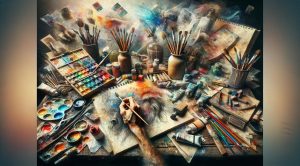
Your physical environment should minimize obstacles and invite creative action. Organize tools and materials so they are easy to access and return. Consider dedicated zones for messy experiments and for finished works. Good lighting comfortable seating and reliable storage increase the likelihood you will enter studio time regularly. A tidy environment reduces friction and helps maintain a ritual of making.
Use Constraints to Spark Creativity
Constraints can accelerate idea generation by forcing creative decisions. Limit yourself to a single palette a small set of materials or a fixed time interval to develop a series. Constraints create conditions that help you focus and reveal subtle possibilities you might miss with unlimited options. By adding constraints intentionally you can produce a coherent body of work and strengthen conceptual clarity.
Seek Feedback and Community
Feedback is essential to refine both skill and intention. Share work in progress with peers mentors and online groups. Constructive critique reveals blind spots and suggests new directions. Community also offers accountability which increases the chance you will sustain your Art Practice. Participate in group challenges critiques or collaborative projects to keep your practice connected to others.
Document Progress and Reflect Regularly
Regular reflection helps you adjust course and celebrate growth. At the end of each week review what you made what surprised you and what felt difficult. Track metrics that matter to you such as hours invested new techniques learned or pieces completed. Reflection turns routine activity into a learning process and reveals incremental improvements that build over time.
Balance Repetition and Risk
A healthy Art Practice involves repeating useful exercises until they become internalized while also taking risks that push your limits. Repetition builds mastery while risk fuels growth and keeps work interesting. Combine both by alternating sessions of steady skill work with sessions dedicated to experimentation and failure. Over time you will notice increased confidence and a wider range of expressive choices.
Integrate Cross Training and Diverse Influences
Artists benefit from a wide range of input. Look beyond traditional art sources. Fields such as design music sport and literature offer structural rhythm and narrative strategies that can enrich visual work. Observing motion or team dynamics in a sport for example can inspire compositional energy and timing. For interdisciplinary ideas and perspectives that stimulate creative thinking visit a site that explores movement and spirit in sport and life SportSoulPulse.com which can offer surprising entry points for visual experimentation.
Make Rest and Recovery Part of Practice
Creative energy is finite. Integrate rest into your schedule to prevent burnout and allow ideas to incubate. Short breaks between sessions and periodic longer rests amplify productivity and help sustain enthusiasm. Rest is an active component of practice because insight often emerges during quiet time away from the work surface.
Adjust the Practice as You Change
Your Art Practice should evolve as your goals technique and life situation change. Periodically revisit your goals and adapt the structure of practice to new priorities. A flexible practice is resilient. It helps you maintain connection to creative work through transitions and ensures that your daily habits continue to serve your artistic trajectory.
Final Thoughts on Building a Sustainable Art Practice
Developing an Art Practice is a long term investment in your creative self. By setting clear goals designing focused routines seeking feedback and staying open to diverse influences you cultivate an environment where meaningful work can emerge. The most reliable path to growth is small consistent actions paired with intentional reflection. Start simple commit to making time and let the practice shape your work and your voice over months and years. Your art will reflect the attention you give it and the habits you build today will determine the possibilities you can explore tomorrow.