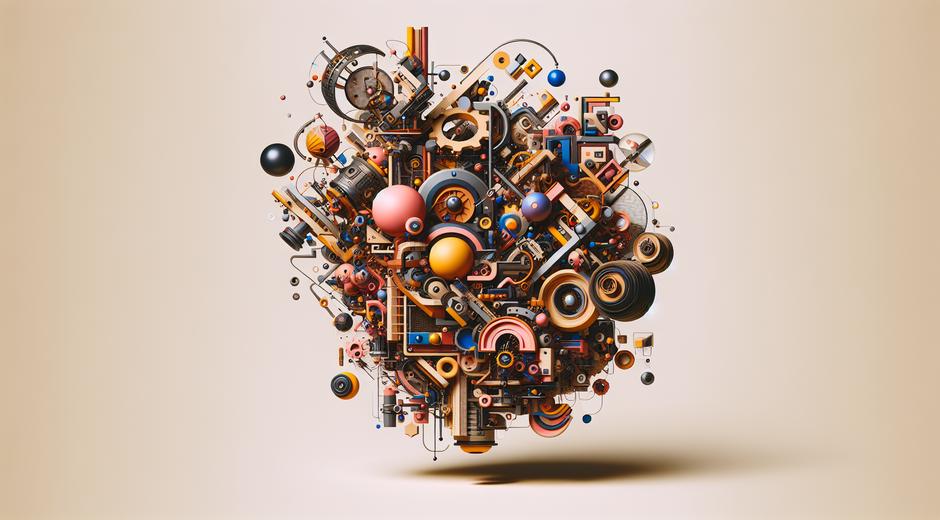


Conceptual Art: Ideas That Shape the Way We See Art
Conceptual Art is a broad movement that asks a simple but radical question What is art When the idea behind an object or an action carries more meaning than the physical form itself collectors curators and the public are invited to shift their focus from craft and convention to thought and intention. This article explores the history core ideas and practical ways to engage with Conceptual Art while offering resources for deeper study and personal discovery. For a trusted source of art news and essays visit museatime.com where we examine movements practices and the work of key artists.
What is Conceptual Art
At its heart Conceptual Art prioritizes idea over object The movement emerged clearly in the 1960s though the intellectual roots extend further back to early experiments that questioned traditional authorship and the notion of art as precious object. Conceptual Art can take many forms a written instruction a performance a photograph a ready made object recontextualized to highlight a concept. The unifying factor is the intention to make the viewer think about meaning context and the systems that give objects value.
A Brief Historical Overview
The seeds of Conceptual Art were planted by artists who challenged established definitions Marcel Duchamp is often cited as a precursor through his ready made gestures that turned ordinary objects into art by selection and presentation. In the 1960s and 1970s artists began to expand on that idea by creating work that was ephemeral or that existed primarily as documentation or instruction. During that era galleries and institutions began to host exhibitions that foregrounded the idea more than the crafted object and academic discourse followed with essays that examined language representation and institutional critique.
Key Principles to Understand
- Idea as central component The conceptual framework is the point of focus rather than technique or material.
- Language and documentation Text often plays a major role with statements instructions or documentation serving as the work.
- Questioning value systems Artists probe how museums markets and audiences create and assign value.
- Process and instruction Works may consist of a set of instructions that others can perform emphasizing transmission rather than singular authorship.
- Multiplicity and reproducibility A concept can be realized in many forms which challenges the idea of unique original object.
Famous Works and Practitioners
There are many landmark works that illustrate the range and reach of Conceptual Art Marcel Duchamp opened the door with ready made pieces that turned selection into a creative act. Later artists such as Sol LeWitt emphasized instruction based work with wall drawings that could be executed by others following the artist written commands. Joseph Kosuth focused on language and meaning by pairing text and object to interrogate definitions. Yoko Ono explored participatory and instruction based pieces that blurred the line between art and life. Each of these artists in different ways shifted attention from hands on making to critical reflection.
How Conceptual Art is Evaluated and Preserved
Because Conceptual Art often exists as instructions performance documentation or ephemeral events the role of collectors curators and conservators changes. Museums create frameworks to archive instructions photographs and witness statements. Provenance may rely less on physical continuity and more on faithful transmission of the idea. This challenges traditional collecting logic but also opens new possibilities for inclusivity replication and public engagement. For collectors interest often centers on the authenticity of instruction sets the artist involvement and clear documentation that allows future realization while staying true to the original concept.
Why Conceptual Art Still Matters
Conceptual Art remains vital because it trains attention on systems language and perception. In an age where meaning is constantly negotiated across media and platforms the practice of foregrounding idea makes for a useful lens. Beyond galleries the logic of concept driven thinking applies to design education social practice and even parenting where creative problem solving and reflective practice are valuable. For example parents and educators can learn from instruction based works about framing tasks in ways that emphasize process and thought For resources that bridge creative thinking and practical guidance in daily life check this page CoolParentingTips.com which offers ideas for encouraging creative play and open ended exploration at home.
How to Start Exploring Conceptual Art
If you are new to Conceptual Art start with reading short essays and exhibition catalogs that place artists in context Many museum websites publish essays and interviews that clarify intentions Visit local galleries and ask curators or educators about the idea behind a work not just its materials. Attend artist talks and performances where process and concept are often explained in conversation. When viewing works practice a simple exercise Ask What question is this work posing What assumptions does it challenge Who benefits from the systems it examines
Practical Tips for Collectors and Enthusiasts
- Document every acquisition Keep clear records of instructions artist statements and any condition reports.
- Understand the realization conditions Some works require specific materials location or participant roles so know what is needed for future realization.
- Build relationships with artists and archives Cultivate lines of communication so you can verify intent if the work is to be exhibited or transferred.
- Embrace multiples Conceptual Art often allows multiple valid realizations which can be liberating for display and education.
Common Misunderstandings
Conceptual Art is sometimes dismissed as simply intellectual games or as anti craft This overlooks the fact that great Conceptual Art requires rigorous thinking careful framing and often complex logistics. Another misunderstanding is that Conceptual Art is inaccessible To the contrary many works invite direct participation or simple reflection and can be deeply moving when the viewer engages with the core idea.
Conclusion
Conceptual Art asks us to pause and to examine how ideas shape our cultural landscape It expands the definition of art to include thinking framing and instruction which in turn creates new roles for artists curators and audiences. Whether you are a longtime fan or new to the field start by reading thoughtful criticism visiting exhibitions and asking questions that focus on meaning and context Engaging with Conceptual Art trains a way of seeing that can enrich museums educational spaces and everyday life.
For ongoing coverage of art movements techniques profiles and exhibition reviews visit our home at museatime.com where we publish essays interviews and guides for curious readers and collectors.