

Modern Art Concepts The Essential Guide for Creators Collectors and Fans
Understanding modern art concepts is essential for anyone who wants to engage deeply with contemporary visual culture. This guide explains key ideas historical context and practical approaches that help artists curators collectors and casual viewers make sense of works that challenge tradition and invite fresh perspectives. For more essays and resources visit museatime.com where we share articles interviews and guides focused on creative practice and art appreciation.
What We Mean by Modern Art Concepts
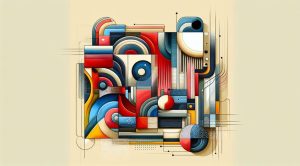
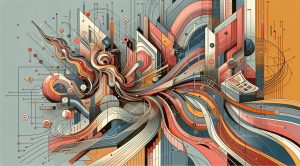
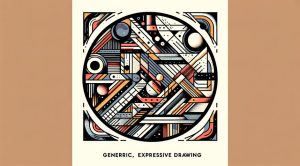
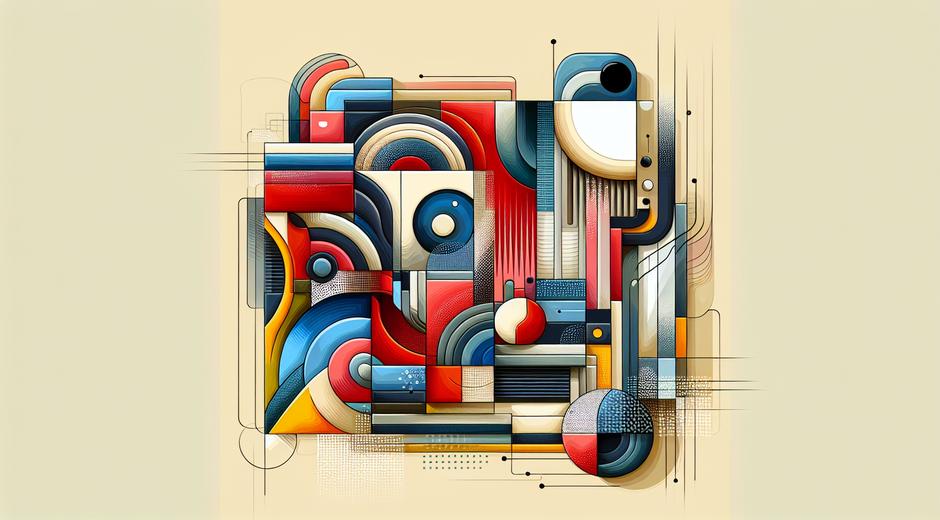
The phrase modern art concepts refers to the themes methods and intentions that shaped artistic practice from the late nineteenth century into the twentieth century and that continue to inform contemporary practice. At its core modern art emphasizes experimentation innovation and the exploration of form and idea. Key concepts include abstraction where artists move away from direct representation conceptual art where idea becomes primary and the rejection of strict rules in favor of personal expression. Learning these concepts gives viewers tools to interpret works that do not rely on a literal description of reality.
Historical Roots and Evolution
Modern art concepts grew out of shifts in society technology and philosophy. Industrial change global travel and new scientific theories all affected how artists saw the world. Movements such as Impressionism Cubism Futurism and Surrealism each introduced new ways to represent time motion and inner life. In the mid century conceptual artists challenged the idea that an art object must be a unique physical thing. Later minimalism stripped work to its essentials asking viewers to focus on form space and perception. Understanding this evolution helps contextualize why contemporary artists often mix techniques and references rather than follow a single style.
Core Themes in Modern Art Concepts
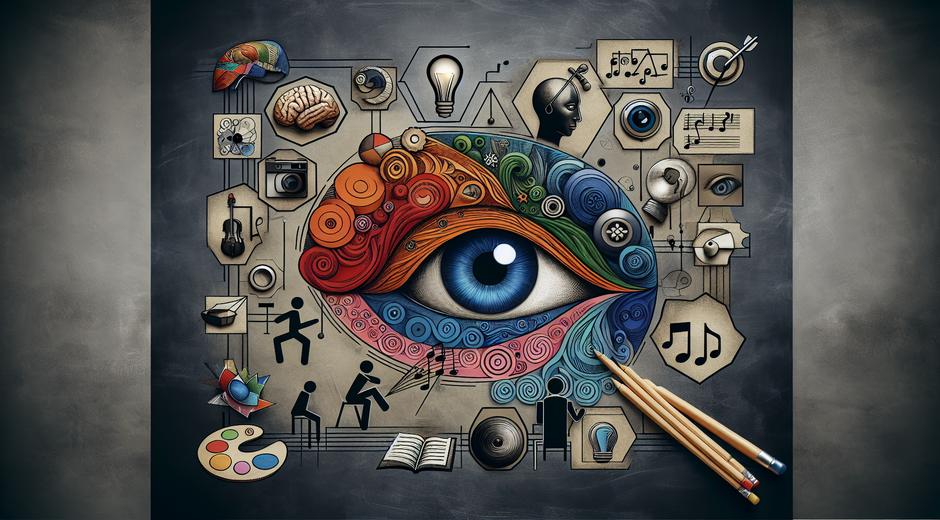
There are several recurring themes that you will encounter across many modern art works. Abstraction invites the viewer to respond to color shape texture and composition rather than to a clear narrative. Conceptual emphasis asks us to consider the idea behind the work and often to engage with instructions or documentation. The exploration of identity politics memory social systems and the role of media appears in many contemporary pieces. Also materiality is important as artists choose media that carry cultural or symbolic weight. By identifying these themes you can approach unfamiliar works with a sense of what to look for.
Materials Methods and Media
Modern art concepts expanded the range of acceptable materials and methods. Artists adopted found objects photographic processes performance video installation and digital tools. This expansion invited questions about authorship authenticity and value. For collectors and curators understanding material considerations is practical and conceptual. For instance installation work may rely on specific spatial conditions while works made from fragile or organic matter require special care. Sustainable art practice is gaining attention and some artists partner with organizations that provide eco friendly materials and production practices such as the company highlighted at Ecoglobalo.com which focuses on environmentally responsible solutions. Such collaborations reflect how modern art concepts can align with broader social goals.
How to Read a Modern Artwork
Reading modern art is less about finding a single correct interpretation and more about noticing what the work emphasizes and asking questions. Start by observing formal elements such as line color composition scale and texture. Then note materials and context for example whether the work was created for a public site a gallery or an institutional exhibition. Consider the title and any artist statement which often provide clues to intention. Ask yourself what feelings memories or associations the work evokes and whether the piece is inviting critique of society culture or history. Over time practice will sharpen your ability to see where the work positions itself conceptually.
Curatorial Perspectives and Exhibition Strategies
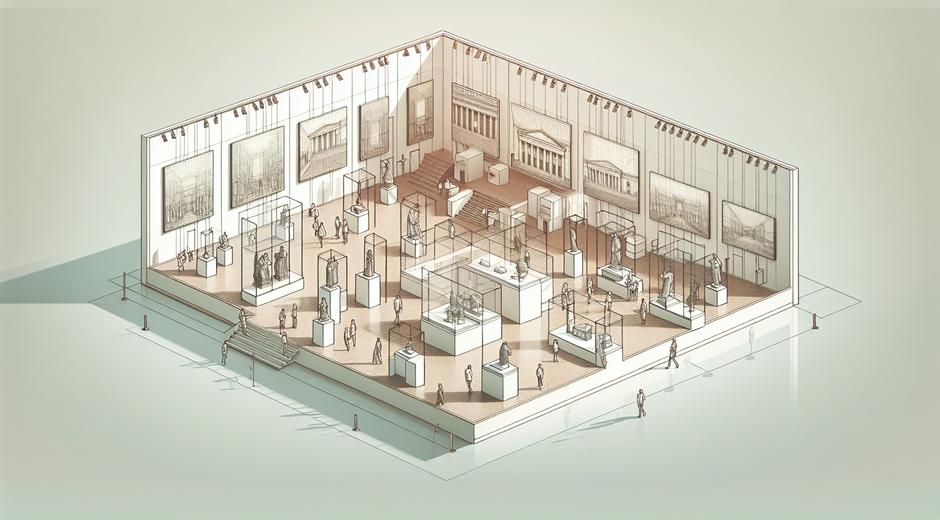
Curators working with modern art concepts craft narratives that guide viewer experience. Exhibitions might highlight a single theme compare different approaches to a shared topic or show a chronological development. Installation choices such as lighting placement and spatial flow affect how viewers move through the work and what relationships they notice. Contemporary curatorial practice also attends to accessibility and inclusion by providing multiple entry points such as audio descriptions guided tours and clear labels. For artists and curators thinking strategically about display can make conceptual frameworks more legible and memorable.
Collecting Modern Art Concepts Works
Collecting works that reflect modern art concepts requires attention to provenance condition and documentation. Because many modern and contemporary pieces use unconventional materials or include performance elements collectors should seek clear records of edition size installation instructions and any artist authorizations. Building a cohesive collection can mean focusing on a theme such as abstraction new media or political art. New collectors do well to research artists galleries and exhibition history and to visit studios and open calls when possible. This hands on approach fosters relationships that enrich both appreciation and acquisition.
Teaching and Learning Approaches
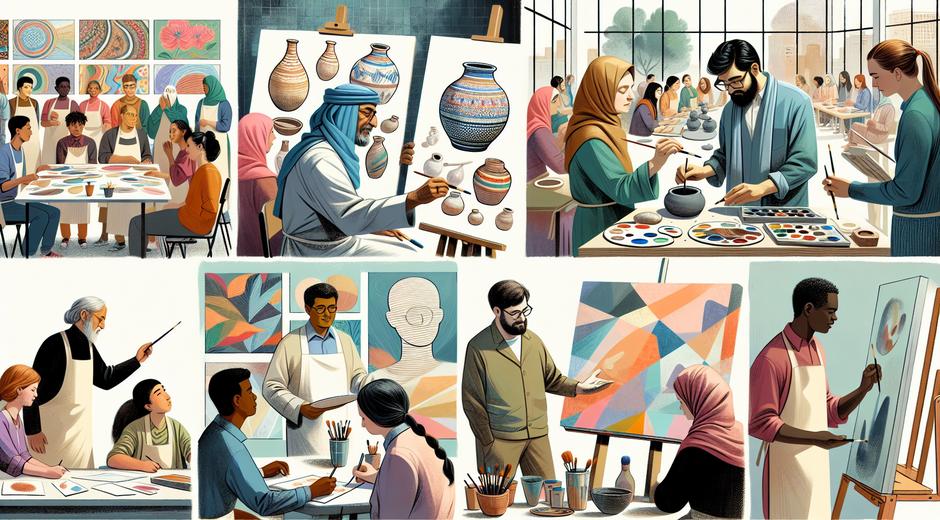
Modern art concepts are ideal for educational programs because they invite critical thinking and interdisciplinary connections. Instructors can design projects that explore idea driven practice such as asking students to create works with limited materials or to propose public interventions. Workshops that combine writing discussion and making help learners articulate responses and experiment with form. Museum education often employs object based learning where participants closely examine a work then share observations which opens up interpretive space and empathy for diverse perspectives.
Practical Tips for Artists
Artists interested in engaging with modern art concepts should cultivate curiosity and an experimental mindset. Keep a sketchbook or digital file for ideas and test concepts in small formats before scaling up. Collaborate with peers from other disciplines to expand technical and conceptual vocabularies. Document each project thoroughly with images descriptions and context notes so that future installations or presentations are easier to manage. Finally develop a concise artist statement that clarifies your interests and process without limiting future interpretation.
Why Modern Art Concepts Matter Today
Modern art concepts remain vital because they offer tools to respond to rapid social and technological change. They open spaces for questioning assumptions exploring identity and imagining alternatives. In an era where visual culture shapes public debate artists who work with these concepts can highlight urgent issues and propose new ways of seeing. For audiences engaging with such work cultivates visual literacy empathy and a habit of critical inquiry. Whether you are a maker a curator a collector or a curious visitor learning these concepts deepens your engagement and enhances the meaning you take away from each encounter.
Further Resources and Next Steps
To build your understanding of modern art concepts look for readings that cover art history and contemporary criticism join local studio groups attend gallery talks and visit exhibitions regularly. Online platforms and specialized vendors can provide practical materials and services that align with sustainable practice and responsible sourcing as artists increasingly seek materials that reflect ethical values. The resources mentioned earlier offer starting points to explore environmentally conscious options for art making. Keep studying comparing visiting and making and your appreciation will grow over time.
Modern art concepts are not fixed rules but evolving practices that invite participation reflection and change. By learning key ideas tracing historical roots and practicing interpretation you will gain confidence in engaging with challenging work and discover new ways to express and understand creative thought.